Chronic Bronchial Asthma & Wheezing Treatment
Time-tested Siddha-Ayurvedic lung detoxification, Thuthuvalai and Adathodai decoctions, and marma therapies to liquefy stuck bronchial phlegm and overcome chronic inhaler dependency.
Clinical Understanding & Anatomical Pathology
Bronchial asthma is a chronic inflammatory disorder of the tracheobronchial tree characterized by airway hyper-reactivity, chronic mucosal edema, and paroxysmal bronchospasm. When exposed to environmental antigens, cold air, or metabolic stress, bronchial smooth muscles contract spastically while goblet cells hyper-secrete dense, gelatinous mucus plugs. This drastically narrows the airway lumen, trapping air inside the alveoli and causing severe expiratory dyspnea, turbulent wheezing, and distressing thoracic constriction. Left unaddressed, chronic inflammation leads to irreversible subepithelial fibrosis and permanent airway remodeling.
Root Cause in Siddha & Ayurveda (Tamaka Swasa & Pranavaha Sroto Dusti)
In authentic Siddha and Ayurveda, bronchial asthma is diagnosed as Tamaka Swasa, originating from a dual vitiation of Prana Vatha and Kaphaja doshas. The primary seat of pathogenesis is actually the gastrointestinal tract (Amashaya): when digestive fire (Jatharagni) is weak, undigested toxic metabolic residues (Ama) enter the lymphatic and blood circulation, ascending to lodge within the respiratory channels (Pranavaha Srotas). This obstructive kapha blocks the natural downward movement of Vayu, forcing Prana Vayu upwards in violent coughing and wheezing paroxysms. Synthetic bronchodilators merely force open the airway mechanically without clearing the underlying cellular endotoxins.
Clinical Stages & Progressive Warning Signs
R S Velumani Siddha Ayurvedha Hospital Traditional Treatment Protocol
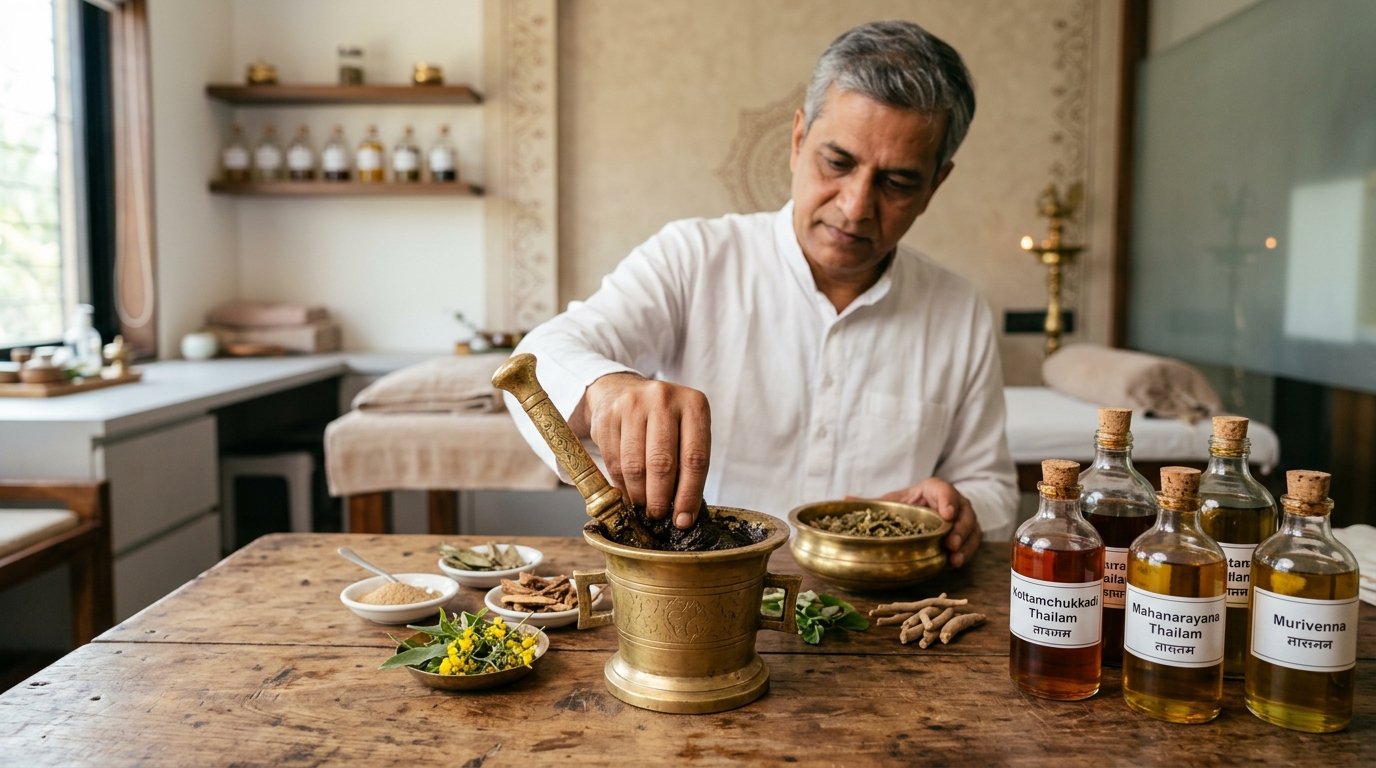
At R S Velumani Siddha Ayurvedha Hospital, our certified traditional Vaidyas deploy a multi-dimensional protocol:
Why Surgery, Steroids & Lifetime Medications are Avoided
Synthetic corticosteroid inhalers suppress localized mucosal immunity, predisposing patients to oral thrush, systemic bone demineralization, and alarming rebound flare-ups. Our 100% natural, plant-derived protocol treats both the gastrointestinal root and the pulmonary branches, expelling accumulated toxins naturally without hormonal suppression or chemical reliance.
Expected Recovery Timeline & Prognosis
- Week 1 - 2: Marked reduction in nighttime coughing fits, easier expectoration of trapped phlegm, and reduced reliance on emergency rescue inhalers. - Week 3 - 4: Restoration of restful nocturnal sleep, absence of audible wheezing, and improved stamina while climbing stairs. - Month 2 Onwards: Complete biological stabilization of the respiratory mucosal barrier with seasonal resistance against weather changes.
Common Symptoms Treated
Clinical IndicationsStructured 3-Phase Clinical Journey
Step-by-Step Hospital Protocol
Airway Decongestion & Spasm Relief
Intensive herbal steam inhalation, Adathodai decoctions, and warm chest Kizhi to liquefy adhered phlegm and ease bronchial smooth muscle spasms.
Srotas Cleansing & Agni Harmonization
Internal administration of Pippali Rasayana and digestive stimulants to eliminate Ama, unblock Pranavaha channels, and reduce rescue inhaler frequency.
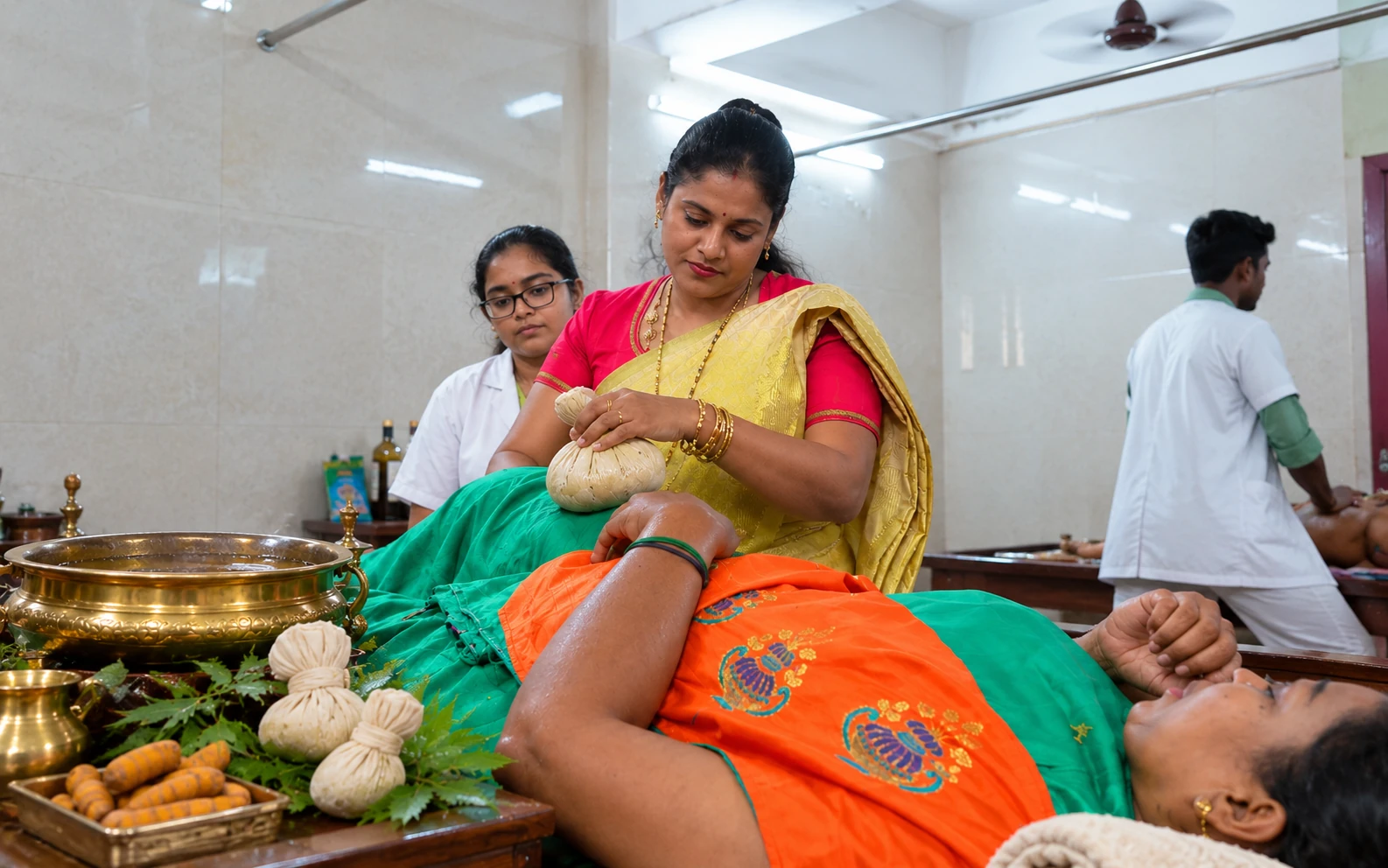
Immune Stabilization & Lung Rejuvenation
Long-term Agasthiyar Rasayana therapy and Varmam maintenance to build permanent mucosal resistance against environmental allergens.
Integrated Traditional Therapies
Hospital ProceduresAyurvedic & Siddha Dietary Guidelines (Pathya & Apathya)
Nutritional Medicine- •Warm boiled water with a pinch of dry ginger (Sukku) or tulsi leaves
- •Light vegetable soups prepared with black pepper, garlic, and cumin
- •Steamed brown rice or old barley khichdi with ghee in moderation
- •Warm herbal teas with honey, cinnamon, and holy basil
- •Cooked horse gram (Kollu) rasam to liquefy deep respiratory kapha
- •Refrigerated foods, cold carbonated drinks, and ice creams
- •Heavy dairy products at dinner, especially chilled milk, curd, and cheese
- •Mucus-triggering fruits like bananas, custard apples, and watermelons
- •Deep-fried, oily snacks and commercial bakery products with trans fats
- •Direct exposure to early morning cold dew and artificial air conditioning
Hospital Infrastructure & Clinical Facility
Vadapalani, Chennai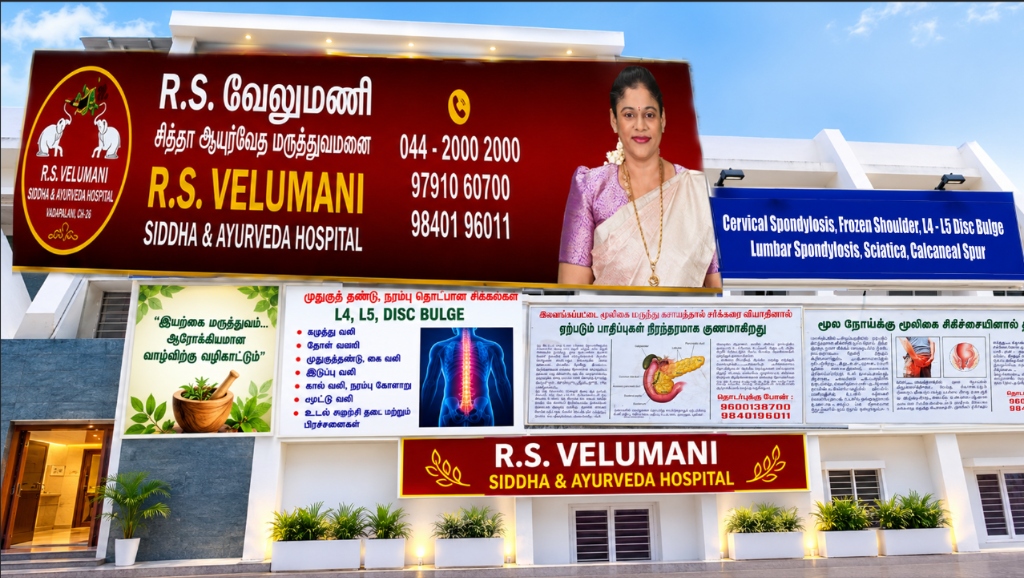
R S Velumani Siddha Ayurvedha Hospital is a fully equipped traditional hospital located in Vadapalani, Chennai. We provide daily outpatient consultations (OPD) and dedicated clinical therapy rooms for non-surgical healing.
Frequently Asked Questions
Doctor Answers
Book Doctor OPD Session
Direct clinical evaluation at R S Velumani Siddha Ayurvedha Hospital, Vadapalani, Chennai.
First Floor, Puttur Kattu Complex, 5, 100 Feet Road, Vadapalani, Chennai – 600026.