Cervical Spondylosis, Radiating Arm Pain & Neck Stiffness
Traditional Greeva Vasti, warm medicated herbal leaf Kizhi, and Siddha Varmam nerve decompression to eliminate neck stiffness, arm numbness, and disc bulges.
Clinical Understanding & Cervical Spine Pathology
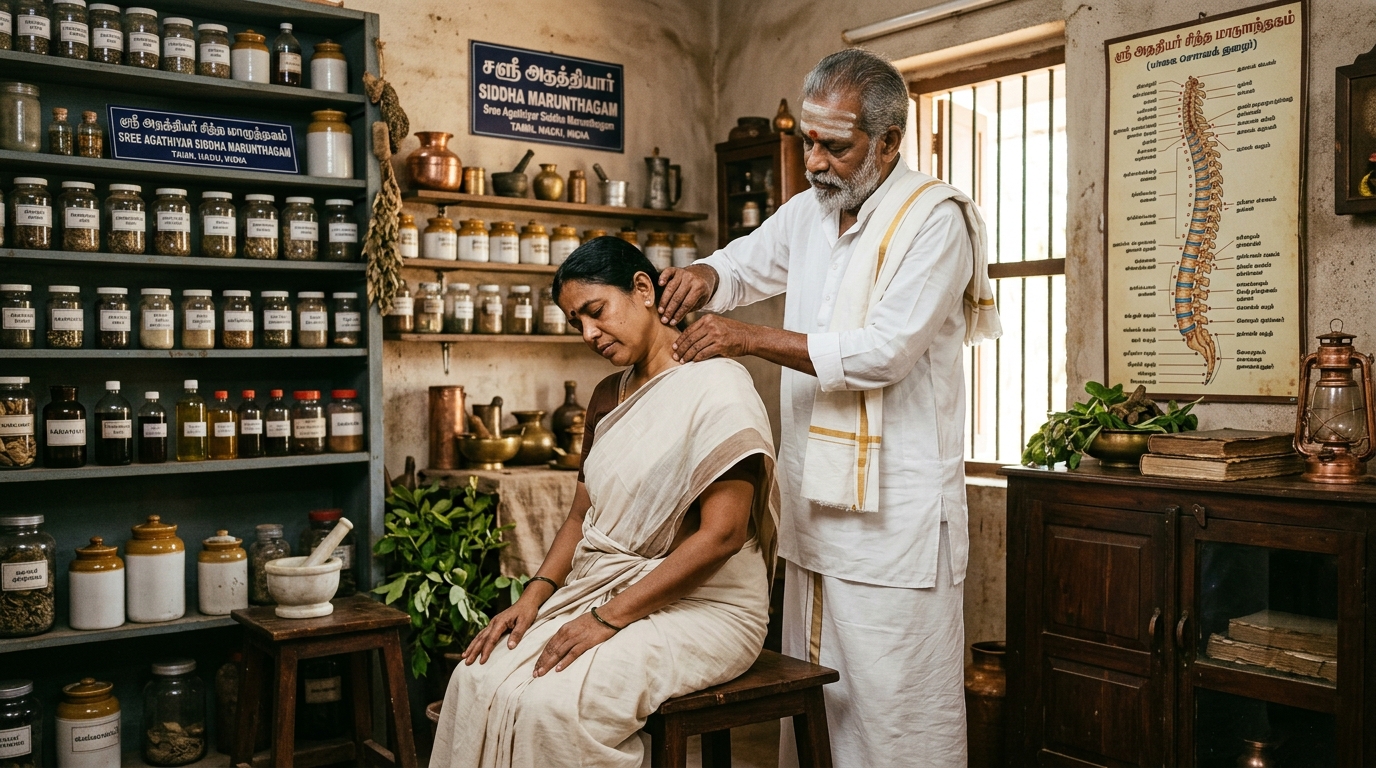
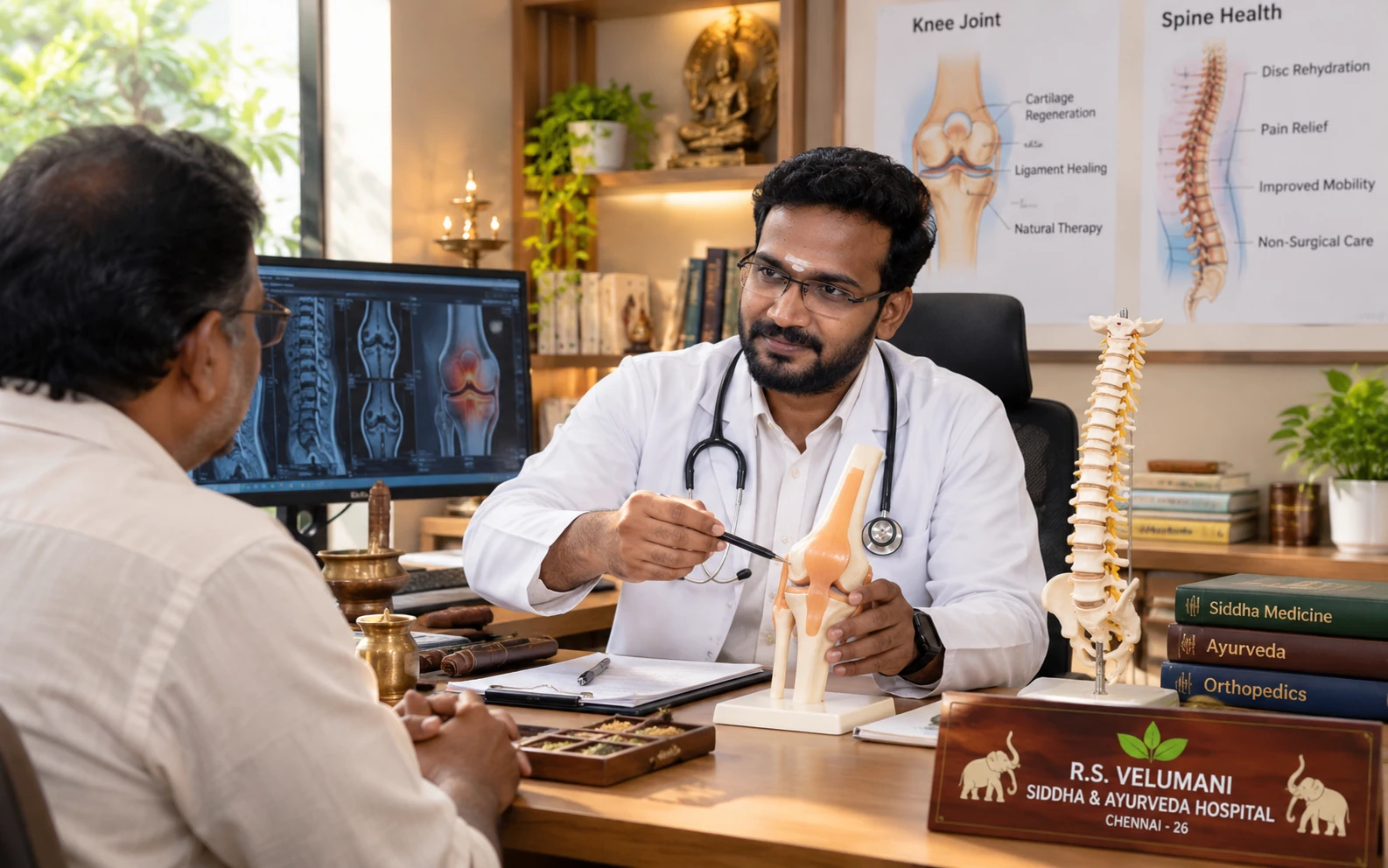
Cervical spondylosis is an age-accelerated degenerative disorder of the cervical spine involving the intervertebral discs (predominantly C4-C5, C5-C6, and C6-C7) and surrounding vertebral bodies. With repetitive postural stress (such as prolonged downward neck bending over smartphones—'tech neck'—or long computer desk hours), the gelatinous nucleus pulposus undergoes progressive desiccation and dehydration. The surrounding fibrocartilaginous annulus fibrosus cracks and bulges outward (cervical disc herniation). Concurrently, reactive osteophytes (bone spurs) form along vertebral margins and facet joints, narrowing the neural foramina and spinal canal (cervical radiculopathy and myelopathy). This pinches exiting cervical spinal nerves, triggering severe occipital neck stiffness, muscle spasms in the trapezius, shooting electric shock-like pain radiating down the arm to the fingers, sensory numbness, and grip weakness.
Root Cause in Siddha & Ayurveda (Manyastambha, Greeva Graham & Vatha Dushti)
In Ayurveda, cervical spondylosis is diagnosed as Manyastambha (stiffness of the neck tendons) and Greeva Graham, caused by fiercely aggravated Vatha dosha localized in the Asthi-Majja Dhatu (bone and marrow tissue). Vatha's dry and rough properties (Ruksha, Khara) dry up the lubricating synovial fluid of the cervical facet joints (Sleshaka Kapha) and dehydrate the intervertebral discs. When combined with modern poor posture, Vayu becomes obstructed, causing severe vascular and muscular constriction. Conventional neurosurgeons frequently recommend cervical discectomy and spinal fusion (ACDF); however, surgery carries grave risks of spinal cord damage, vocal cord paralysis, and adjacent segment degeneration. Our traditional non-surgical therapy rehydrates the discs and decompresses the nerves naturally.
Clinical Stages & Progressive Warning Signs
R S Velumani Siddha Ayurvedha Hospital Complete Cervical Protocol
Why Cervical Spinal Surgery (ACDF) is Avoidable
Cervical spine surgery carries grave risks of spinal cord contusion, permanent neck immobility, and adjacent disc breakdown. Over 95% of cervical disc herniation and radiculopathy cases are resolved completely through our regenerative Ayurvedic protocol without a single surgical cut.
Expected Recovery Timeline & Prognosis
- Days 1 - 7: Substantial reduction in acute neck muscle spasms, freedom to turn the head sideways, and easing of shooting arm pain. - Days 8 - 21: Complete cessation of radiating pain down the arm, disappearance of finger tingling and numbness, and restored hand grip power. - Days 22 - 35: Full structural rehydration of the cervical discs, healed nerve roots, and lasting freedom from painkiller collars.
Common Symptoms Treated
Clinical IndicationsStructured 3-Phase Clinical Journey
Step-by-Step Hospital Protocol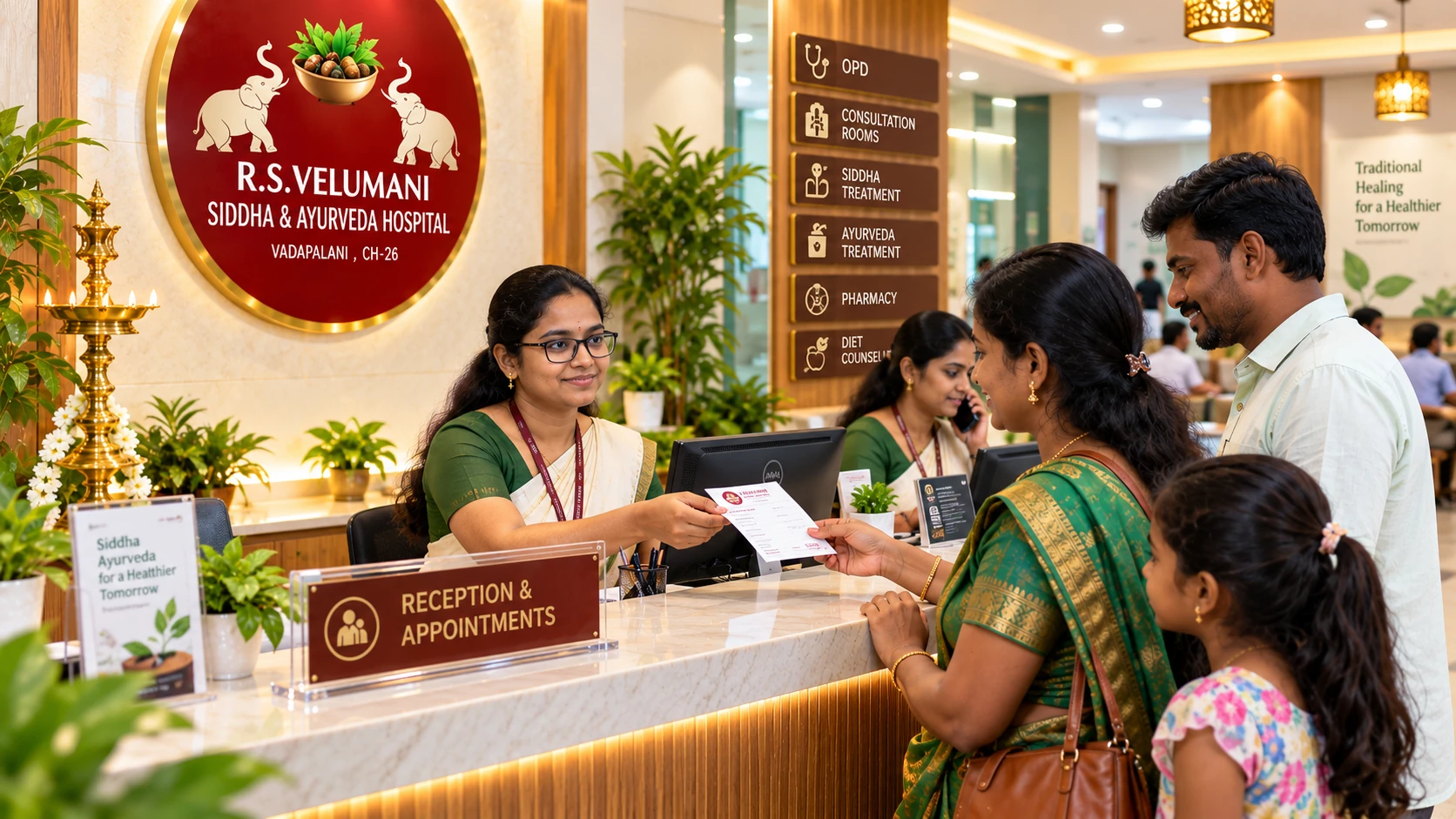
Spasm Relief & Nerve Decompression
Daily Elakizhi herbal fomentation and Maharasnadi Kashayam to melt tight trapezius spasms and halt shooting arm pain.
Greeva Vasti & Disc Rehydration
Intensive Greeva Vasti warm medicated oil pooling to deeply saturate cervical discs, heal inflamed nerve roots, and eliminate numbness.
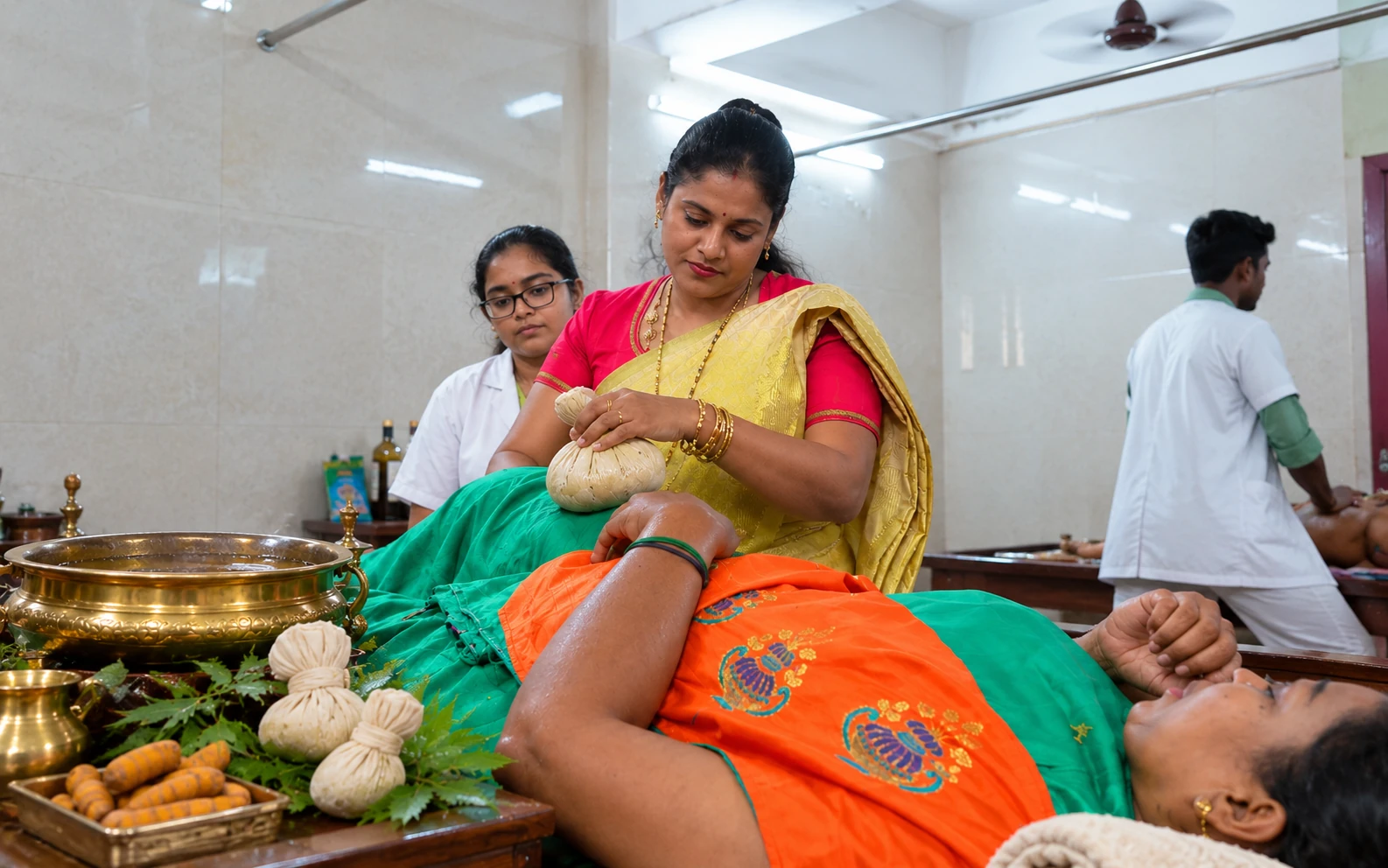
Varmam Alignment & Postural Stability
Siddha Varmam cervical realignment and Lakshadi Guggulu to lock in spinal curvature, restore grip strength, and ensure permanent recovery.
Integrated Traditional Therapies
Hospital Procedures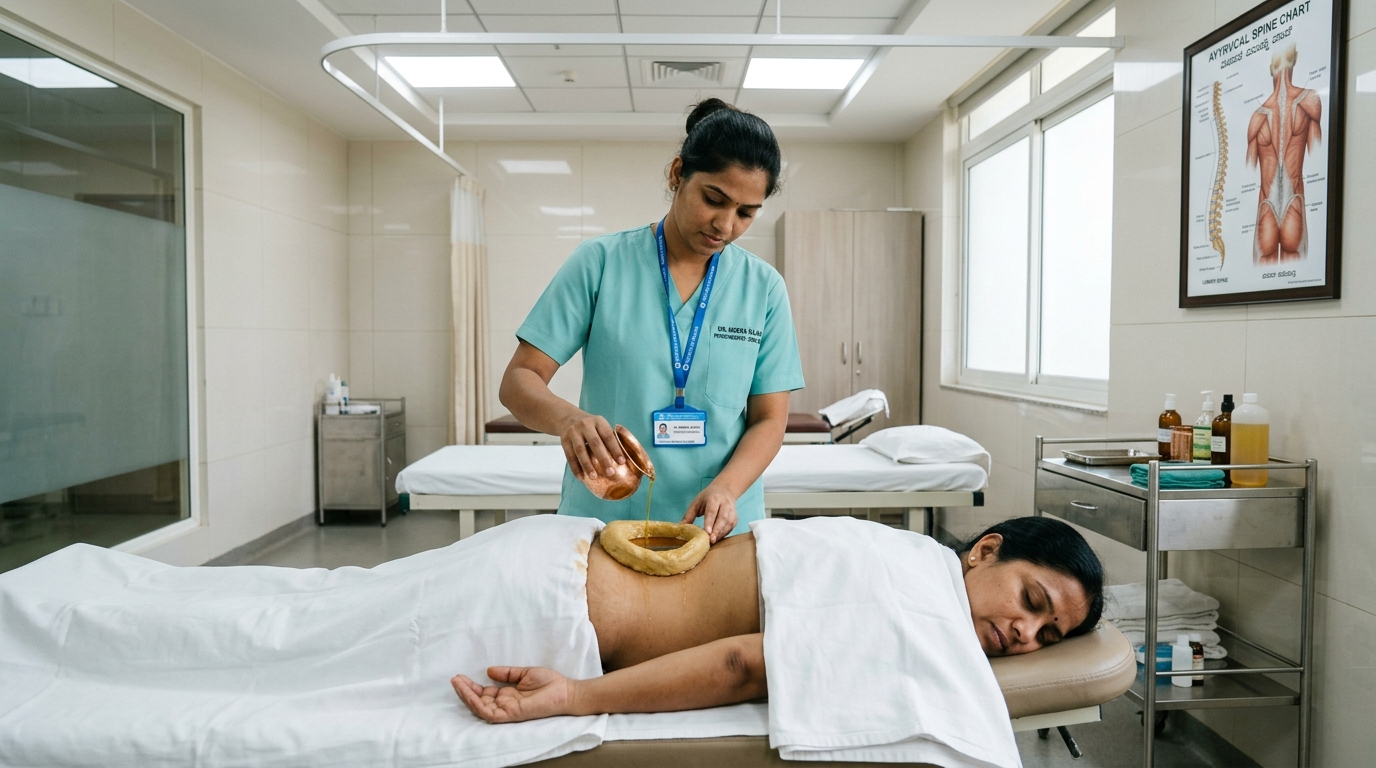
Ayurvedic & Siddha Dietary Guidelines (Pathya & Apathya)
Nutritional Medicine- •Warm cow's milk boiled with a pinch of turmeric, black pepper, and pure cow's ghee
- •Pirandai (Cissus quadrangularis) thogayal or chutney to strengthen spinal bone matrix
- •Sesame seeds (Til), drumstick (Moringa) leaves, and small garlic cloves
- •Cooked ridge gourd, snake gourd, ash gourd, and steamed brown rice
- •Warm boiled water consumed throughout the day to keep intervertebral discs hydrated
- •Sour and acidic foods like tamarind, vinegar, excess tomato, and fermented foods
- •Cold refrigerated foods, icy water, and cold wind drafts directly over the neck
- •Deep-fried oily snacks, bakery items, and heavy gas-forming pulses like black gram
- •Using excessively thick or high pillows while sleeping (use a slim orthopedic contour pillow)
- •Prolonged continuous downward neck bending over smartphones or laptop screens without breaks
Hospital Infrastructure & Clinical Facility
Vadapalani, Chennai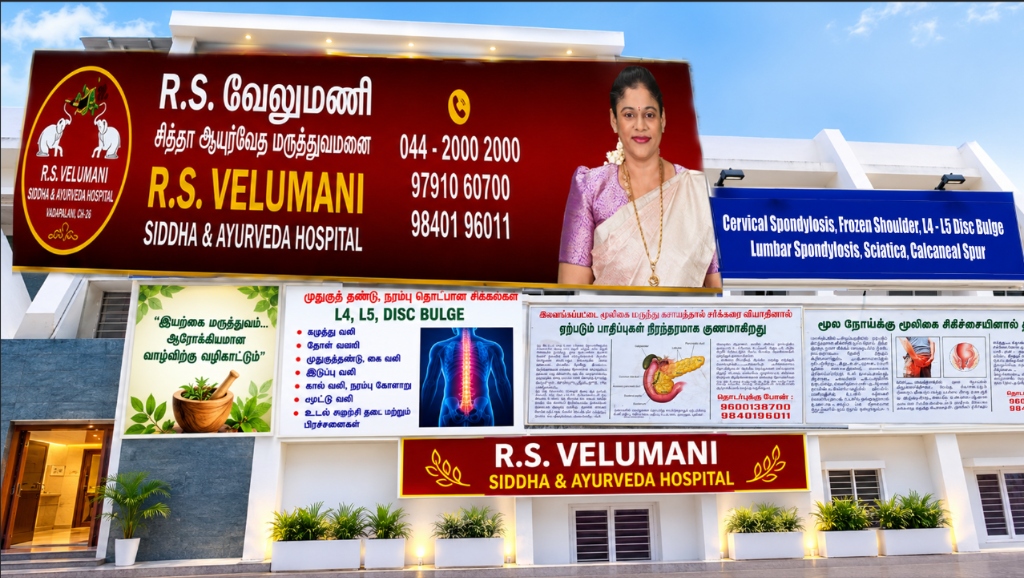
R S Velumani Siddha Ayurvedha Hospital is a fully equipped traditional hospital located in Vadapalani, Chennai. We provide daily outpatient consultations (OPD) and dedicated clinical therapy rooms for non-surgical healing.
Frequently Asked Questions
Doctor Answers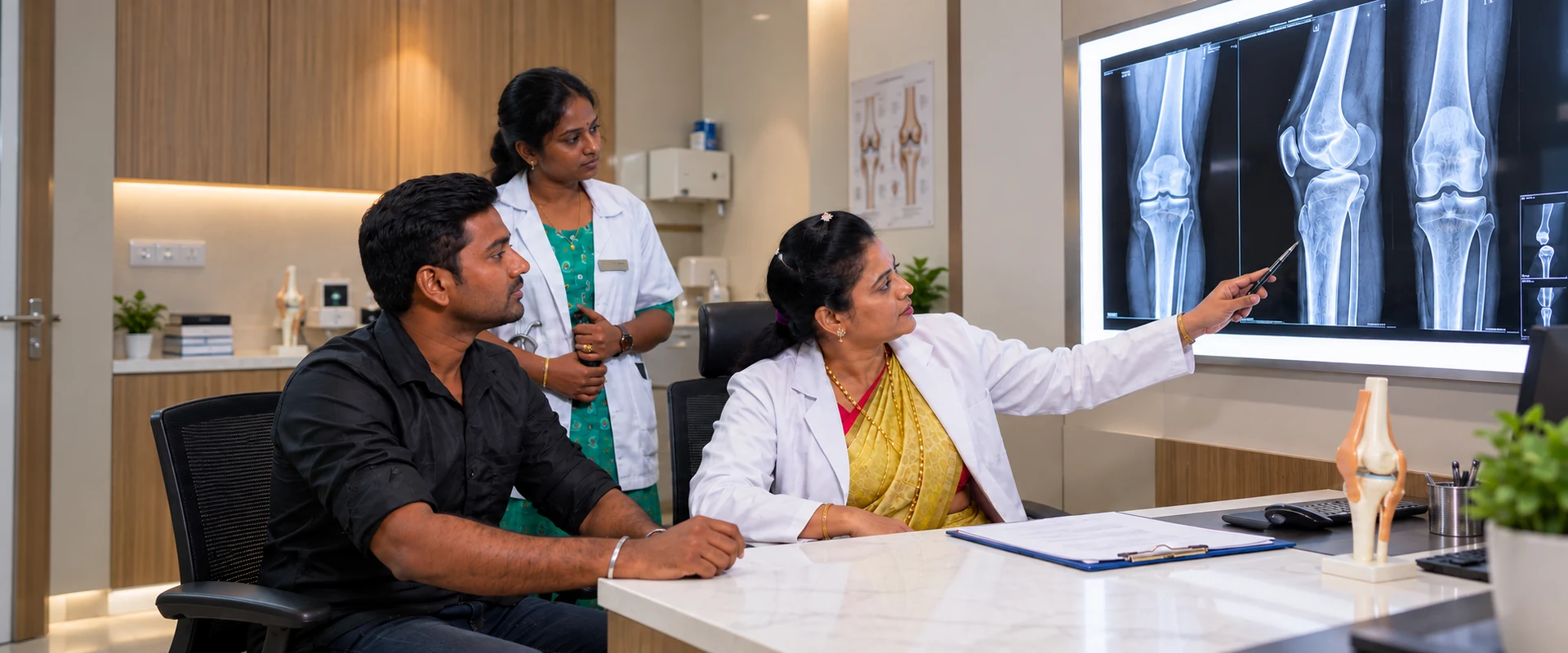
Book Doctor OPD Session
Direct clinical evaluation at R S Velumani Siddha Ayurvedha Hospital, Vadapalani, Chennai.
First Floor, Puttur Kattu Complex, 5, 100 Feet Road, Vadapalani, Chennai – 600026.