Calcaneal Heel Spur & Plantar Fasciitis Pain Care
Instant relief from piercing morning heel pain, traditional Agnikarma therapy, medicated Murivenna herbal wrapping, and Padabhyanga to dissolve calcaneal spur inflammation.
Clinical Understanding & Calcaneal Pathology
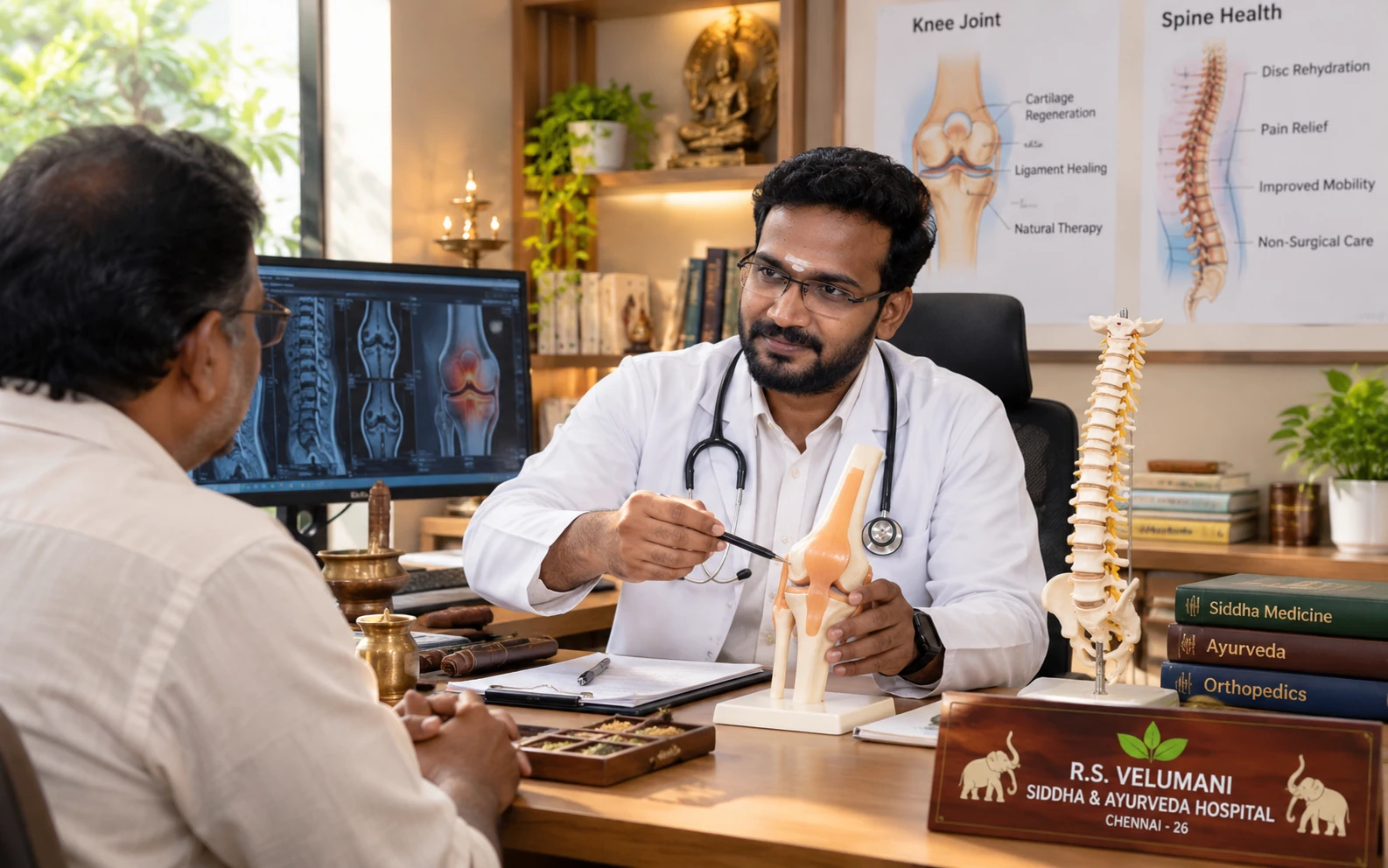
Calcaneal spur (enthesophyte) and plantar fasciitis represent interconnected chronic degenerative pathologies of the inferior calcaneal tuberosity and the plantar aponeurosis. The plantar fascia is a thick, fibrous band of connective tissue spanning the longitudinal arch from the calcaneus to the proximal phalanges. Repetitive micro-traction (due to prolonged standing on hard floors, obesity, flat feet, or improper footwear) induces chronic micro-tears at the calcaneal enthesis. In response to chronic periosteal tension, reactive osteoblasts deposit calcium, forming a pointed, hook-like bony spur protruding forward from the heel bone. Clinically, patients experience excruciating, sharp, stabbing pain under the heel upon taking their first steps out of bed in the morning (first-step pain), forcing them to limp or walk on tiptoes.
Root Cause in Siddha & Ayurveda (Vatha Kantaka & Padadhaha)
In Ayurveda and Siddha science, calcaneal heel pain is diagnosed as Vatha Kantaka (literally 'a thorn in the heel') and Kudhi Vatham. It is considered an aggravated Vatha dosha disorder localized in the Asthi-Snayu junctions of the foot (Pada). Vatha provokes localized dryness, micro-tearing, and inflammation of the plantar fascia, while vitiated Kapha binds excess calcium into a painful spur (Asthi Vriddhi). Conventional medicine routinely prescribes rigid orthotic shoe cups, anti-inflammatory pills, or painful corticosteroid injections directly into the heel pad (which risks permanent plantar fat-pad atrophy and plantar fascia rupture). Our traditional protocol resolves the inflammation and dissolves the traction stress naturally.
Clinical Stages & Progressive Warning Signs
R S Velumani Siddha Ayurvedha Hospital Complete Calcaneal Spur Protocol
Why Heel Steroid Injections & Spur Surgery are Avoidable
Steroid injections directly into the heel pad thin and destroy the natural fatty shock-absorber tissue of your foot, causing permanent bone bruising. Calcaneal spur resection surgery carries risks of nerve entrapment and longitudinal arch collapse. Our 100% natural protocol cures the inflammation and eliminates heel pain permanently.
Expected Recovery Timeline & Prognosis
- Days 1 - 3: Instant 70% to 80% reduction in excruciating morning first-step heel pain following Agnikarma and herbal foot soaks. - Days 4 - 14: Complete disappearance of the 'stone-bruise' sensation; ability to step out of bed and walk barefoot painlessly. - Days 15 - 28: Healed plantar fascia, relaxed Achilles tendon, and permanent freedom from heel pain.
Common Symptoms Treated
Clinical IndicationsStructured 3-Phase Clinical Journey
Step-by-Step Hospital Protocol
Agnikarma & Morning Pain Extinction
Targeted Agnikarma micro-thermal therapy and warm Dashamoola foot soaks to instantly extinguish morning first-step pain.
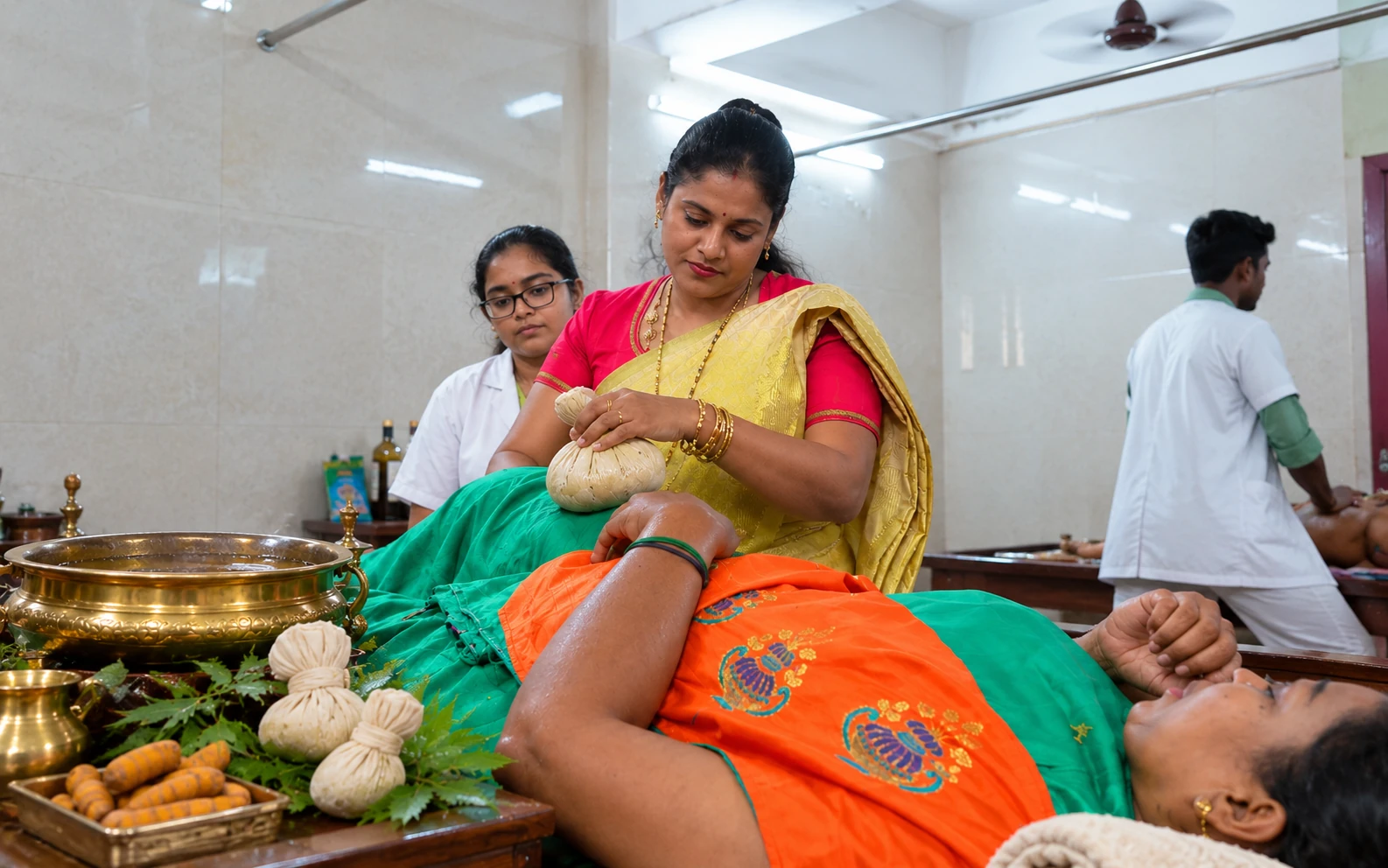
Plantar Fascia Healing & Murivenna Wrapping
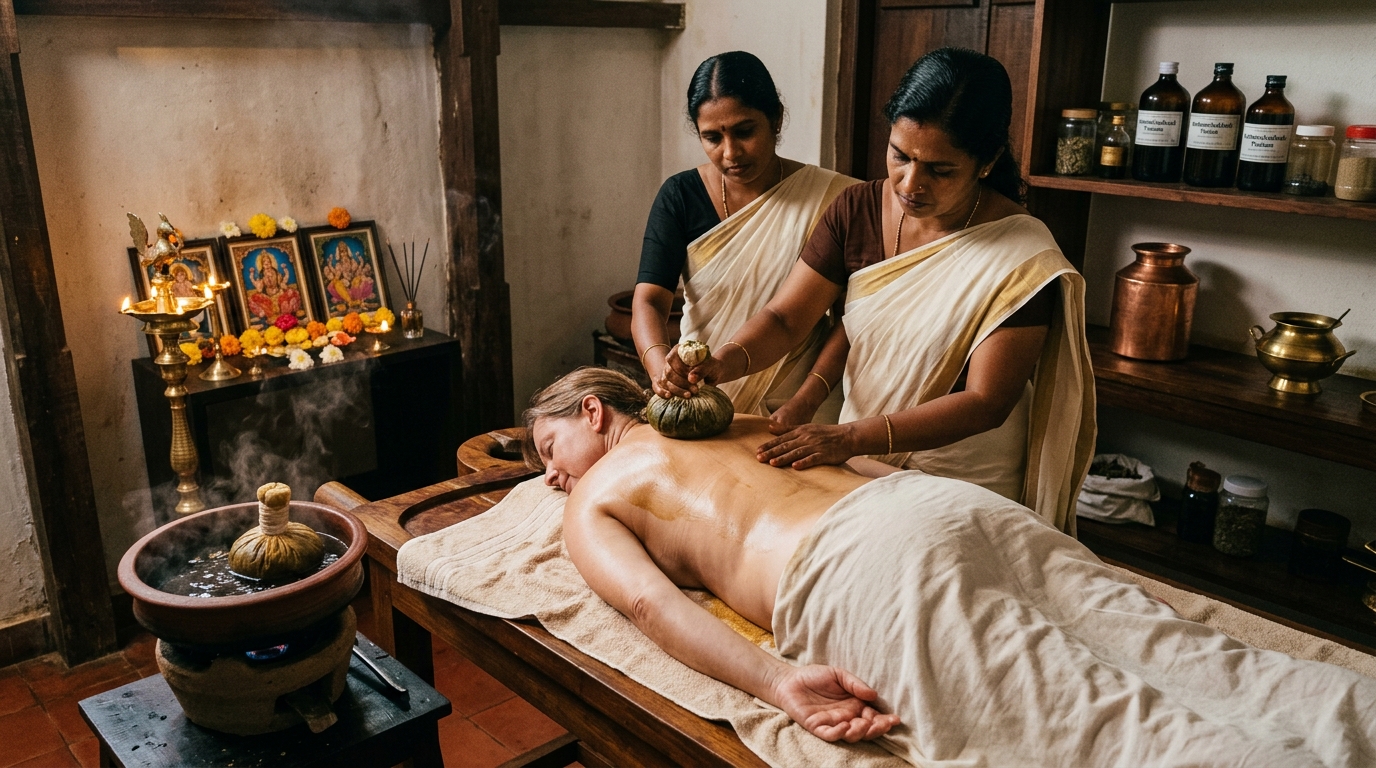
Murivenna and Pinda Taila supportive wraps to heal micro-tears in the plantar fascia and eliminate deep stone-bruise pain.
Achilles Flexibility & Recurrence Prevention
Kaishore Guggulu and Achilles tendon stretching to permanently balance foot mechanics and ensure painless walking for life.
Integrated Traditional Therapies
Hospital Procedures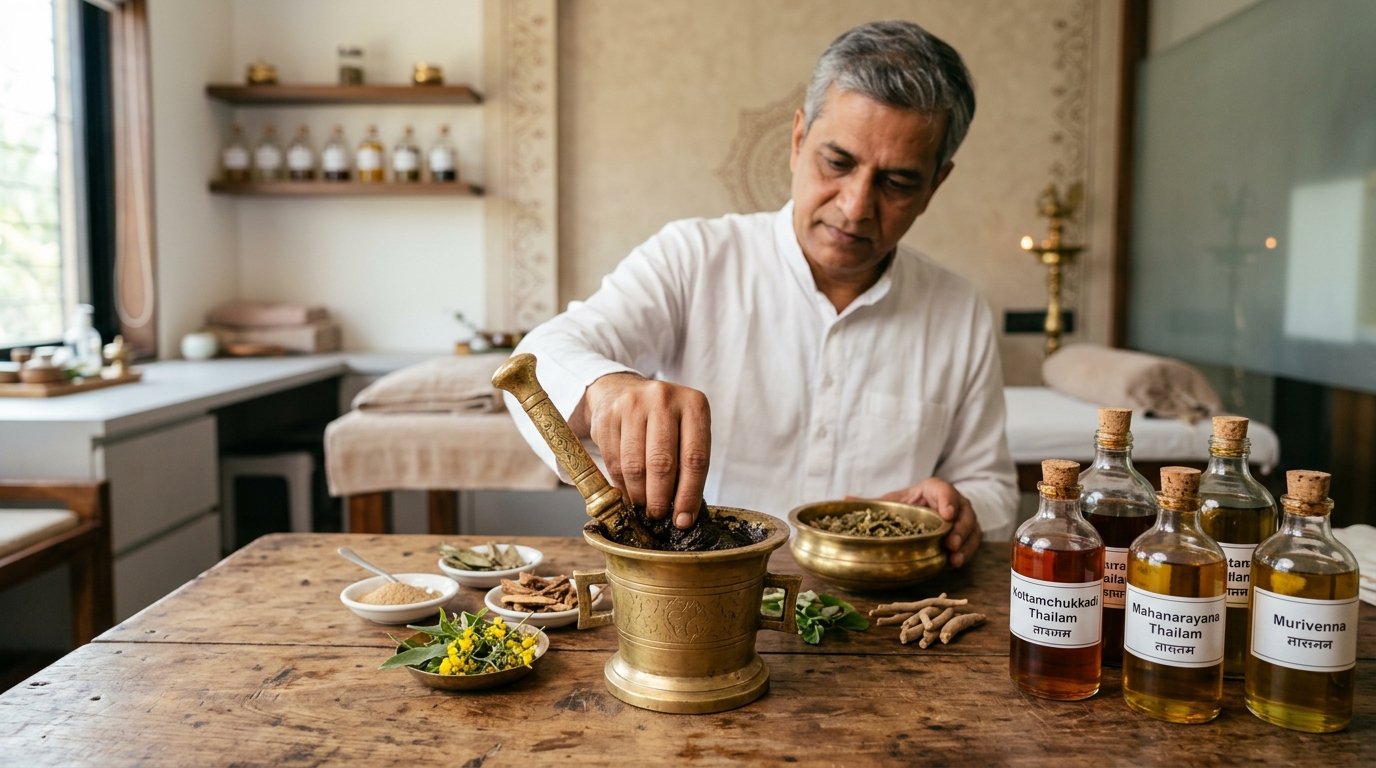
Ayurvedic & Siddha Dietary Guidelines (Pathya & Apathya)
Nutritional Medicine- •Warm cooked vegetables like bottle gourd, ridge gourd, ash gourd, and drumstick
- •Warm cow's milk boiled with a pinch of turmeric, black pepper, and dry ginger
- •Fresh amla (Indian gooseberry) juice to support collagen tissue repair
- •Soaked black raisins, walnuts, and dates rich in natural tissue-healing minerals
- •Ample lukewarm water consumed throughout the day to keep connective tissues hydrated
- •Walking completely barefoot on hard, cold marble or ceramic tile floors
- •Sour and acidic foods like tamarind, vinegar, excess tomato, and fermented foods
- •Cold refrigerated foods, icy water, and direct exposure to cold air conditioning drafts
- •Wearing completely flat, unsupportive footwear or thin-soled hard slippers
- •Deep-fried oily snacks and commercial bakery products that trigger inflammatory swelling
Hospital Infrastructure & Clinical Facility
Vadapalani, Chennai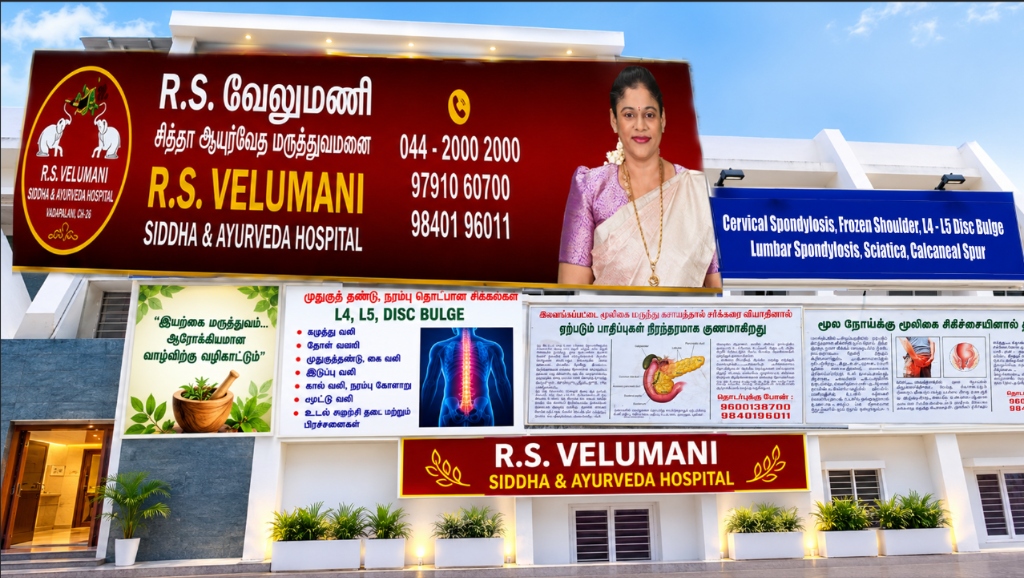
R S Velumani Siddha Ayurvedha Hospital is a fully equipped traditional hospital located in Vadapalani, Chennai. We provide daily outpatient consultations (OPD) and dedicated clinical therapy rooms for non-surgical healing.
Frequently Asked Questions
Doctor AnswersRelated Clinical Research & Recovery Guides
View All Articles →
Book Doctor OPD Session
Direct clinical evaluation at R S Velumani Siddha Ayurvedha Hospital, Vadapalani, Chennai.
First Floor, Puttur Kattu Complex, 5, 100 Feet Road, Vadapalani, Chennai – 600026.