Sluggish Bowel Motility & Chronic Bowel Irregularity (Constipation Care)
Restoring natural gut peristalsis, eliminating toxic colonic stagnation (Ama), soothing gas and bloating with Triphala, Haritaki, and carminative digestive elixirs.
Clinical Understanding & Enteric Neuropathy Pathology
Chronic functional constipation and sluggish bowel motility are debilitating functional gastrointestinal disorders marked by infrequent bowel movements, colonic inertia, excessive bloating, and a distressing sensation of incomplete rectal evacuation. Under normal physiological conditions, coordinated myoelectric migrating motor complexes (MMCs) in the small intestine and high-amplitude propagating contractions (HAPCs) in the colon propel fecal waste toward the rectum. When enteric nervous system signaling is blunted—due to sedentary living, chronic emotional stress, dysbiosis, or dehydration—colonic transit time dramatically prolongs. Fermenting fecal sludge produces toxic methane and hydrogen sulfide gases, triggering chronic abdominal distension, burping, lethargy, and foul breath.
Root Cause in Siddha & Ayurveda (Pakvashayagata Vatha & Agnimandya)
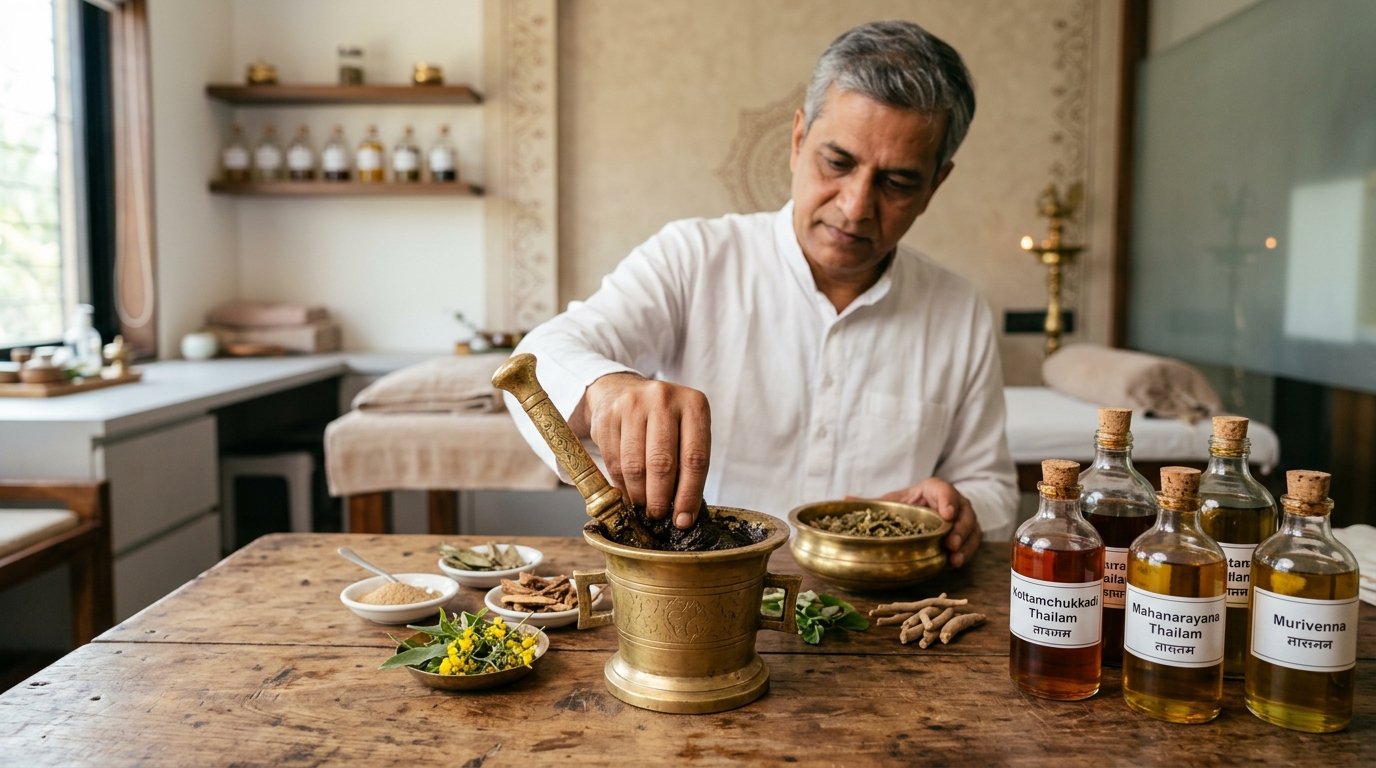
In Ayurveda and Siddha medicine, this functional bowel sluggishness is diagnosed as Pakvashayagata Vatha accompanied by Manda Agni (sluggish digestive fire). When Jatharagni is weak, undigested toxic metabolites (Ama) accumulate in the large intestine (Pakvashaya). This sticky Ama coats the mucosal microvilli and paralyzes the normal downward rhythmic propulsion of Apana Vayu. Over-the-counter stimulant laxatives (senna, bisacodyl, polyethylene glycol) force chemical irritation on the mucosal lining, causing progressive enteric nerve desensitization (cathartic colon). Our treatment restores natural microbial Agni and re-educates the bowel's spontaneous peristaltic rhythm naturally.
Clinical Stages & Progressive Warning Signs
R S Velumani Siddha Ayurvedha Hospital Complete Gut Motility Protocol
Why Commercial Laxatives Cause 'Lazy Bowel Syndrome'
Chemical laxatives artificially force bowel evacuation without strengthening the intestinal musculature. Over time, the bowel becomes lazy and non-responsive without increasing dosages. Our 100% natural botanical therapies rebuild natural intestinal tone and re-establish regular, effortless daily evacuation.
Expected Recovery Timeline & Prognosis
- Days 1 - 3: Rapid relief from uncomfortable abdominal gas distension, bloating, and painful cramps; successful first soft bowel motion. - Days 4 - 10: Establishment of a predictable, spontaneous morning urge to evacuate; disappearance of bad breath and feeling of rectal fullness. - Days 11 - 21: Completely restored natural enteric peristalsis, effortless daily bowel clearance, and freedom from all laxative powders.
Common Symptoms Treated
Clinical IndicationsStructured 3-Phase Clinical Journey
Step-by-Step Hospital Protocol
Gas Relief & Colonic Decongestion
Hingwashtak Churna and mild Haritaki formulations to clear trapped intestinal gas, relieve bloating, and soften retained stool.
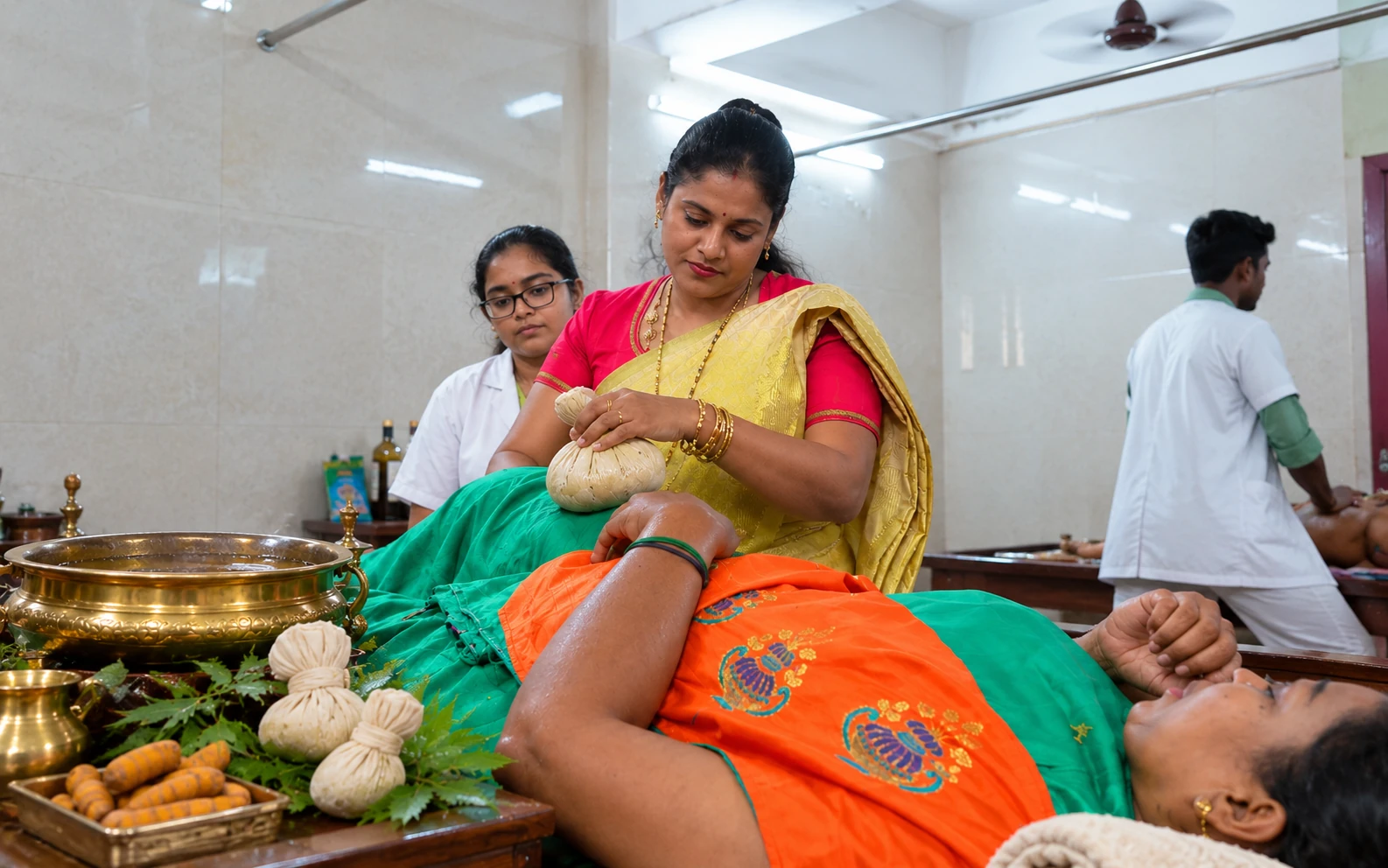
Peristaltic Re-education & Matra Basti
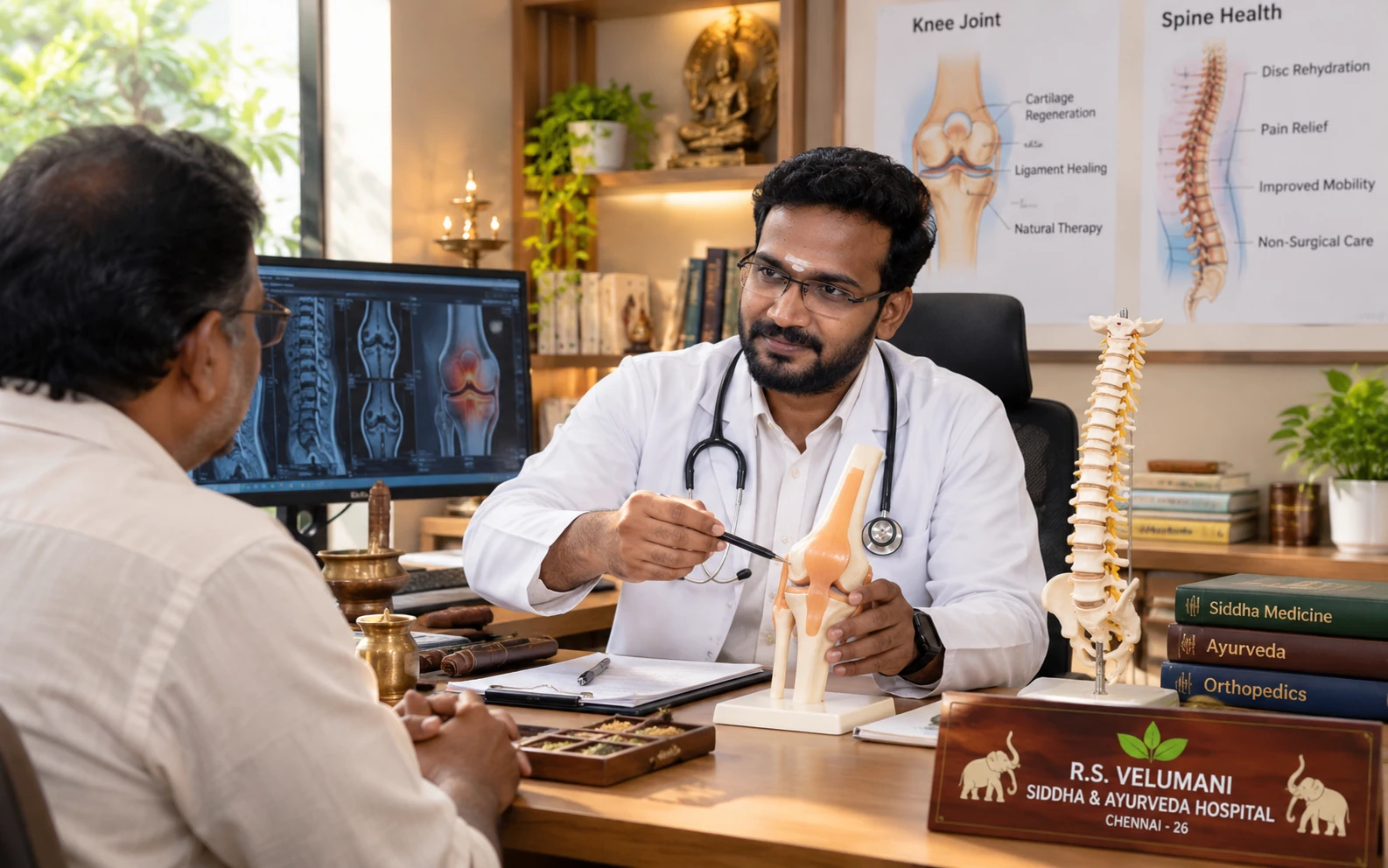
Matra Basti lubrication and Abhayarishtam to awaken the migrating motor complex and re-establish the natural morning urge.
Microbiome Balancing & Permanent Regularity
Dietary prebiotic stabilization and Chitrakadi tonics to maintain self-sustaining, effortless daily morning bowel movements.
Integrated Traditional Therapies
Hospital ProceduresAyurvedic & Siddha Dietary Guidelines (Pathya & Apathya)
Nutritional Medicine- •Warm water infused with roasted cumin seeds and a pinch of dry ginger consumed through the day
- •Fresh ripe papaya, stewed sweet apples, and soaked black raisins (Munakka)
- •Warm cooked vegetables like bottle gourd, ridge gourd, ash gourd, and elephant foot yam
- •Fresh homemade buttermilk seasoned with roasted cumin, curry leaves, and a pinch of rock salt
- •A teaspoon of pure cow's ghee mixed into warm cooked red rice or khichdi
- •Refined white flour (maida), white bread, dry biscuits, and processed bakery crackers
- •Astringent, dry, and cold foods like raw salads, cold chips, and dry roasted legumes
- •Carbonated sodas, heavy caffeinated coffee, and iced refrigerated beverages
- •Suppression of the natural urge to evacuate stool or pass gas (Vegadharana)
- •Irregular meal timings, skipping breakfast, and eating heavy dinners late at night
Hospital Infrastructure & Clinical Facility
Vadapalani, Chennai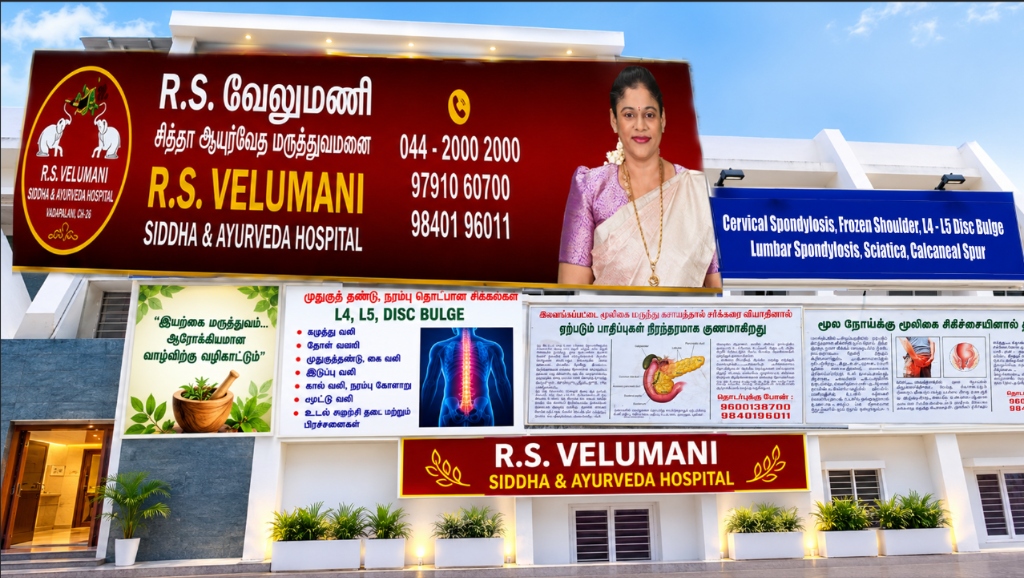
R S Velumani Siddha Ayurvedha Hospital is a fully equipped traditional hospital located in Vadapalani, Chennai. We provide daily outpatient consultations (OPD) and dedicated clinical therapy rooms for non-surgical healing.
Frequently Asked Questions
Doctor Answers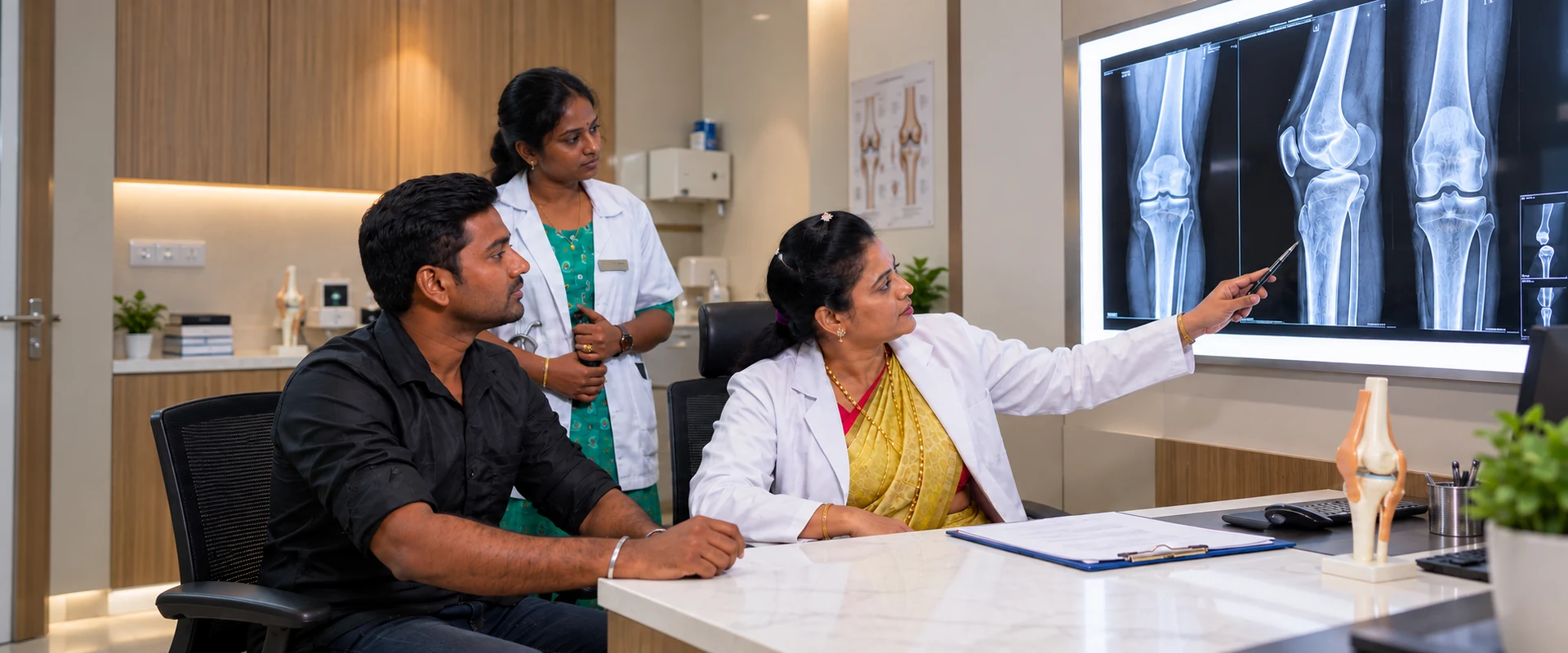
Book Doctor OPD Session
Direct clinical evaluation at R S Velumani Siddha Ayurvedha Hospital, Vadapalani, Chennai.
First Floor, Puttur Kattu Complex, 5, 100 Feet Road, Vadapalani, Chennai – 600026.