Type 2 Diabetes & Blood Sugar Normalization Care
Natural pancreatic beta-cell stimulation, Sirukurinjan (Gymnema) and Vijaysar decoctions, and Medo-Dhatu detox to reverse insulin resistance and safeguard vital organs.
Clinical Understanding & Metabolic Pathology
Type 2 Diabetes Mellitus is a multifaceted metabolic syndrome characterized by progressive insulin resistance, pancreatic beta-cell dysfunction, and persistent hyperglycemia. In early stages, peripheral tissues (skeletal muscle, adipocytes, and liver) fail to respond efficiently to circulating insulin. The pancreas compensates by producing supra-normal amounts of insulin (hyperinsulinemia) until beta-cells become exhausted. Uncontrolled blood sugar levels lead to microvascular and macrovascular devastation, damaging renal glomeruli (diabetic nephropathy), retinal microvessels (retinopathy), and peripheral nerves (neuropathy).
Root Cause in Siddha & Ayurveda (Prameha & Madhumeha)
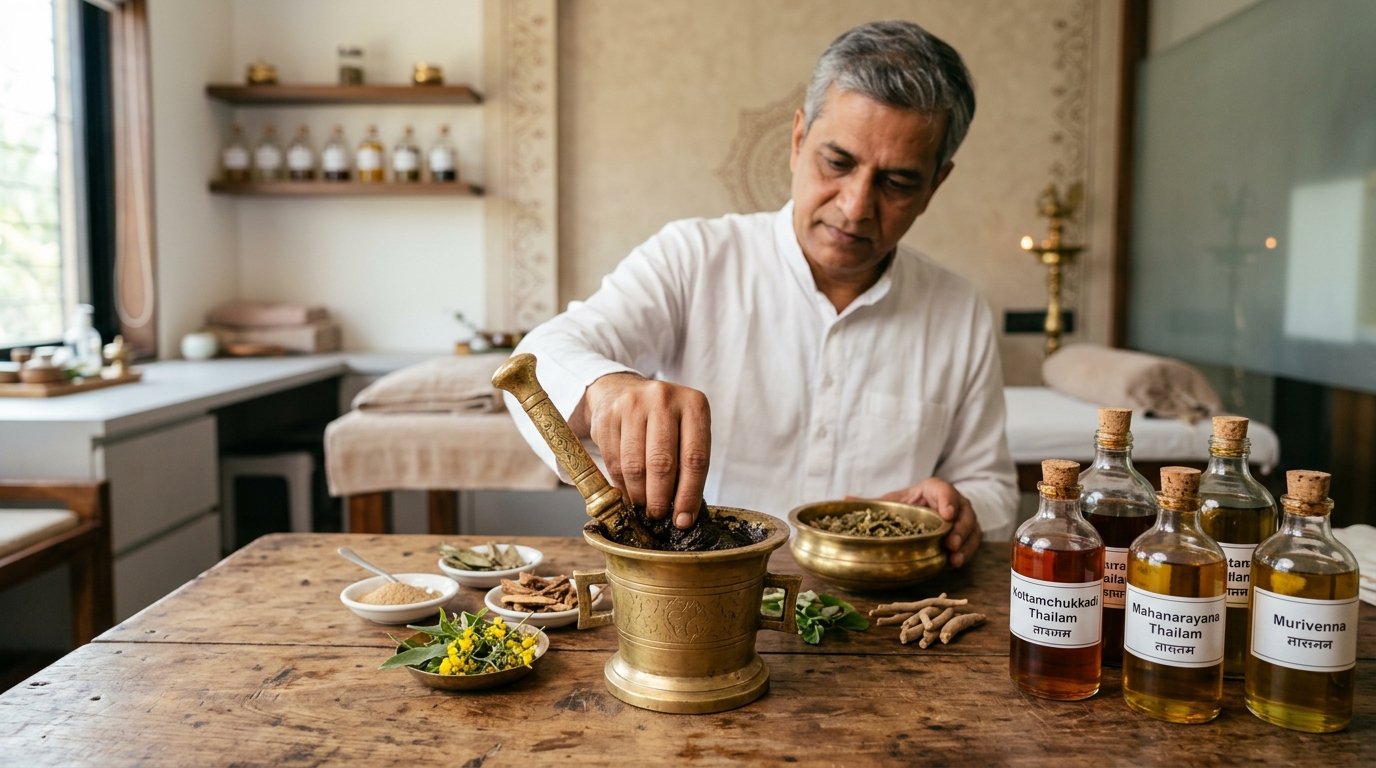
In traditional Siddha and Ayurveda, diabetes is comprehensively categorized under Prameha, culminating in Madhumeha (sweet urine disease). It is primarily a disorder of Medo Dhatu (adipose tissue metabolism) initiated by aggravated Kapha dosha and impaired Jatharagni (digestive fire). Sedentary living, excessive consumption of polished refined grains, sweetened dairy, and daytime sleep lead to toxic metabolic sludge (Ama) that obstructs cellular channels (Srotas), preventing glucose uptake. Modern oral hypoglycemic drugs force tired beta-cells to secrete more insulin or chemically dump sugar through urine, failing to correct the underlying cellular insulin insensitivity.
Clinical Stages & Progressive Warning Signs
R S Velumani Siddha Ayurvedha Hospital Integrated Diabetes Protocol
Why Lifelong Drug Escalation is Dangerous
Standard chemical treatments often begin with one pill, escalating over years to multi-drug regimens and eventual insulin injections as beta-cell burnout progresses. Our holistic botanical therapy restores the body's innate glucose homeostasis, enabling many patients to safely lower and often step down pharmaceutical reliance.
Expected Recovery Timeline & Prognosis
- Days 1 - 14: Stabilization of fasting and post-prandial blood glucose spikes, significant reduction in nocturnal urination frequency, and renewed physical vitality. - Days 15 - 45: Measurable reduction in HbA1c levels, relief from tingling foot numbness, and gradual tapering of synthetic anti-diabetic tablets under physician review. - Month 2 - 3: Restored metabolic flexibility, healthy lipid profile, sustained energy, and comprehensive multi-organ preservation.
Common Symptoms Treated
Clinical IndicationsStructured 3-Phase Clinical Journey
Step-by-Step Hospital Protocol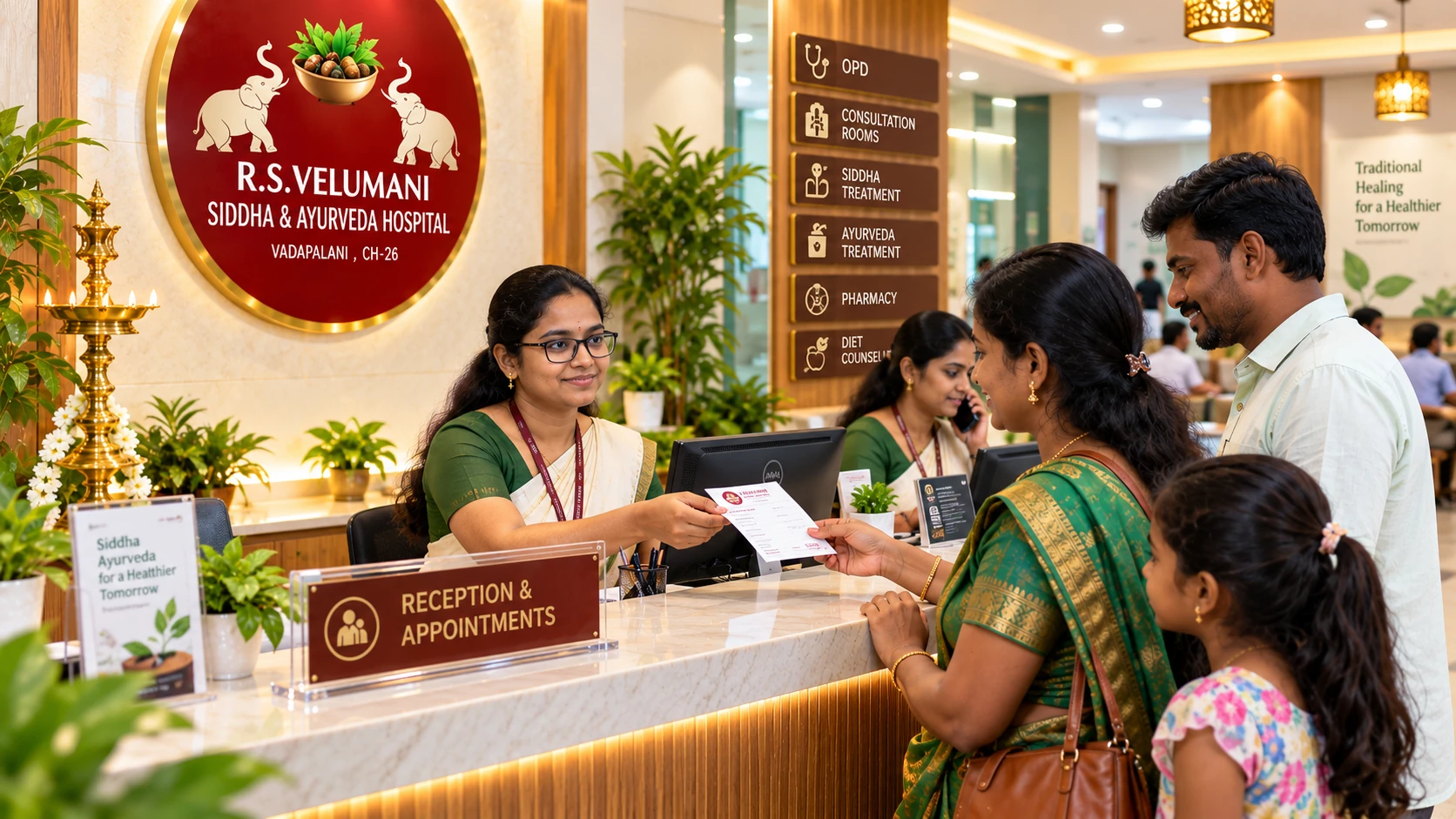
Glycemic Stabilization & Metabolic Detox
Immediate administration of Sirukurinjan-Vijaysar decoctions to curb post-meal glucose spikes and clear lymphatic Ama.

Insulin Sensitivity & Beta-Cell Rejuvenation
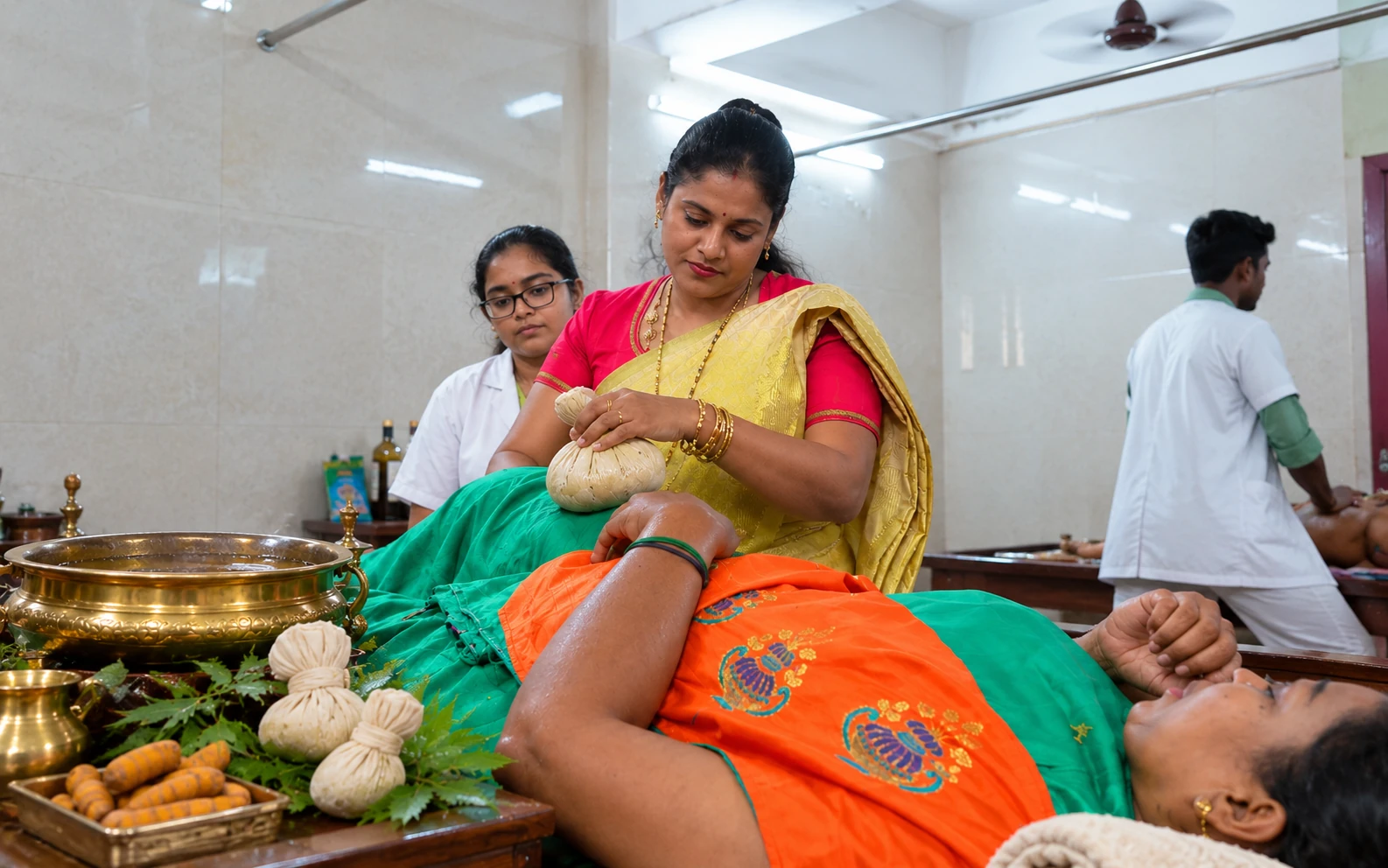
Udvartanam body therapies and Medo-Dhatu cleansing herbs to eliminate visceral cellular fat and restore peripheral insulin receptor uptake.
Microvascular Protection & Long-Term Maintenance
Nisha-Amalaki and Rasayana herbs to shield renal glomeruli, retinal nerves, and peripheral neurons from long-term diabetic damage.
Integrated Traditional Therapies
Hospital ProceduresAyurvedic & Siddha Dietary Guidelines (Pathya & Apathya)
Nutritional Medicine- •Unpolished millets (foxtail, kodo, barnyard) and whole barley in place of white rice
- •Bitter gourd, fenugreek greens (methi), ivy gourd (kovakkai), and drumstick leaves
- •Fresh cinnamon and fenugreek seed water consumed first thing every morning
- •Sprouted green gram (moong) and roasted Bengal gram with cumin
- •Amla (Indian gooseberry) juice blended with fresh raw turmeric root
- •White polished rice, refined wheat flour (maida), and commercial bakery breads
- •Refined white sugar, corn syrups, sweet sodas, and packaged artificial juices
- •High-glycemic tropical fruits such as ripe mangoes, sapota, grapes, and jackfruit
- •Deep-fried savory snacks, trans-fat street foods, and excessive potato consumption
- •Daytime sleeping (Divasvapna) which severely aggravates Kapha and insulin resistance
Hospital Infrastructure & Clinical Facility
Vadapalani, Chennai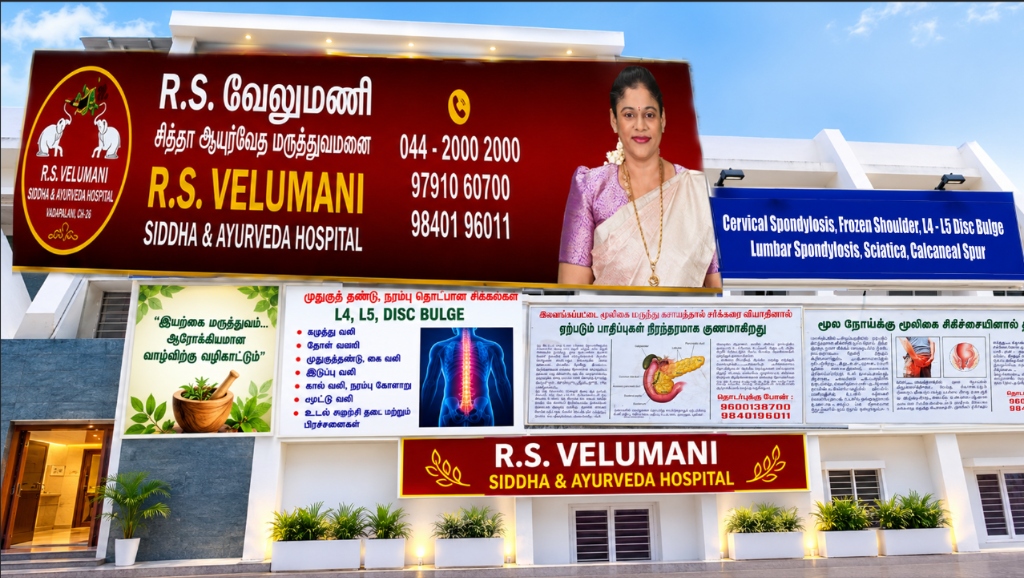
R S Velumani Siddha Ayurvedha Hospital is a fully equipped traditional hospital located in Vadapalani, Chennai. We provide daily outpatient consultations (OPD) and dedicated clinical therapy rooms for non-surgical healing.
Frequently Asked Questions
Doctor Answers
Book Doctor OPD Session
Direct clinical evaluation at R S Velumani Siddha Ayurvedha Hospital, Vadapalani, Chennai.
First Floor, Puttur Kattu Complex, 5, 100 Feet Road, Vadapalani, Chennai – 600026.