Dyslipidemia & High Cholesterol Herbal Management
Clearing toxic arterial plaque (Ama), lowering LDL and triglycerides, raising protective HDL, and revitalizing cardiovascular circulation with Arjuna and Guggulu.
Clinical Understanding & Cardiovascular Pathology
Dyslipidemia is an atherogenic metabolic disorder characterized by elevated serum low-density lipoprotein cholesterol (LDL-C), elevated total cholesterol, high serum triglycerides, and depressed high-density lipoprotein cholesterol (HDL-C). Circulating small dense LDL particles penetrate the damaged arterial endothelium, where they undergo oxidative modification. Macrophages ingest oxidized LDL, transforming into lipid-laden foam cells that initiate the formation of fatty streaks and fibrous atherosclerotic plaques. Over years, progressive plaque growth narrows coronary and cerebral arteries, predisposing patients to angina, myocardial infarction (heart attack), and ischemic stroke.
Root Cause in Siddha & Ayurveda (Medo Roga & Rasa-Rakta Vaha Sroto Rodha)
In Ayurveda and Siddha, dyslipidemia is understood as Medoroga and Hridroga Pratishedha, rooted in impaired Medodhatvagni and systemic Ama. When digestive fire is weak, heavy, greasy, and processed foods fail to undergo proper bio-transformation, producing an endotoxic lipid sludge (Ama-Medas). This sticky lipid residue circulates through the cardiovascular channels (Rasa-Rakta Vaha Srotas), coating and obstructing the vascular lumen (Dhamani Prathichaya). Conventional medicine prescribes synthetic HMG-CoA reductase inhibitors (statins) indefinitely; however, statins frequently cause debilitating muscle myopathy, elevated liver enzymes, chronic fatigue, and an increased risk of Type 2 diabetes.
Clinical Stages & Progressive Warning Signs
R S Velumani Siddha Ayurvedha Hospital Cardiovascular Lipid Protocol
Why Statin Escalation & Lifetime Dependency are Problematic
Statins artificially block liver cholesterol synthesis but deplete essential coenzyme Q10 (CoQ10), causing muscle pain (statin-induced myopathy), brain fog, and elevated diabetes risk. Our 100% botanical protocol clears arterial lipid deposits naturally while strengthening the myocardium.
Expected Recovery Timeline & Prognosis
- Weeks 1 - 2: Elimination of chest heaviness and post-meal lethargy, noticeable surge in physical stamina during routine walking. - Weeks 3 - 6: Significant reduction in serum total cholesterol, LDL, and triglyceride levels (often dropping 30 to 60 mg/dL) on repeat fasting lipid panel. - Month 2 - 3: Normalization of the total-to-HDL cholesterol ratio, healthy endothelial vascular flexibility, and safe tapering of statins under medical supervision.
Common Symptoms Treated
Clinical IndicationsStructured 3-Phase Clinical Journey
Step-by-Step Hospital Protocol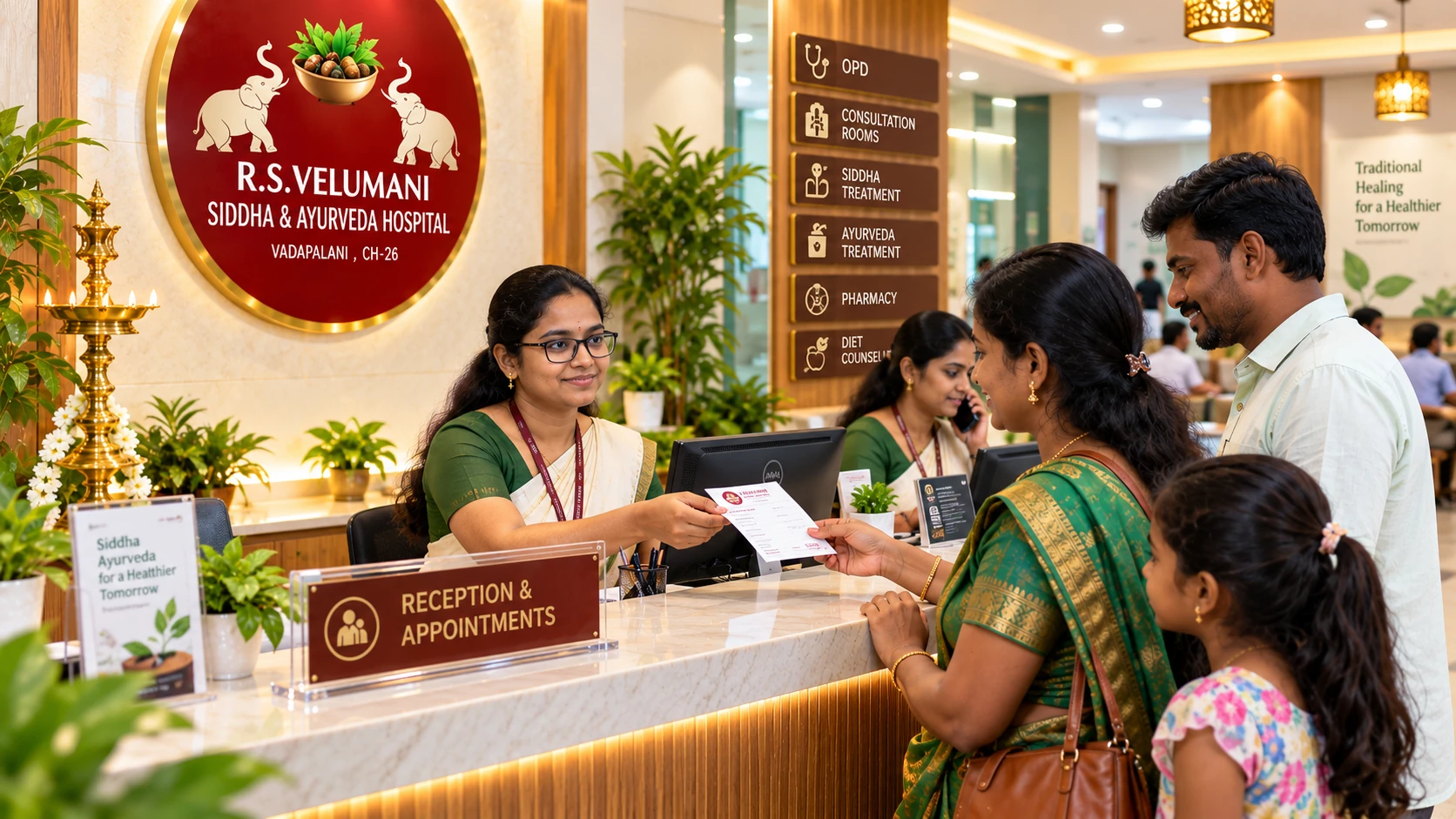
Hepatic Detox & Lipid Mobilization
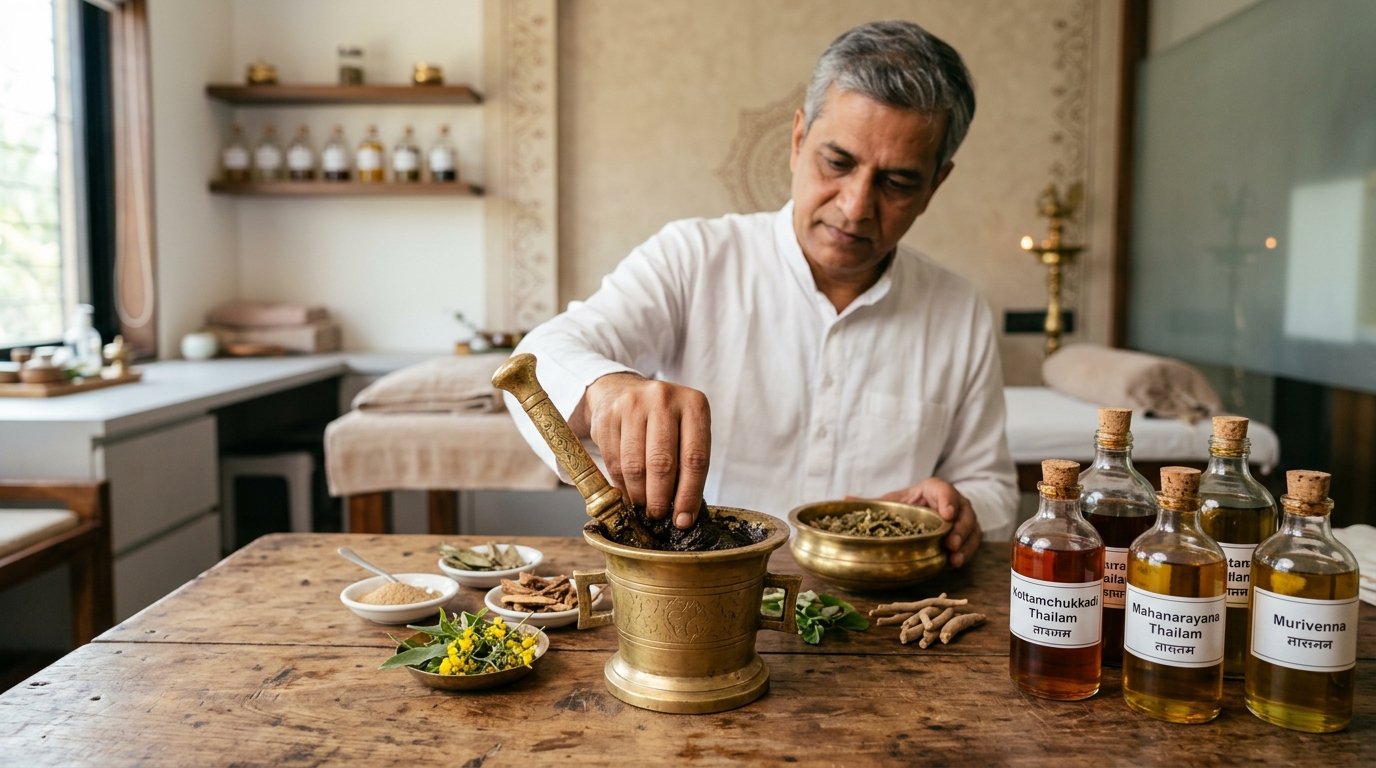
Katuki and Triphala formulations to awaken sluggish liver bile secretion and initiate clearance of circulating triglycerides.
Arterial Plaque Scraping & LDL Reduction
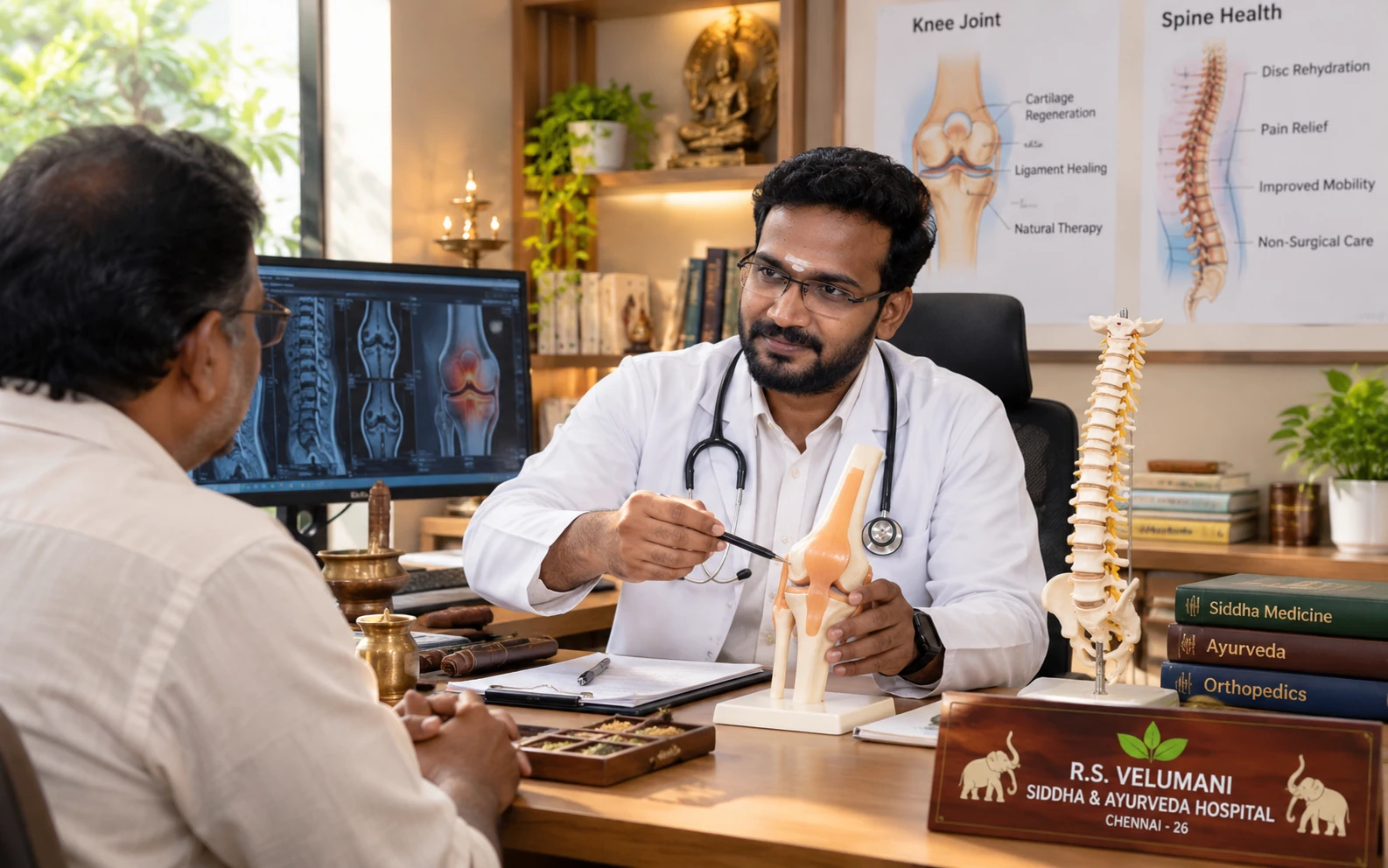
Arjuna Ksheerapaka and Medohar Guggulu to scrape atherogenic endothelial deposits and significantly lower LDL levels.
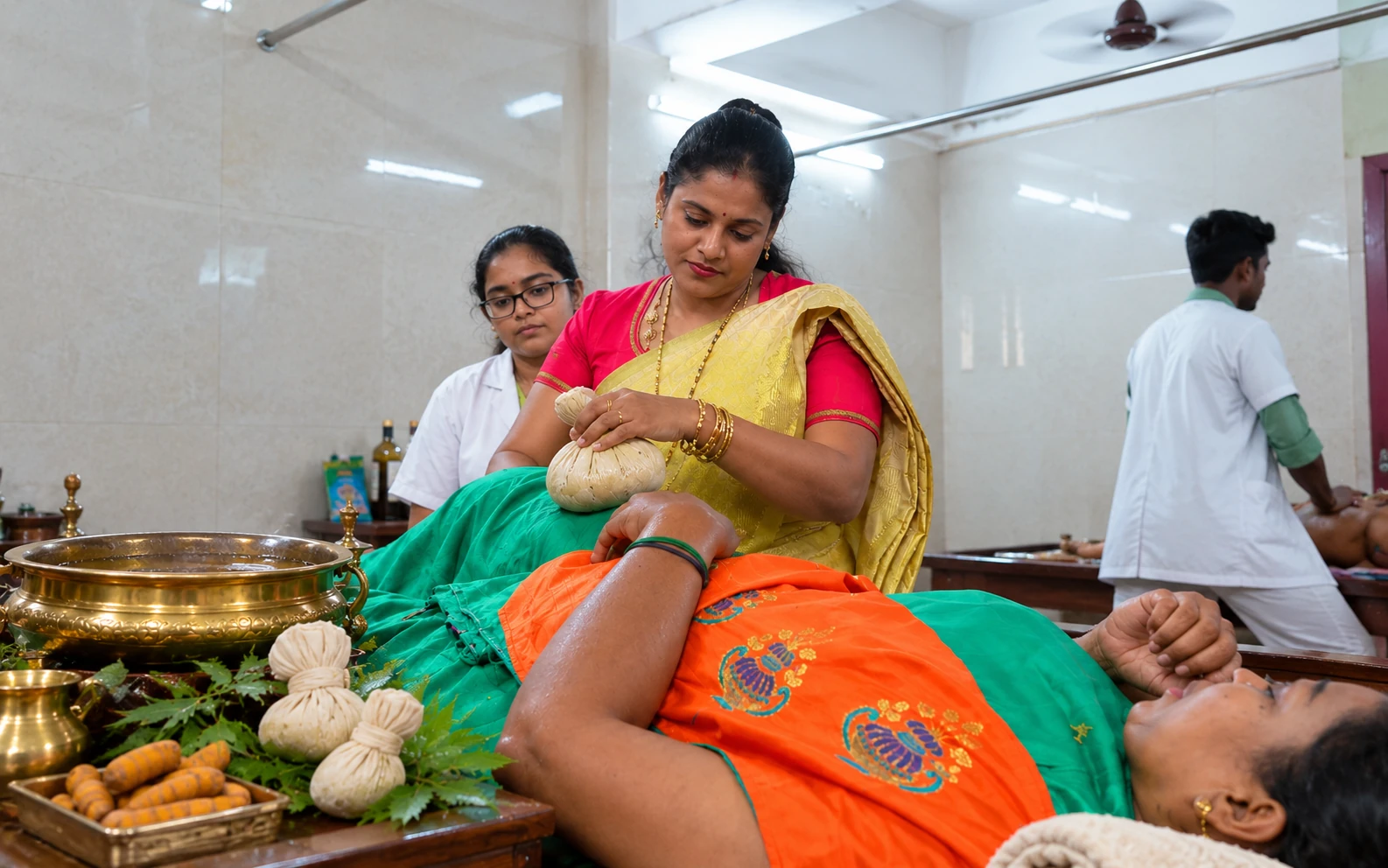
Cardiovascular Rejuvenation & Long-Term Stability
Pushkarmool and Hridaya Rasayanas to maintain healthy arterial compliance, optimize HDL, and safely taper synthetic statins.
Integrated Traditional Therapies
Hospital ProceduresAyurvedic & Siddha Dietary Guidelines (Pathya & Apathya)
Nutritional Medicine- •Arjuna bark tea boiled with water or light milk consumed daily as a heart tonic
- •Crushed raw garlic cloves taken with a spoonful of warm water or honey
- •Old barley (Yava), whole horse gram (Kollu) soup, and unpolished foxtail millet
- •Steamed bottle gourd, ridge gourd, ash gourd, and freshly grated amla (gooseberry)
- •A small handful of soaked walnuts and flaxseeds rich in plant omega-3 fatty acids
- •Deep-fried foods, commercial vanaspati, margarine, and hydrogenated trans fats
- •Fatty red meats, processed sausages, poultry skin, and heavy animal fats
- •Bakery items like biscuits, puffs, pastries, and cakes rich in refined palm oil
- •Excessive consumption of full-fat cheese, butter, and heavy condensed dairy
- •Sedentary lifestyle, smoking, and late-night heavy dinners before sleeping
Hospital Infrastructure & Clinical Facility
Vadapalani, Chennai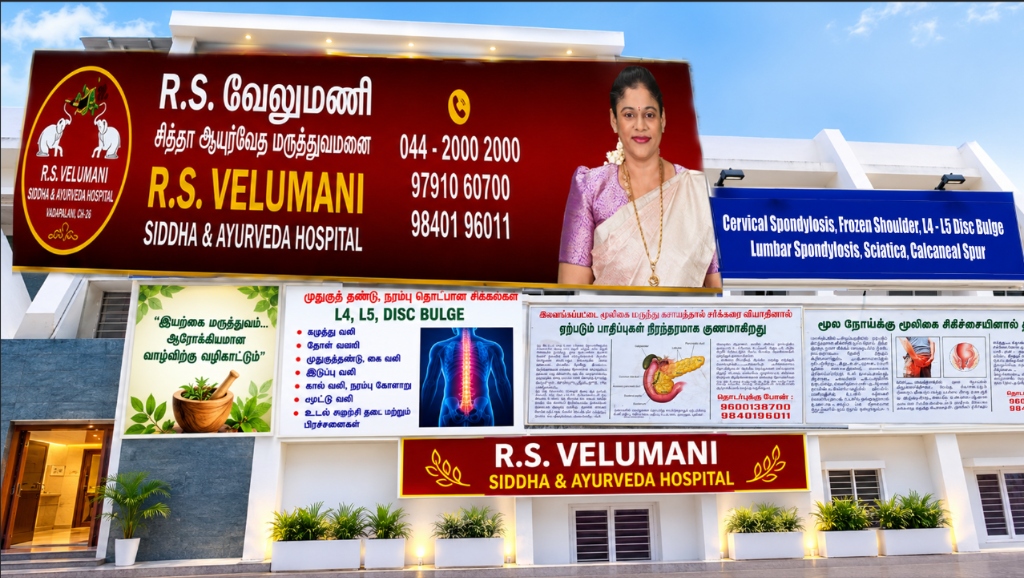
R S Velumani Siddha Ayurvedha Hospital is a fully equipped traditional hospital located in Vadapalani, Chennai. We provide daily outpatient consultations (OPD) and dedicated clinical therapy rooms for non-surgical healing.
Frequently Asked Questions
Doctor Answers
Book Doctor OPD Session
Direct clinical evaluation at R S Velumani Siddha Ayurvedha Hospital, Vadapalani, Chennai.
First Floor, Puttur Kattu Complex, 5, 100 Feet Road, Vadapalani, Chennai – 600026.