Chronic Joint Pain & General Arthritis Management (Mootu Vali)
Traditional Janu Vasti, medicated herbal leaf Kizhi, and classical bone-nourishing decoctions to lubricate worn cartilage, relieve pain, and restore joint flexibility.
Clinical Understanding & Articular Pathology
Chronic joint pain (arthralgia and degenerative arthritis) affects millions, particularly in weight-bearing joints such as the knees, hips, shoulders, and spine. Normal joints are cushioned by smooth hyaline articular cartilage and lubricated by viscous synovial fluid synthesized by the synovial membrane. With repetitive mechanical strain, aging, obesity, or metabolic inflammation, chondrocytes fail to synthesize sufficient collagen and proteoglycans. The cartilage frays, cracks, and thins, exposing underlying bone ends. Subchondral bone friction leads to bone spurs (osteophytes), joint effusion, severe stiffness, and painful grinding crepitus.
Root Cause in Siddha & Ayurveda (Sandhigata Vatha & Mootu Vali)
In Siddha, joint pain is treated under Mootu Vali, while Ayurveda defines it as Sandhigata Vatha. The disease is primarily driven by aggravated Vatha dosha localized in the joints (Sandhi). Vatha possesses dry, rough, cold, and deteriorating qualities (Ruksha, Khara, Sheeta), which dries up the lubricating synovial fluid (Sleshaka Kapha) within the articular cavity. As synovial fluid diminishes, bone surfaces rub together, producing agonizing pain and audible crepitus. Conventional painkiller tablets (NSAIDs) merely numb nerve endings temporarily while causing stomach ulcers and renal toxicity without replenishing the lost joint lubrication.
Clinical Stages & Progressive Warning Signs
R S Velumani Siddha Ayurvedha Hospital Joint Regeneration Protocol
Why Knee Replacement Surgery is Avoidable
Total joint replacement surgery is an invasive, irreversible procedure carrying significant risks of infection, blood clots, prosthetic loosening, and persistent nerve pain. Over 90% of joint replacement candidates can avoid surgery through our regenerative Ayurvedic therapies that re-nourish cartilage and restore natural joint fluid.
Expected Recovery Timeline & Prognosis
- Days 1 - 7: Substantial reduction in joint inflammation, sharp walking pain, and morning stiffness. - Days 8 - 21: Disappearance of grinding crepitus, improved joint lubrication, and ability to climb stairs without excruciating pain. - Days 22 - 45: Restored joint stability, strengthened quadriceps and hamstring support, and freedom to walk comfortably without painkillers.
Common Symptoms Treated
Clinical IndicationsStructured 3-Phase Clinical Journey
Step-by-Step Hospital Protocol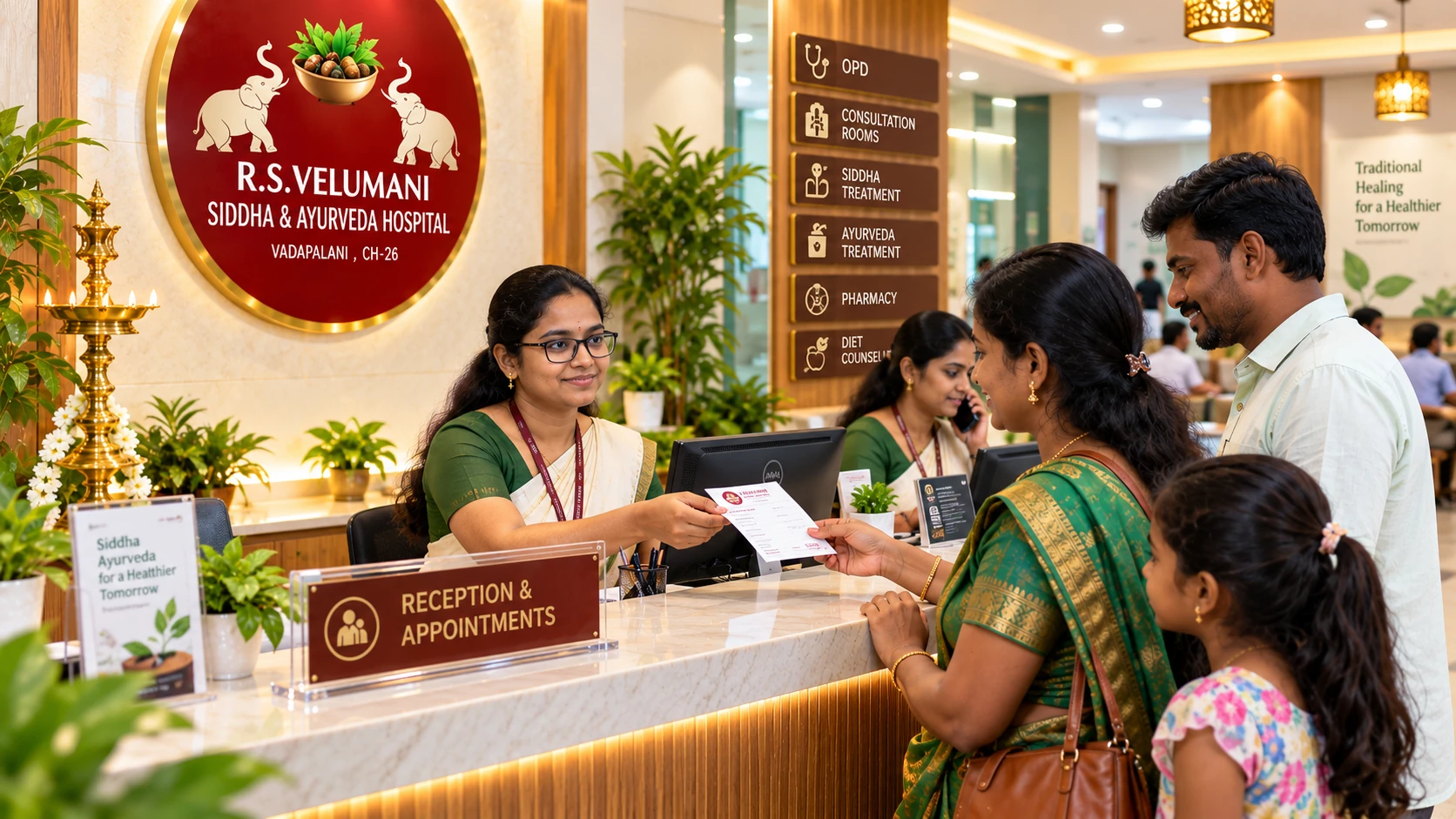
Inflammation Clearance & Spasm Relief
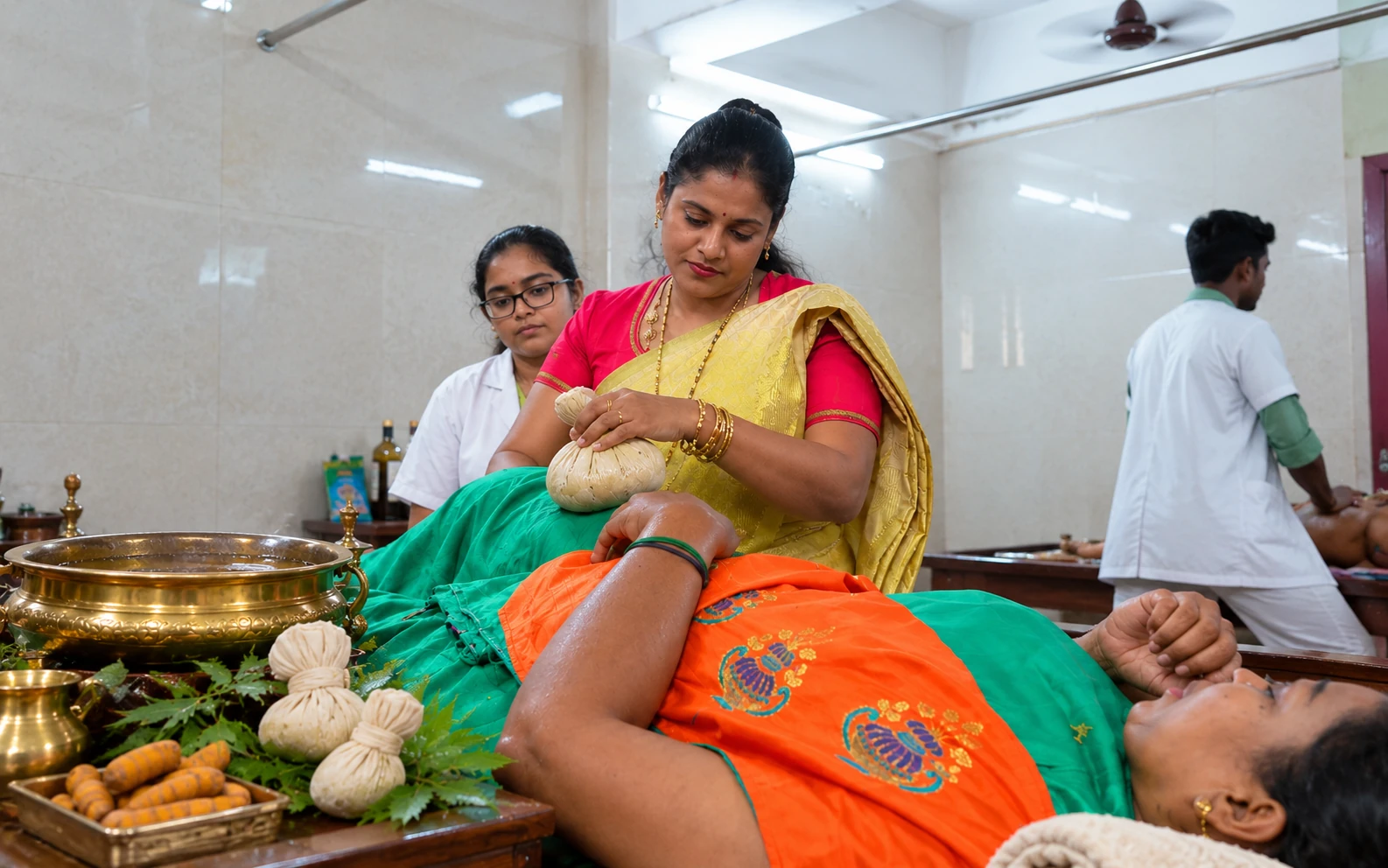
Daily Elakizhi herbal leaf fomentation and Shallaki decoctions to eliminate acute joint swelling and relieve agonizing pain.
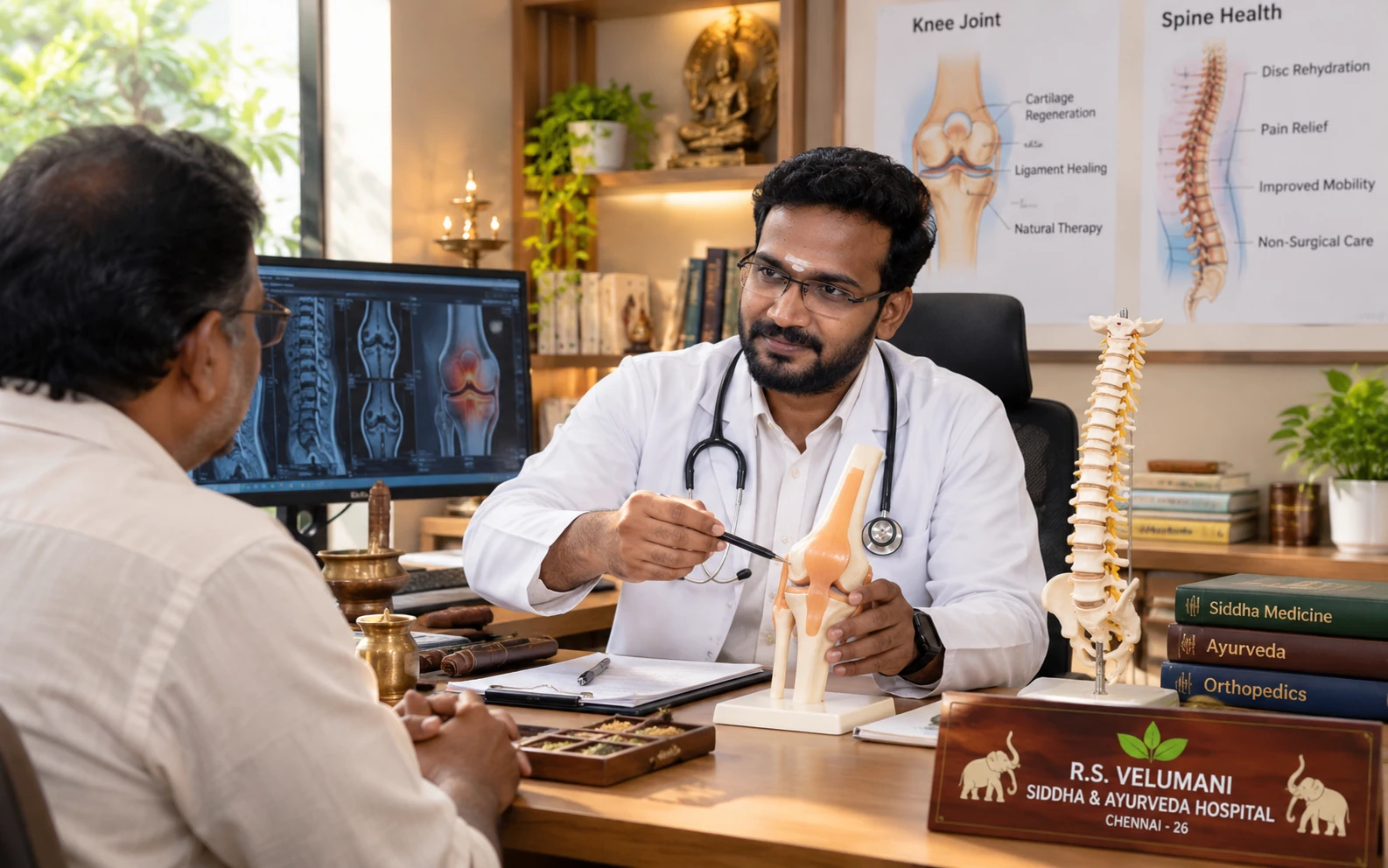
Synovial Fluid Replenishment (Janu Vasti)
Intensive Janu Vasti warm medicated oil pooling to deeply saturate the joint capsule and stimulate synovial fluid production.
Cartilage Matrix Rebuilding & Long-Term Stability
Pirandai and Lakshadi Guggulu therapy combined with Varmam realignment to rebuild cartilage strength and prevent future wear.
Integrated Traditional Therapies
Hospital Procedures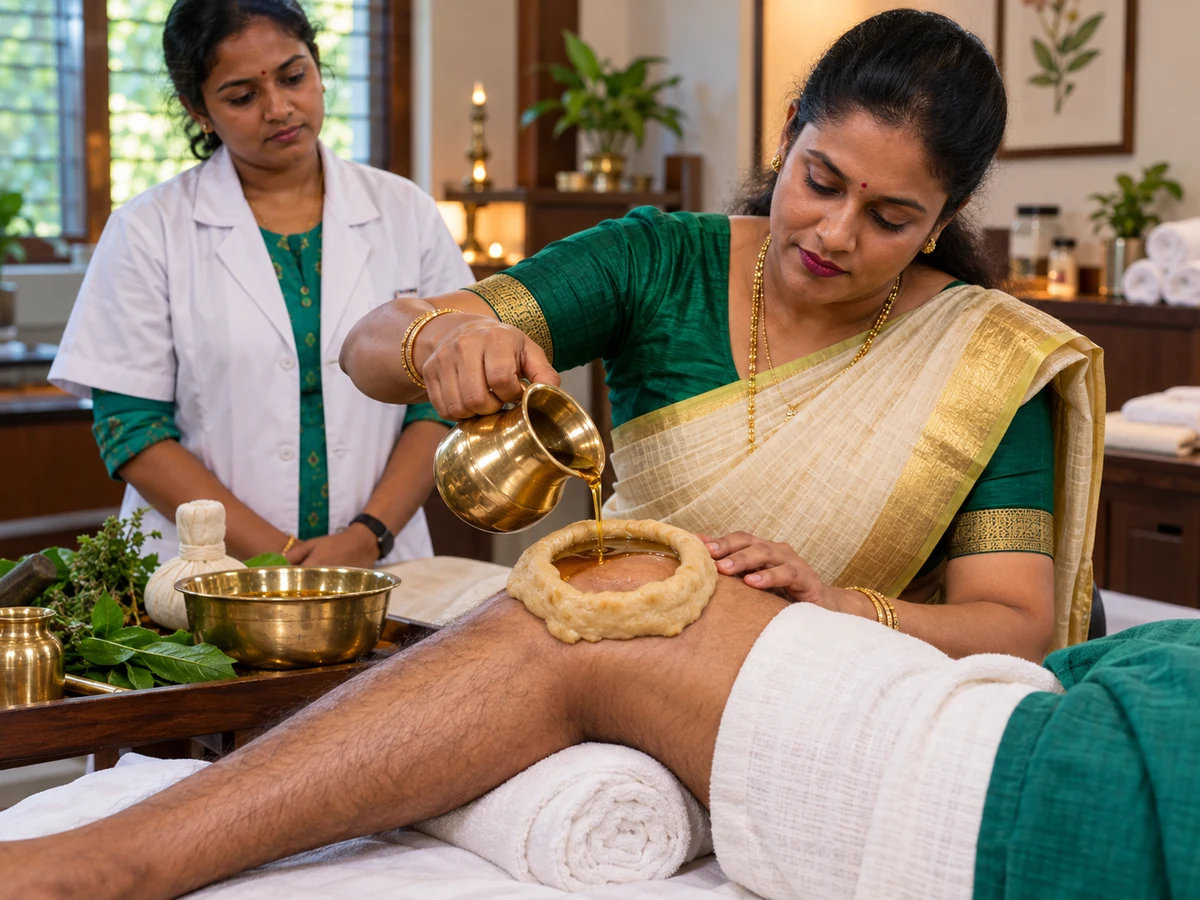
Ayurvedic & Siddha Dietary Guidelines (Pathya & Apathya)
Nutritional Medicine- •Pirandai (Cissus quadrangularis) thogayal or chutney to strengthen bone matrix
- •Warm cow's milk boiled with a pinch of turmeric, black pepper, and dry ginger
- •Sesame seeds (Til), drumstick (Moringa) leaves, and small garlic cloves
- •Cooked ridge gourd, snake gourd, ash gourd, and steamed brown rice
- •Pure cold-pressed sesame oil used in modest culinary amounts
- •Sour and acidic foods including tamarind, excess tomato, and vinegar
- •Deep-fried snacks, processed bakery goods, and hydrogenated oils
- •Cold refrigerated foods, icy drinks, and stale leftover meals
- •Heavy gas-producing pulses like black gram and potatoes in excess
- •Excessive physical exertion on hard concrete surfaces without proper footwear
Hospital Infrastructure & Clinical Facility
Vadapalani, Chennai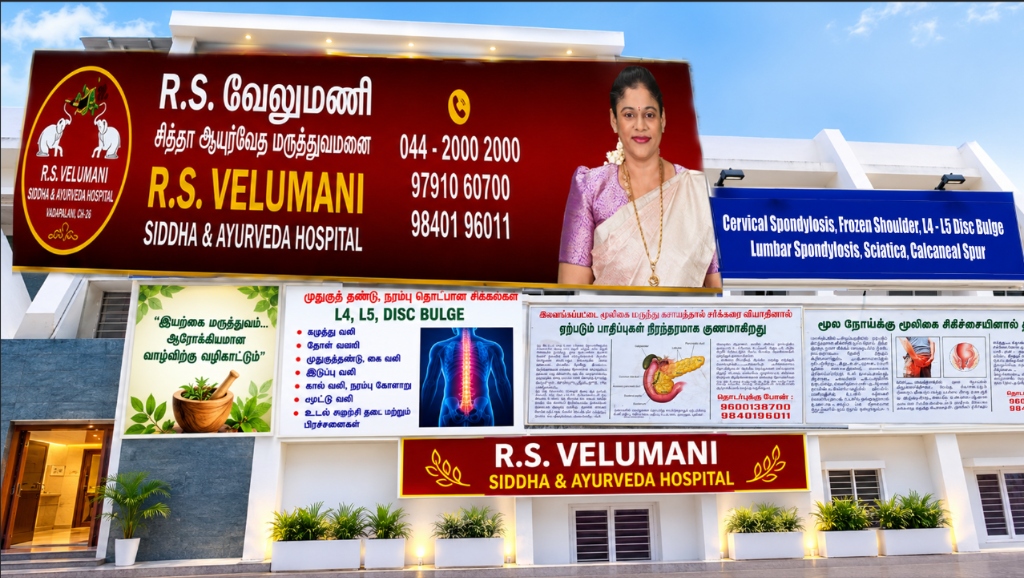
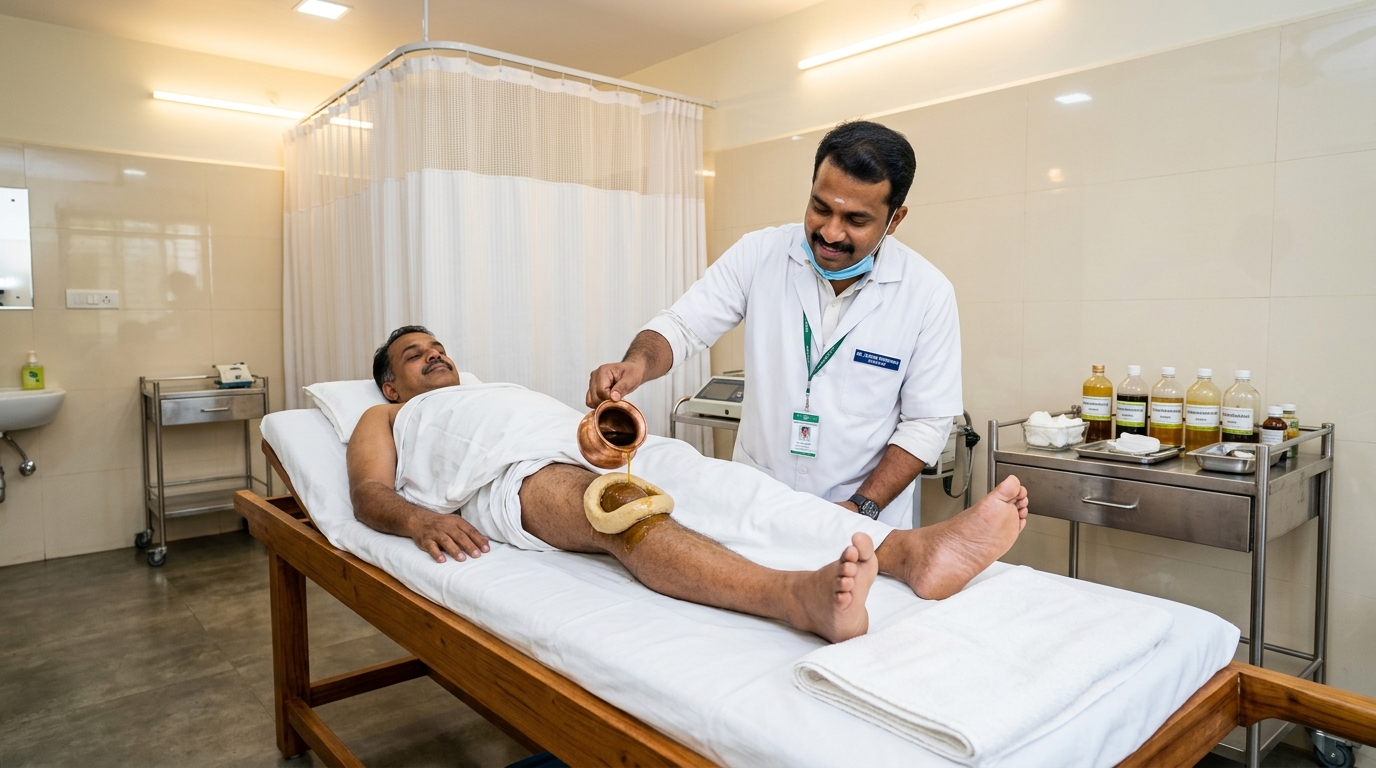
R S Velumani Siddha Ayurvedha Hospital is a fully equipped traditional hospital located in Vadapalani, Chennai. We provide daily outpatient consultations (OPD) and dedicated clinical therapy rooms for non-surgical healing.
Frequently Asked Questions
Doctor Answers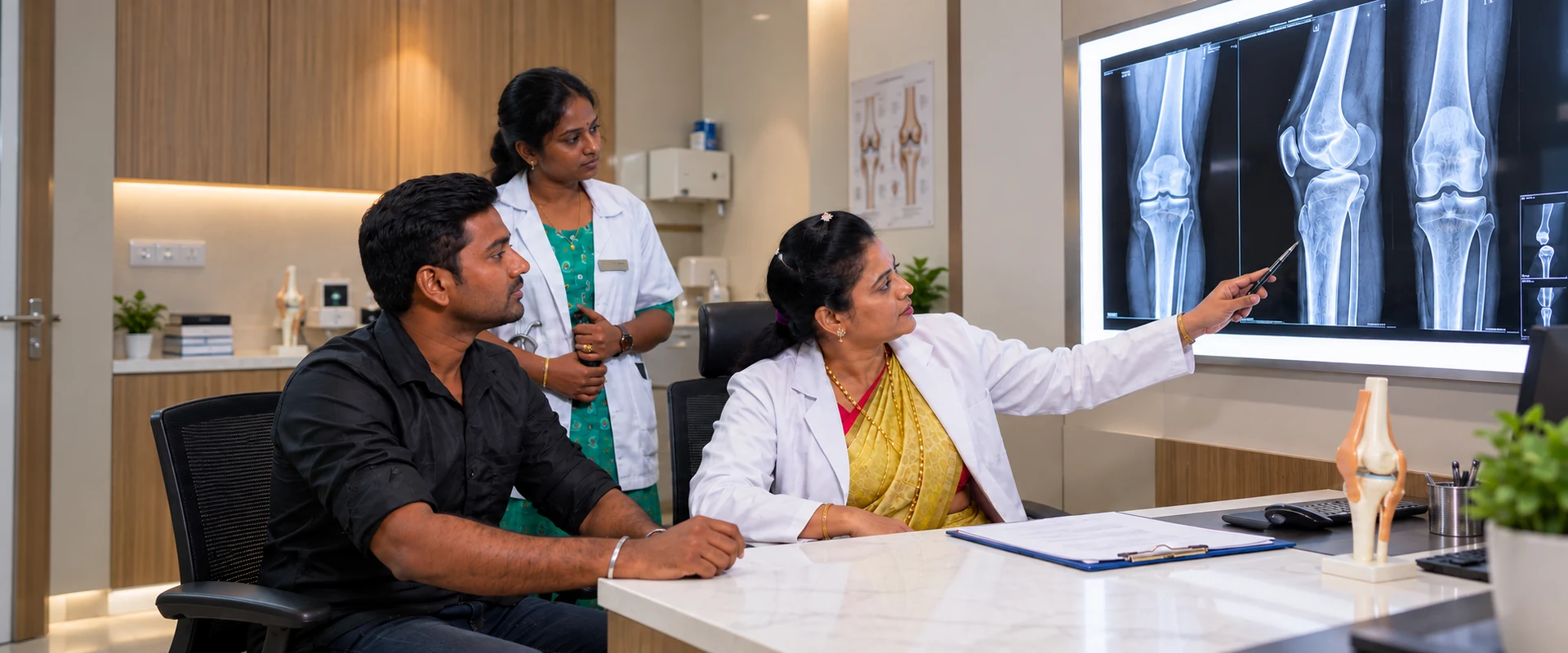
Book Doctor OPD Session
Direct clinical evaluation at R S Velumani Siddha Ayurvedha Hospital, Vadapalani, Chennai.
First Floor, Puttur Kattu Complex, 5, 100 Feet Road, Vadapalani, Chennai – 600026.