Vitiligo & Leucoderma Melanin Pigmentation Care
Activating melanocyte regeneration, traditional Bakuchi (Psoralea corylifolia) therapy, controlled solar exposure, and Rakta Shodhana to repigment white patches.
Clinical Understanding & Dermatological Pathology
Vitiligo (Leucoderma) is an acquired autoimmune dermatological disorder characterized by the progressive destruction of cutaneous melanocytes (melanin-producing cells in the basal layer of the epidermis). Autoreactive cytotoxic CD8+ T-lymphocytes target melanocyte-specific antigens (such as tyrosinase), inducing apoptosis. Clinically, this results in well-demarcated, chalky-white or porcelain-white depigmented macules and patches (leukoderma). In hair-bearing areas, melanocyte loss in hair follicles leads to white hair (poliosis). Lesions often follow a symmetrical distribution on the face, lips, fingers, wrists, knees, and genitalia, causing profound psychological and social distress.
Root Cause in Siddha & Ayurveda (Switra, Kilasa & Bhrajaka Pitta)
In Ayurveda and Siddha medicine, vitiligo is classified under Switra, Kilasa, or Venpadai. The disease arises from a complex vitiation of all three doshas, with a predominance of Pitta and Vatha, deeply impacting the blood (Rakta), muscle tissue (Mamsa), and lymph (Lasika). The sub-type of Pitta responsible for skin complexion and pigmentation—Bhrajaka Pitta—becomes dormant or damaged. Classical texts identify incompatible dietary combinations (Viruddha Ahara, especially consuming milk and fish together), chronic mental grief, and immune suppression as key triggers. Conventional dermatology offers topical corticosteroids or UV phototherapy, which carry long-term risks of skin atrophy and rebound depigmentation.
Clinical Stages & Progressive Warning Signs
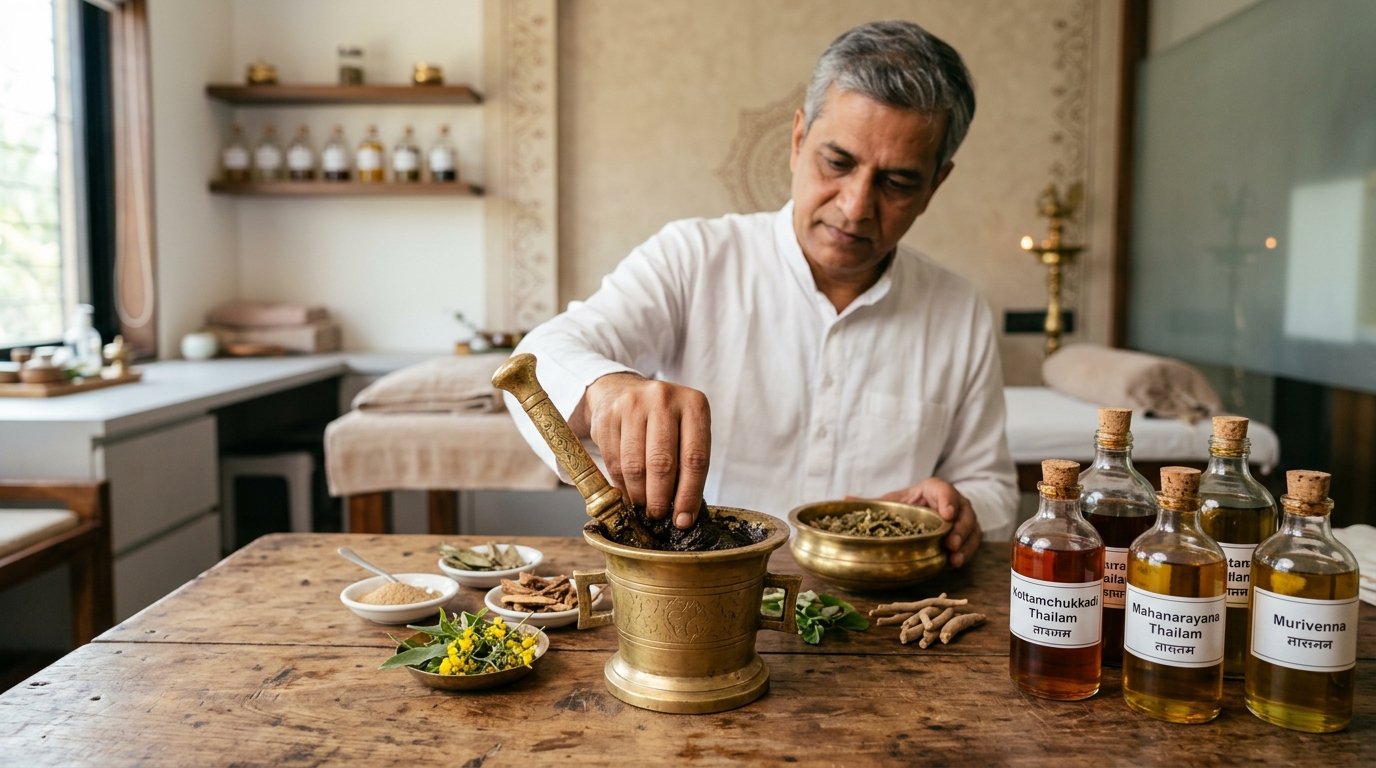
R S Velumani Siddha Ayurvedha Hospital Melanin Repigmentation Protocol
Why Topical Steroids & Harsh Immunosuppressants Fail
Topical corticosteroids thin the delicate skin layers and cause permanent telangiectasias without restoring functional melanocytes. Our time-tested Bakuchi methodology and solarized oils awaken natural melanin synthesis from the hair follicle reservoirs safely.
Expected Recovery Timeline & Prognosis
- Weeks 1 - 4: Complete cessation of new white spot formation (halting disease activity); margins of white patches turn reddish-pink with morning sun exposure. - Month 2 - 3: Appearance of tiny brown freckle-like pigment islands (perifollicular repigmentation) starting from hair follicles inside the white patches. - Month 4 - 6+: Gradual coalescence of pigment islands, progressively filling and repigmenting the white patches back to natural skin tone.
Common Symptoms Treated
Clinical IndicationsStructured 3-Phase Clinical Journey
Step-by-Step Hospital Protocol
Disease Arrest & Autoimmune Stabilization
Khadirarishtha and blood purifying herbs to neutralize circulating auto-antibodies and completely halt the spread of new patches.

Bakuchi Phototherapy & Island Pigmentation
Purified Bakuchi formulations paired with morning solar exposure to stimulate follicular melanoblasts, creating brown pigment islands.
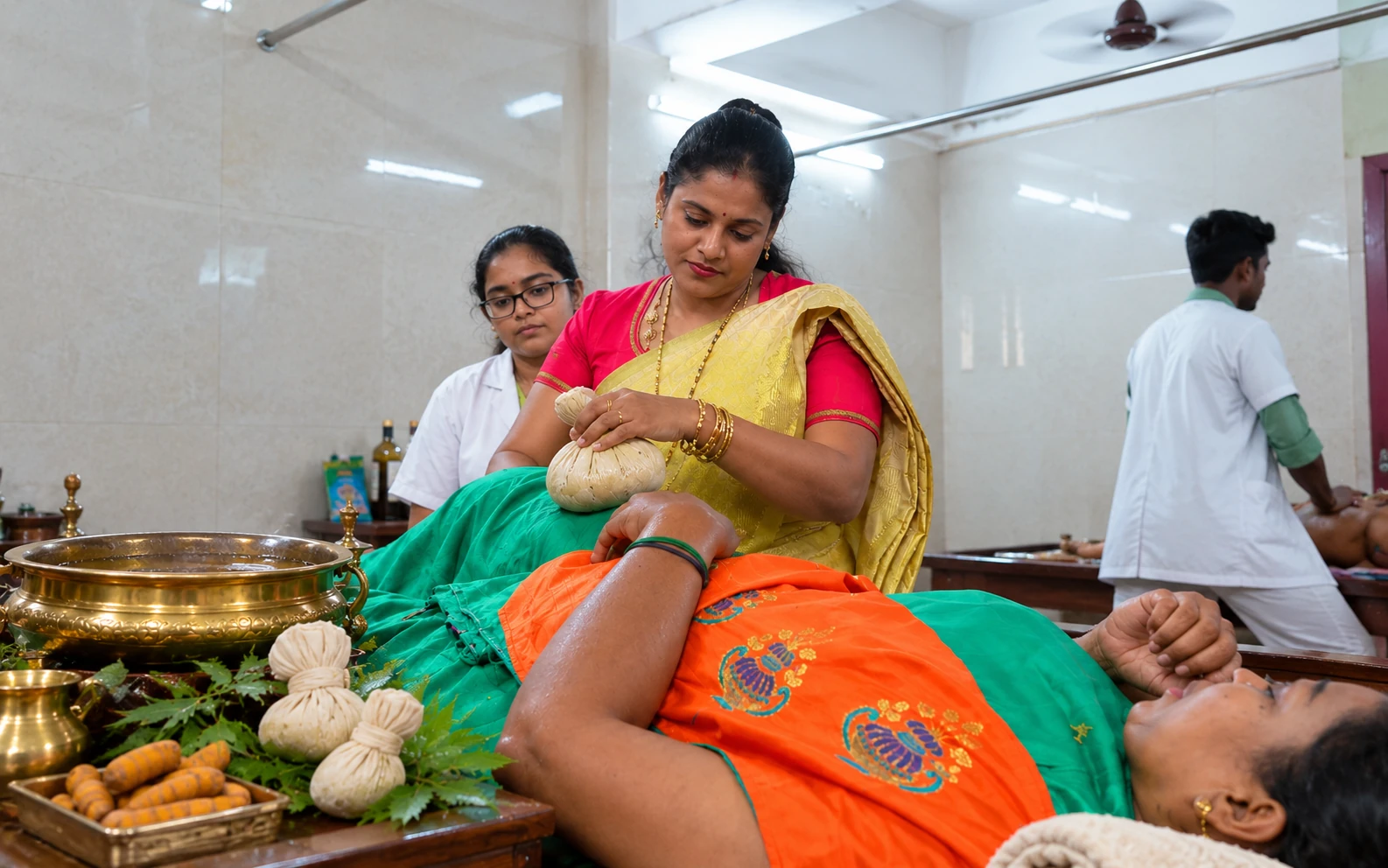
Pigment Coalescence & Skin Uniformity
Continued melanocyte stimulation and Bhrajaka Pitta tonics until pigment islands merge, restoring seamless natural skin tone.
Integrated Traditional Therapies
Hospital ProceduresAyurvedic & Siddha Dietary Guidelines (Pathya & Apathya)
Nutritional Medicine- •Copper-enriched water stored overnight in a pure copper vessel to activate tyrosinase
- •Black gram (Urad dal), soaked black raisins, walnuts, and dates
- •Cooked ridge gourd, bottle gourd, drumstick, and unpolished red rice
- •Fresh pomegranate, sweet apples, figs, and carrots rich in carotenoids
- •Pure cold-pressed mustard oil or sesame oil used in modest culinary amounts
- •Incompatible food combinations (Viruddha Ahara) like milk with fish, salt, or citrus
- •Extremely sour foods including tamarind, pickles, vinegar, lemons, and sour curd
- •Excessive consumption of raw tomatoes, citrus fruits, and artificially sour snacks
- •Commercial junk foods, carbonated sodas, and foods with chemical artificial colorings
- •Harsh direct midday sunlight exposure which causes skin sunburn on depigmented areas
Hospital Infrastructure & Clinical Facility
Vadapalani, Chennai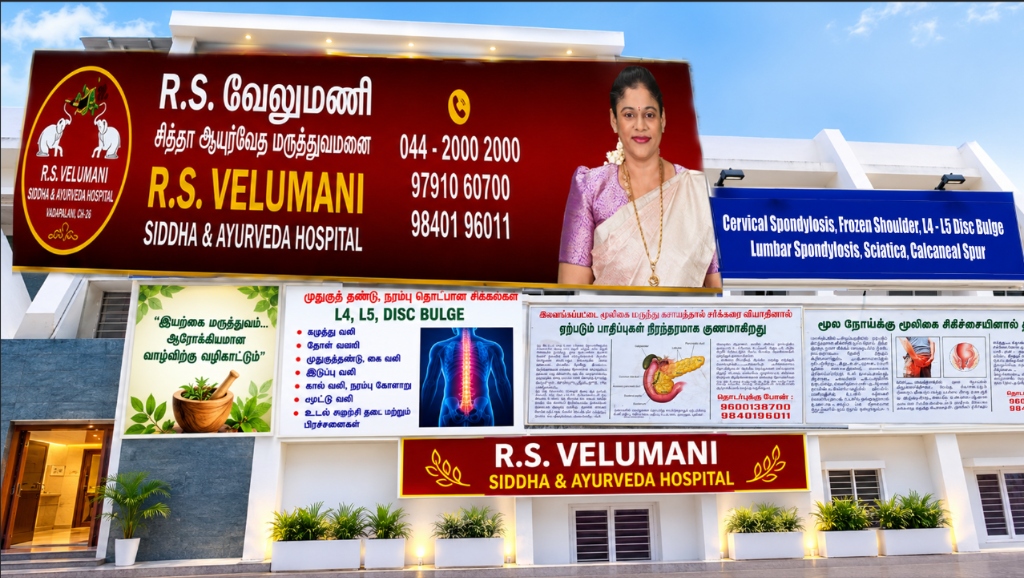
R S Velumani Siddha Ayurvedha Hospital is a fully equipped traditional hospital located in Vadapalani, Chennai. We provide daily outpatient consultations (OPD) and dedicated clinical therapy rooms for non-surgical healing.
Frequently Asked Questions
Doctor Answers
Book Doctor OPD Session
Direct clinical evaluation at R S Velumani Siddha Ayurvedha Hospital, Vadapalani, Chennai.
First Floor, Puttur Kattu Complex, 5, 100 Feet Road, Vadapalani, Chennai – 600026.