Daily: 10:00 AM - 6:00 PM
Call Us: 96001 38700
Digestive & Metabolic

Chronic Constipation & Hard Stool Evacuation Care (மலச்சிக்கல் - Malachikkal)

Resolving severe dry hard stools, anal obstruction, chronic straining, and pelvic floor tightness through authentic Triphala decoctions, castor basti, and gut lubrication.
R S Velumani Siddha Ayurvedha HospitalClinical Protocol Summary
Clinically Verified by Certified Hospital Vaidyas
Multilingual Care:தமிழ்: நாள்பட்ட மலச்சிக்கல் மற்றும் மலக்கட்டு சிகிச்சை (மலச்சிக்கல்)తెలుగు: దీర్ఘకాలిక మలబద్ధకం & గట్టి మల సమస్యల చికిత్స (మలబద్ధకం)ಕನ್ನಡ: ದೀರ್ಘಕಾಲದ ಮಲಬದ್ಧತೆ & ಗಟ್ಟಿ ಮಲ ನಿವಾರಣೆ (ಮಲಬದ್ಧತೆ)
Expected Healing Duration
10 - 21 Days
Structured recovery cycles
Clinical Efficacy
Effortless Natural Bowel Evacuation
Documented patient relief
Surgical Avoidance
100% Non-Surgical
Natural bone & tissue healing
Zero Steroids
100% Herbal Care
Zero chemical side effects
Chronic Constipation & Hard Stool Evacuation Care (மலச்சிக்கல் - Malachikkal)
Apana Vayu Harmonization
R S Velumani Siddha Ayurvedha Hospital — Vadapalani, Chennai. Dedicated clinical care for Chronic Constipation & Hard Stool Evacuation Care (மலச்சிக்கல் - Malachikkal).

Clinical Understanding & Colonic Pathology

Chronic constipation (Obstipation) is a severe, incapacitating motility disorder where fecal matter stagnates within the descending colon and rectum for days. Prolonged transit time causes the colonic mucosa to absorb excess water from the fecal bolus, transforming it into stone-like, desiccated fecal scybala (fecal impaction). When patients attempt to evacuate, extreme straining generates intense intra-rectal pressure, tearing the delicate anal lining (causing acute anal fissures), engorging hemorrhoidal veins, and exhausting the pelvic floor musculature. Chronic fecal stasis leads to auto-intoxication, systemic lethargy, severe halitosis, migraines, and abdominal distension.

Root Cause in Siddha & Ayurveda (Malachikkal & Vibandha)

In authentic Tamil Siddha medicine, this condition is known as Malachikkal or Malakattu, while Ayurveda diagnoses it as Vibandha and Purishaja Sroto Dusti. The root pathogenesis lies in severely vitiated Apana Vatha. Apana Vayu is the physiological force responsible for the downward expulsion of stool, urine, and menstrual flow. When aggravated by dry foods, inadequate water intake, irregular meal timings, or habitual suppression of the natural urge to defecate (Vegadharana), Apana Vayu becomes desiccating and obstructed (Vimarga Gamana). Relying on commercial chemical laxatives (senna, bisacodyl) causes severe colon atony (melanosis coli), worsening constipation in the long run.

Clinical Stages & Progressive Warning Signs

1
Early Irregularity Stage: Passing hard, pellet-like stools every 2 to 3 days, mild abdominal bloating, and feeling of incomplete emptying.
2
Chronic Straining Stage: Defecation requires exhausting straining for 20 to 30 minutes, accompanied by sharp anal tearing sensations and streaks of blood on hard feces.
3
Severe Obstipation Stage: Inability to pass stool for 4 to 7 consecutive days without strong purgatives, severe fecal impaction, rock-hard lower abdomen, nausea, and severe loss of appetite.

R S Velumani Siddha Ayurvedha Hospital Complete Malachikkal Protocol

1
Colonic Oleation & Rehydration (Snehana & Koshtha Shodhana): Administration of medicated cow's ghee infused with digestive herbs (Sukumara Ghritam) and cold-pressed castor oil to soften hardened fecal masses and coat dry intestinal walls.
2
Matra Basti (Medicated Herbal Oil Enema): Administering small retention enemas using Ksheerabala Taila or Gandharvahastadi Taila directly into the rectum to nourish pelvic nerves, dissolve fecal impaction, and re-establish natural rectal sensations.
3
Apana Vatha Anulomana Formulations: Classical Siddha formulations containing Kadukkai (Terminalia chebula), Triphala, Avipattikar Churna, and Drakshadi Lehyam to gently restore physiological peristalsis.
4
Varmam & Pelvic Floor Relaxation: Stimulating specific abdominal and lumbosacral marma points (Kallidai Kaalam and Kudhi Kaalam) to release spastic pelvic floor contractures.

Why Chemical Purgatives & Habitual Laxatives are Dangerous

Synthetic osmotic and stimulant laxatives irritate the intestinal lining and cause dangerous electrolyte loss. Over time, the colon becomes totally non-responsive ('lazy bowel syndrome'). R S Velumani Siddha Ayurvedha Hospital's herbal protocol re-educates the colon's autonomic peristaltic rhythm naturally, allowing patients to experience smooth, spontaneous morning evacuation.

Expected Recovery Timeline & Prognosis

- Days 1 - 3: Immediate softening of impacted, rock-hard stools, relief from agonizing defecation pain, and successful evacuation without forceful straining. - Days 4 - 10: Resolution of abdominal bloating, restoration of natural appetite, and healing of superficial anal mucosal tears. - Days 11 - 21: Established regular, effortless daily morning bowel movements without needing any synthetic laxative powders.

Common Symptoms Treated

Clinical Indications
Passing extremely dry, hard, lump-like or pellet-like stools with great difficulty
Severe straining required during defecation, often taking over 30 minutes
Bowel movements occurring only once every 3 to 6 days or total obstipation
Sharp tearing pain at the anal verge during stool passage, occasionally with blood
Persistent feeling of rectal obstruction or incomplete bowel evacuation
Chronic abdominal heaviness, distressing gas distension, and foul-smelling breath
Loss of appetite, headache, chronic fatigue, and bad skin breakouts due to toxin reabsorption

Structured 3-Phase Clinical Journey

Step-by-Step Hospital Protocol
Impaction Dissolution & Immediate Relief
Phase 1Days 1 - 3

Impaction Dissolution & Immediate Relief

Matra Basti rectal lubrication and Sukumara Ghritam to soften rock-hard fecal scybala and allow painless, effortless evacuation.
Peristalsis Re-education & Apana Vatha Balance
Phase 2Days 4 - 12

Peristalsis Re-education & Apana Vatha Balance

Triphala and Kadukkai formulations paired with abdominal marma therapies to awaken natural colonic muscular waves.
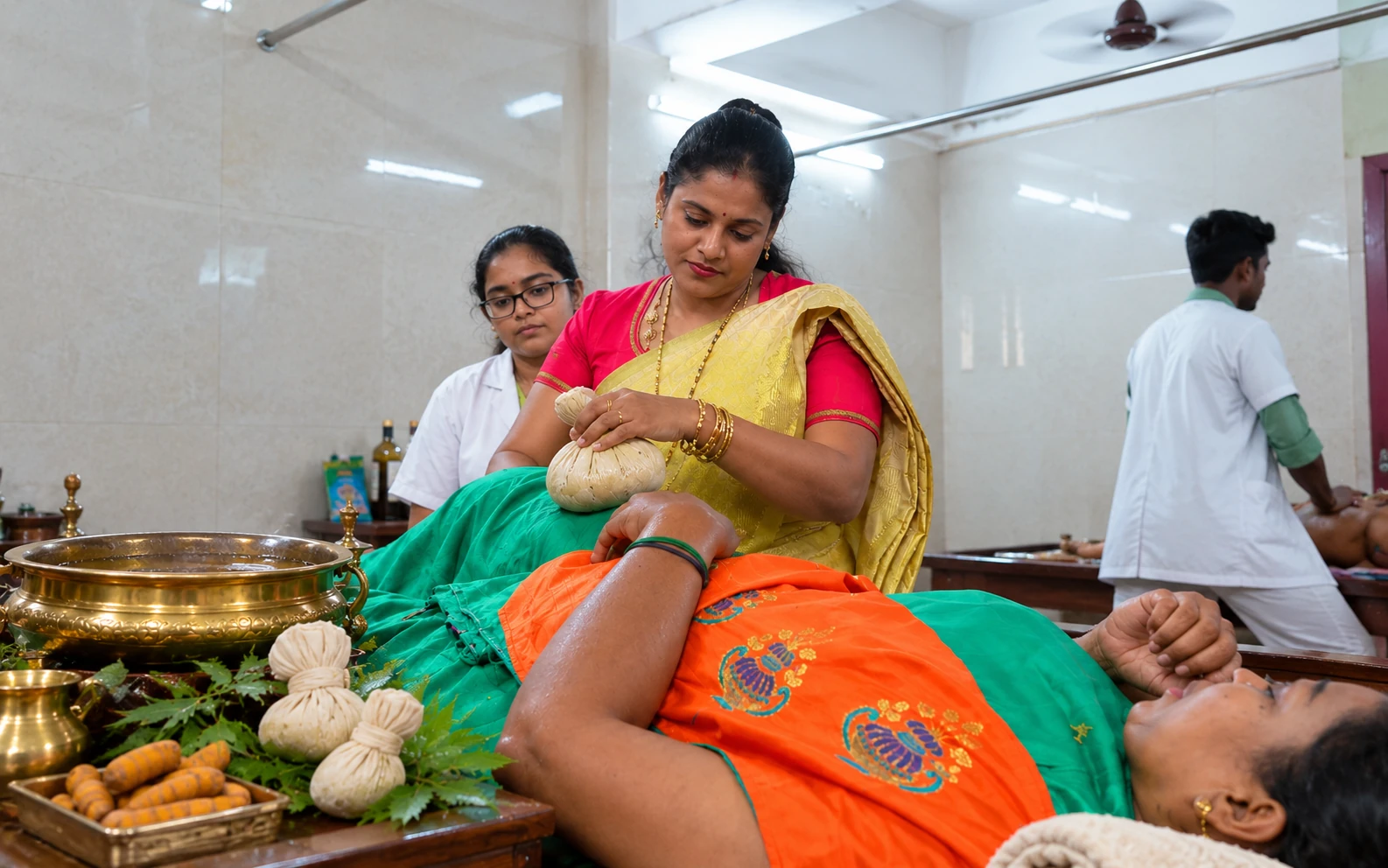
Enteric Tone Restoration & Permanent Regularity
Phase 3Days 13 - 21+

Enteric Tone Restoration & Permanent Regularity

Drakshadi Lehyam and dietary fiber stabilization to establish consistent, self-sustaining morning bowel regularity without medicines.

Integrated Traditional Therapies

Hospital Procedures
Classical 100% herbal Siddha & Ayurvedic formulations prepared on-site
Classical Kadukkai & Triphala Colon Rejuvenation Decoctions
Targeted Matra Basti (Nourishing Medicated Rectal Oil Enema)
Sukumara Ghritam Internal Colonic Oleation Therapy
Apana Vatha Pelvic Floor Varmam Point Manipulation
Avipattikar & Drakshadi Mild Anulomana Formulations
Customized High-Hydration & Colon Lubricating Pathya Diet

Ayurvedic & Siddha Dietary Guidelines (Pathya & Apathya)

Nutritional Medicine
Recommended Foods (Pathya / Wholesome)
  • •Abundant warm water consumed in the morning (Ushapan) and throughout the day
  • •Soaked black raisins (Munakka), fresh ripe papaya, and stewed figs
  • •Warm cooked vegetables like bottle gourd, ridge gourd, and elephant foot yam
  • •One teaspoon of pure cow's ghee mixed into a warm cup of milk at bedtime
  • •Fresh homemade buttermilk with cumin and a pinch of rock salt (Saindhava Lavana)
Foods to Avoid (Apathya / Inflammatory)
  • •Refined white flour (maida), bakery bread, biscuits, and dry crackers
  • •Astringent and dry foods like raw salads, cold chips, and dry roasted grains
  • •Excessive consumption of strong black tea, coffee, and carbonated sodas
  • •Suppression of the natural urge to evacuate stool (Vegadharana)
  • •Irregular late-night dinners and immediate bedtime sleeping after meals

Hospital Infrastructure & Clinical Facility

Vadapalani, Chennai
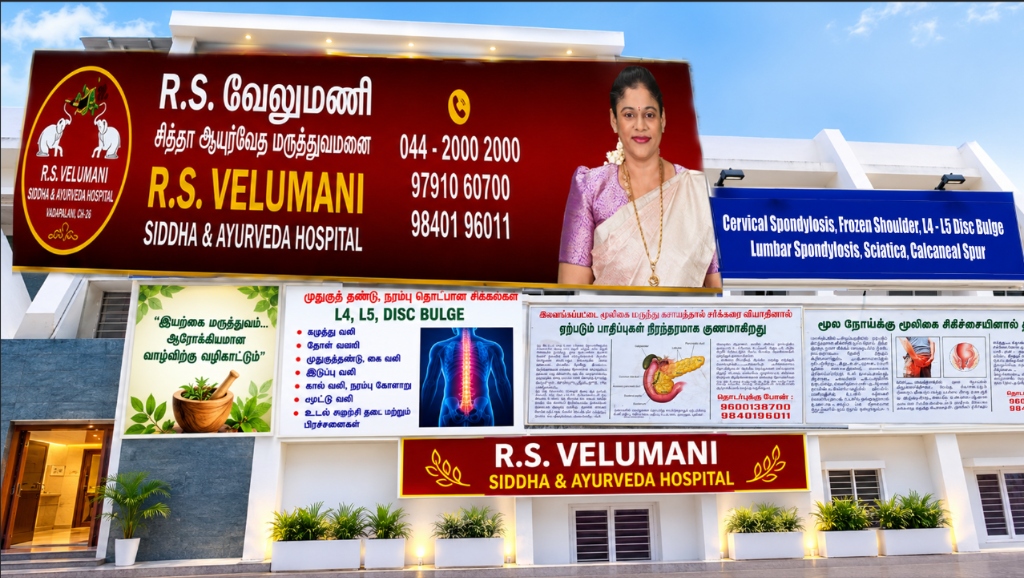
RS Velumani Siddha Ayurvedha Hospital Building Vadapalani Chennai
Main Hospital Campus • 100 Feet Road, Vadapalani

R S Velumani Siddha Ayurvedha Hospital is a fully equipped traditional hospital located in Vadapalani, Chennai. We provide daily outpatient consultations (OPD) and dedicated clinical therapy rooms for non-surgical healing.

Dedicated therapy suites with traditional wooden Droni treatment beds
In-house pharmacy with 100% authentic Siddha & Ayurvedic formulations
Wheelchair accessibility, zero-wait OPD scheduling & patient parking

Frequently Asked Questions

Doctor Answers
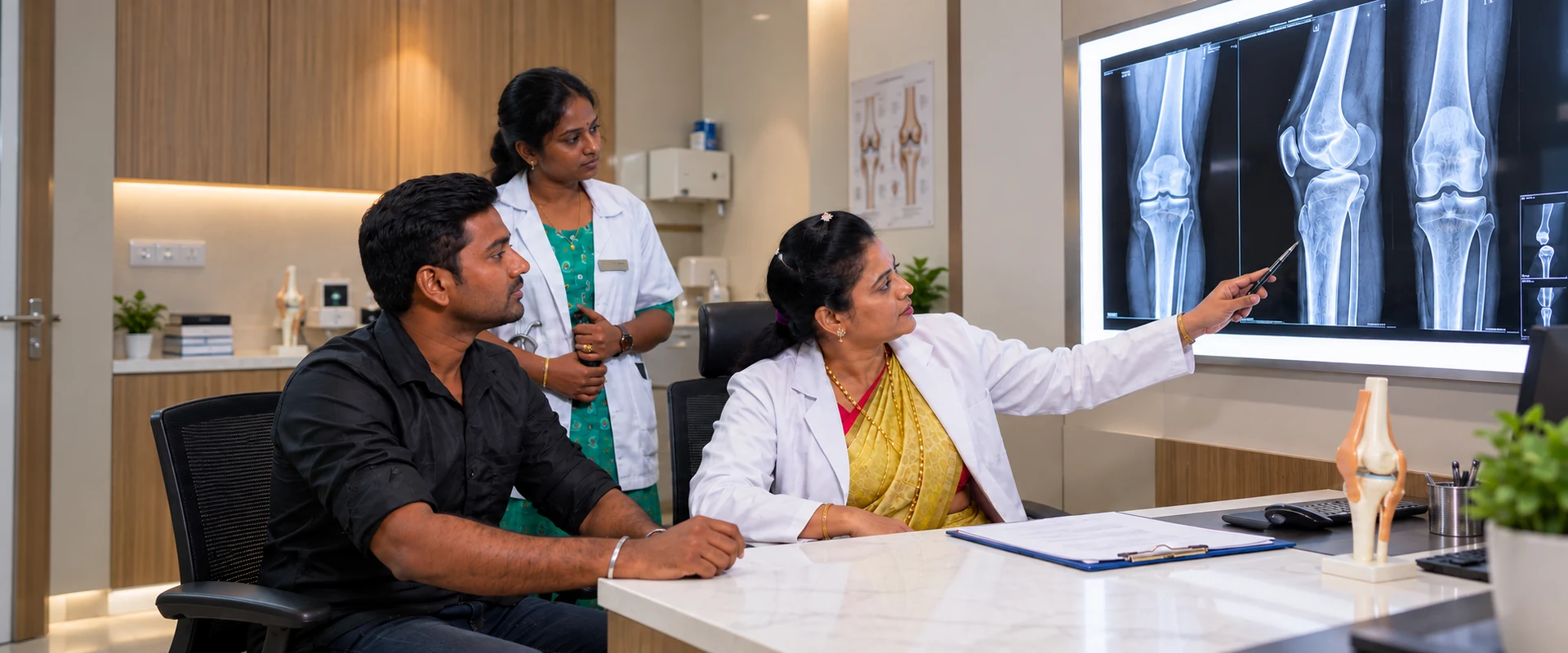
Q:How does this treatment differ from over-the-counter laxatives?
Commercial laxatives chemically irritate or pull water violently into the colon, causing cramping and dependency. Our Siddha-Ayurvedic protocol lubricates the dry mucosal lining and re-educates the colon's own muscular peristalsis, curing the root cause permanently.
Q:Can severe chronic constipation cause anal fissures and piles?
Yes! Straining to pass rock-hard stools tears the delicate anal mucosa (fissure) and causes hemorrhoidal venous engorgement (piles). Resolving Malachikkal is the single most important step to prevent and cure both conditions.
Q:Is Matra Basti painful or uncomfortable?
Not at all. Matra Basti involves introducing a tiny amount (30 to 50 ml) of warm, medicated herbal oil into the rectum using a gentle catheter. It is completely painless, deeply soothing, and immediately relieves pelvic dryness.
Q:How long will I need to take herbal medicines?
Most patients establish normal, self-sustaining daily bowel movements within 2 to 3 weeks. Once natural peristalsis is re-established, herbal medicines are discontinued while simple dietary hydration keeps you regular.
Doctor OPD Consultation at RS Velumani Hospital
Vadapalani OPD CampusDaily 10 AM - 6 PM
Hospital ConsultationZero Wait Time

Book Doctor OPD Session

Direct clinical evaluation at R S Velumani Siddha Ayurvedha Hospital, Vadapalani, Chennai.

Clinical Specifications
Expected Duration:10 - 21 Days
Clinical Efficacy:Effortless Natural Bowel Evacuation
Surgery Required:0% (Zero Surgery)
R S Velumani Siddha Ayurvedha Hospital

First Floor, Puttur Kattu Complex, 5, 100 Feet Road, Vadapalani, Chennai – 600026.

Daily: 10:00 AM – 06:00 PM
Peer-reviewed traditional clinical protocol administered under direct supervision of certified Vaidyas.