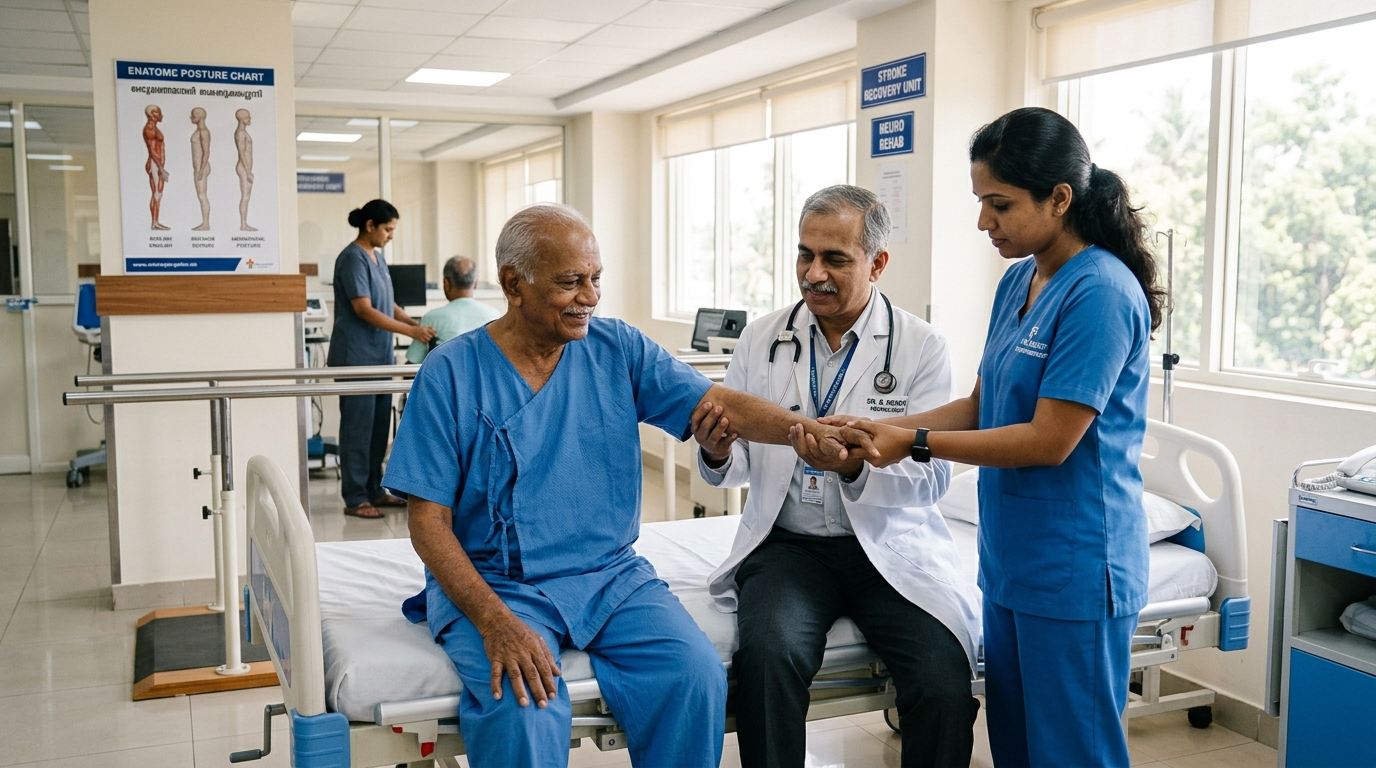
Stroke, Hemiplegia & Paralysis Neuro-Rehabilitation
Intensive neuro-muscular regeneration combining Siddha Varmam marma therapy, Ksheeradhara, medicated herbal oils, and neuro-plasticity exercises for stroke recovery.
Clinical Understanding & Neuro-Vascular Pathology
Cerebrovascular accidents (stroke) result from either localized cerebral ischemia (thromboembolism occluding cerebral arterial supply) or intracranial hemorrhage. The sudden interruption of oxygen and glucose leads to rapid neuronal necrosis in the primary motor cortex and internal capsule. Clinically, this manifests as contralateral hemiplegia (paralysis of one side of the body), facial droop, dysarthria (speech impairment), dysphagia (swallowing difficulty), sensory deficits, and severe muscular spasticity or flaccidity in affected limbs.
Root Cause in Siddha & Ayurveda (Pakkavatham & Pakshaghata)
In Siddha medicine, stroke is known as Pakkavatham, while Ayurveda terms it Pakshaghata or Pakshavadha. It is considered a severe, life-threatening disorder caused by fiercely aggravated Vatha dosha. Vitiated Vayu dries up the vital cerebrospinal fluid and neuro-vascular channels (Siradusti and Snayu shosha), causing sudden motor and sensory paralysis. Western rehabilitation relies on repetitive physiotherapy with little medicinal regeneration of dormant cerebral pathways. Our Siddha-Ayurveda approach actively re-establishes neuro-muscular synaptic transmission through potent neuro-tonic herbs and Varmam pressure point stimulation.
Clinical Stages & Progressive Warning Signs
R S Velumani Siddha Ayurvedha Hospital Complete Neuro-Rehabilitation Protocol
Why Early Traditional Neuro-Rehab Delivers Superior Results
The neurological window of neuroplasticity is greatest within the first 3 to 6 months post-stroke. While conventional care often plateaus after basic exercises, our multi-modal protocol stimulates deep nerve pathways and repairs ischemic penumbra tissue, helping bedridden patients stand, walk, and regain speech independence.
Expected Recovery Timeline & Prognosis
- Weeks 1 - 2: Improvement in facial asymmetry, better swallowing control, and reduction in spastic muscle pain. - Weeks 3 - 6: Return of voluntary motor movement in fingers and toes, improved limb power, and ability to sit unassisted. - Weeks 7 - 12: Regained ability to stand with minimal support, initiation of functional walking, and clearer verbal communication.
Common Symptoms Treated
Clinical IndicationsStructured 3-Phase Clinical Journey
Step-by-Step Hospital Protocol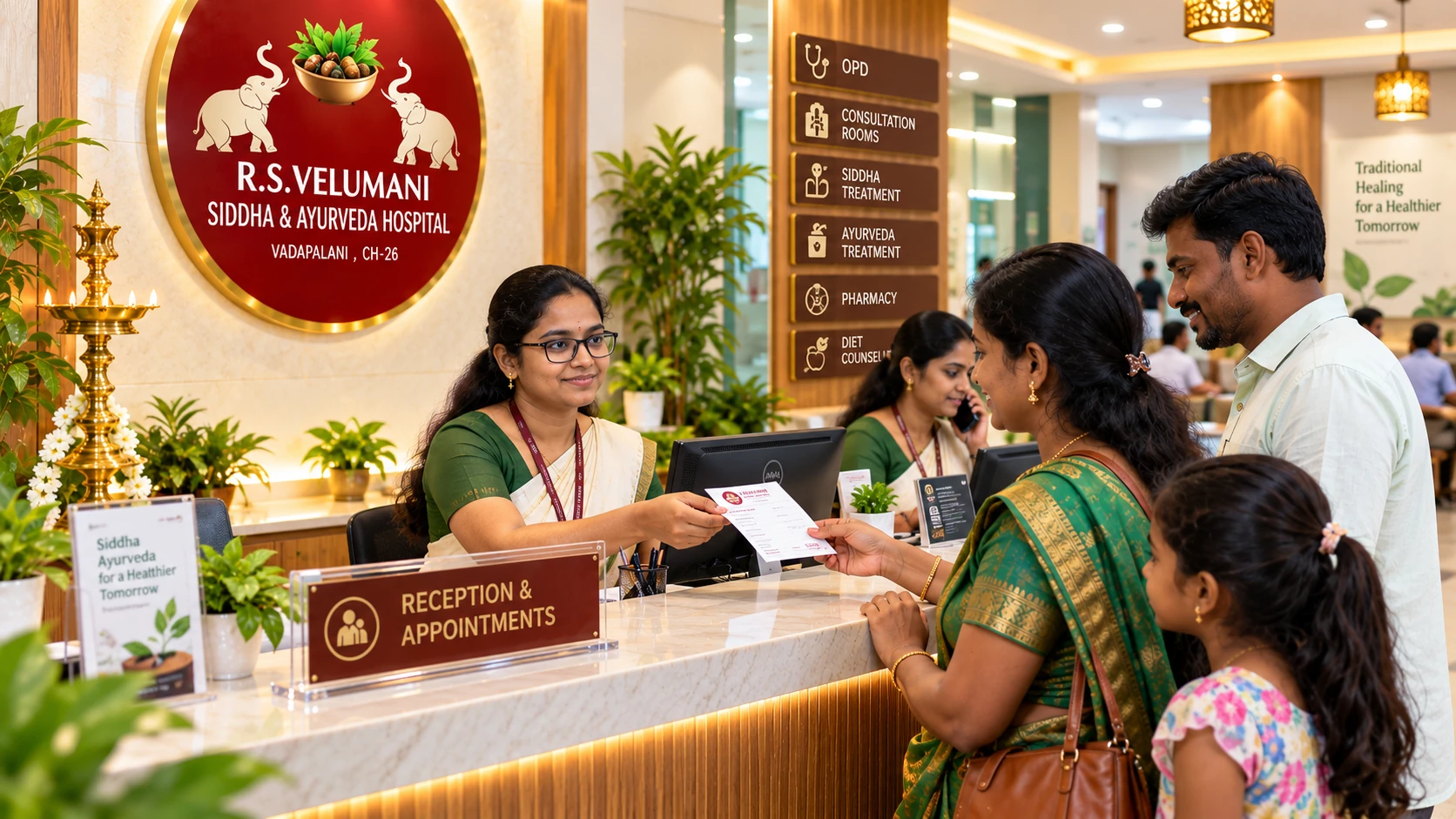
Neuro-Vascular Calming & Swallowing Restoration
Gentle Varmam point stimulation, Shirodhara, and Balarishtam to stabilize blood pressure, soothe cerebral hypoxia, and restore swallowing.
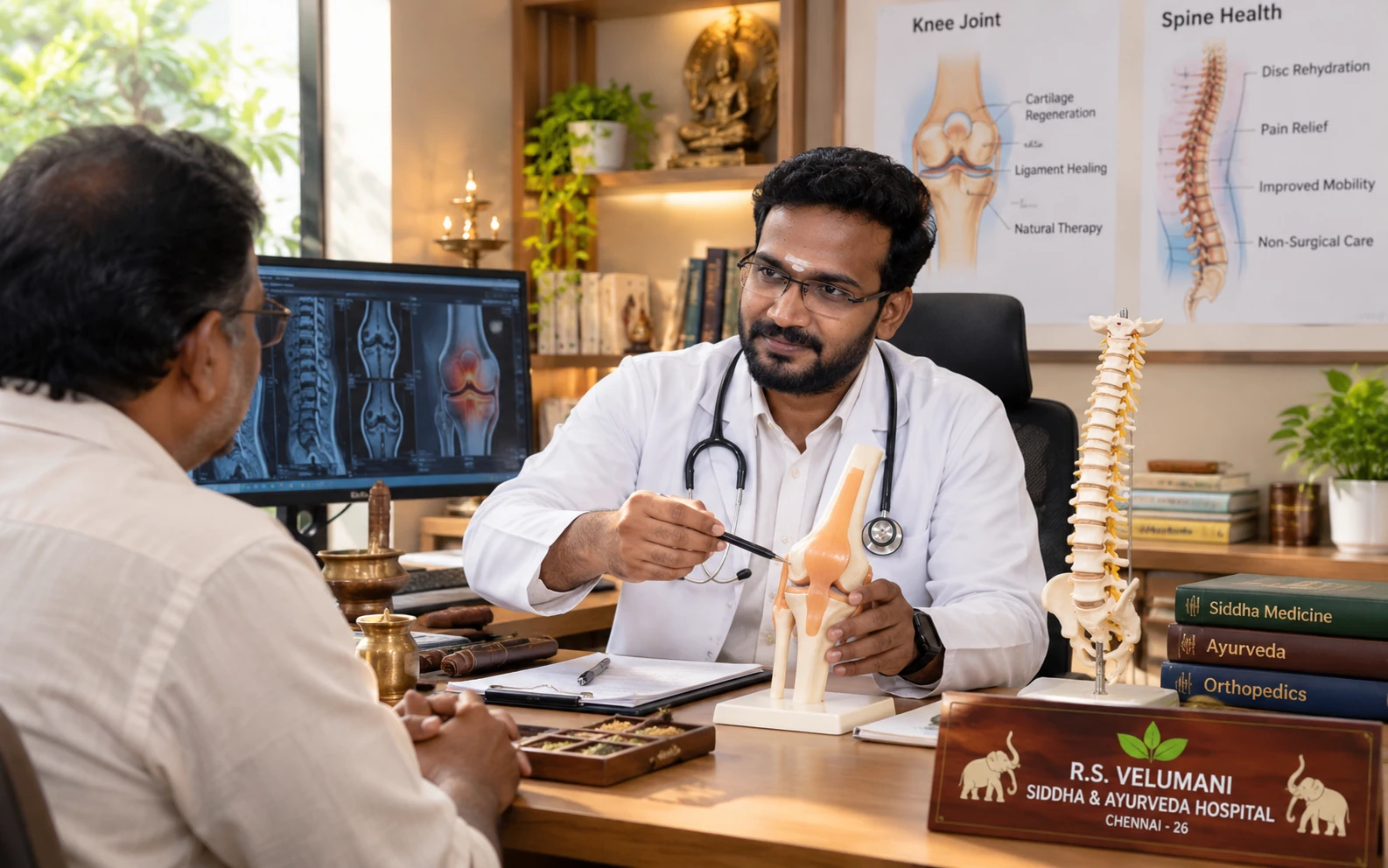
Motor Awakening & Contracture Prevention
Navarakizhi warm milk-rice poultices and limb mobilization to awaken dormant nerve conduction and prevent muscle contractures.
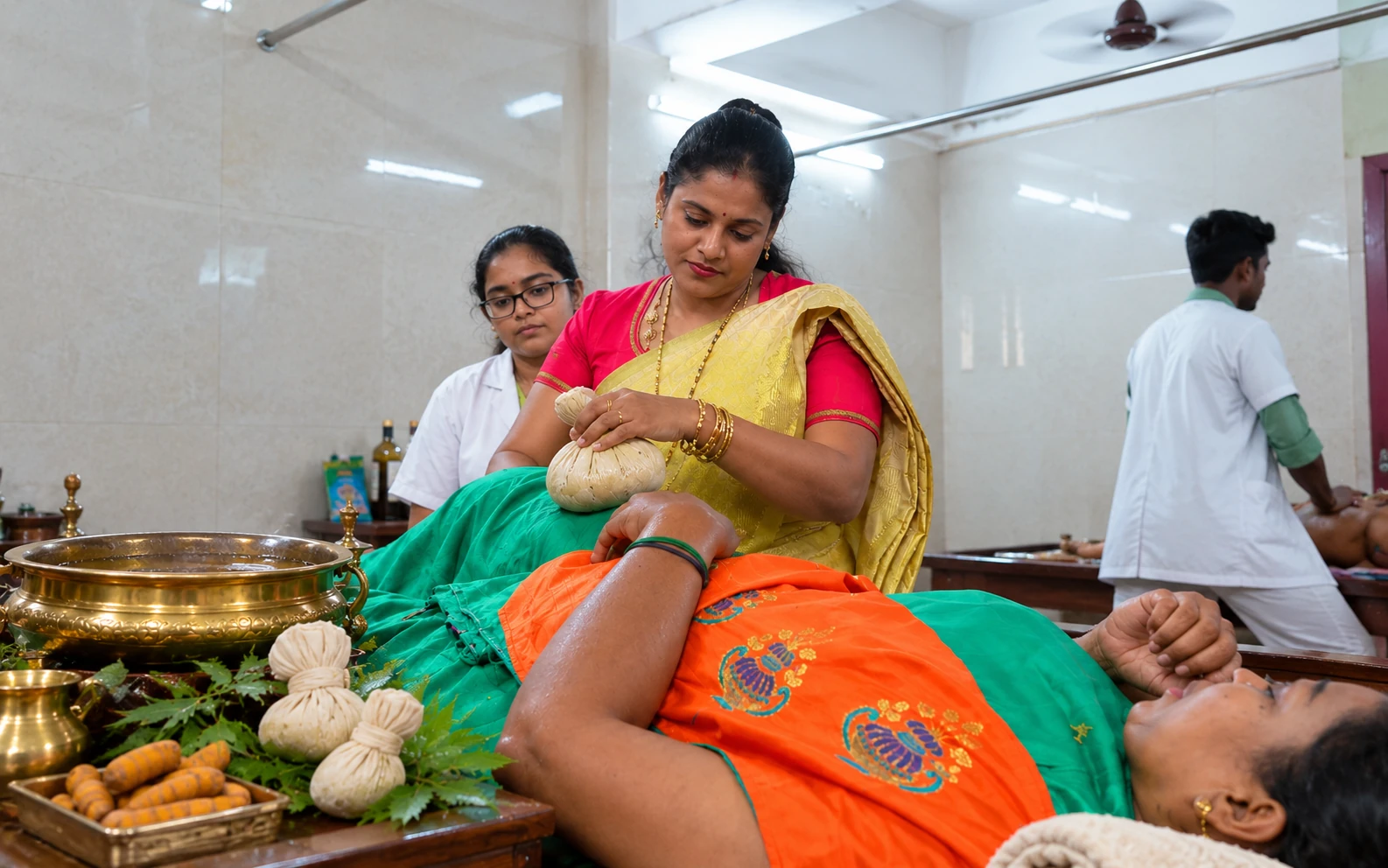
Functional Gait Training & Speech Independence
Intensive balance re-education, Varmam speech point therapy, and Rasayana nerve tonics to achieve independent walking and verbal clarity.
Integrated Traditional Therapies
Hospital Procedures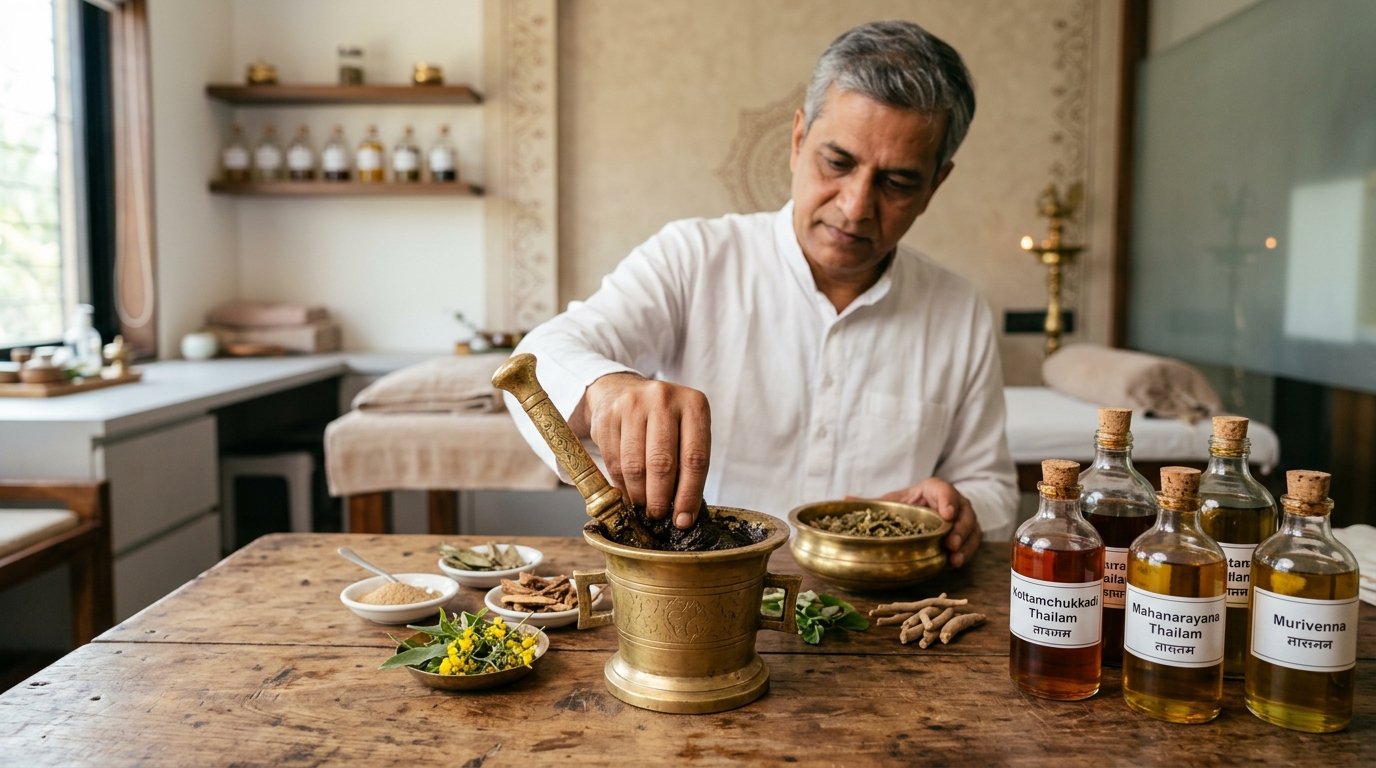
Ayurvedic & Siddha Dietary Guidelines (Pathya & Apathya)
Nutritional Medicine- •Easily digestible, warm nourishing foods like moong dal khichdi with ghee
- •Warm boiled cow's milk infused with garlic and a pinch of turmeric
- •Ash gourd soup, drumstick soup, and well-cooked bottle gourd
- •Soaked almonds and walnuts to support brain neurological lipid nutrition
- •Fresh pomegranate juice and sweet grapes for antioxidant vascular support
- •Cold, refrigerated food, ice creams, and carbonated beverages
- •Excessive dry, astringent foods like raw salads, cold bread, and dry crackers
- •Deep-fried street foods, trans fats, and excess salty snacks
- •Heavy, gas-forming pulses like rajma, chana, and raw sprouts
- •Exposure to cold night winds and sudden temperature fluctuations
Hospital Infrastructure & Clinical Facility
Vadapalani, Chennai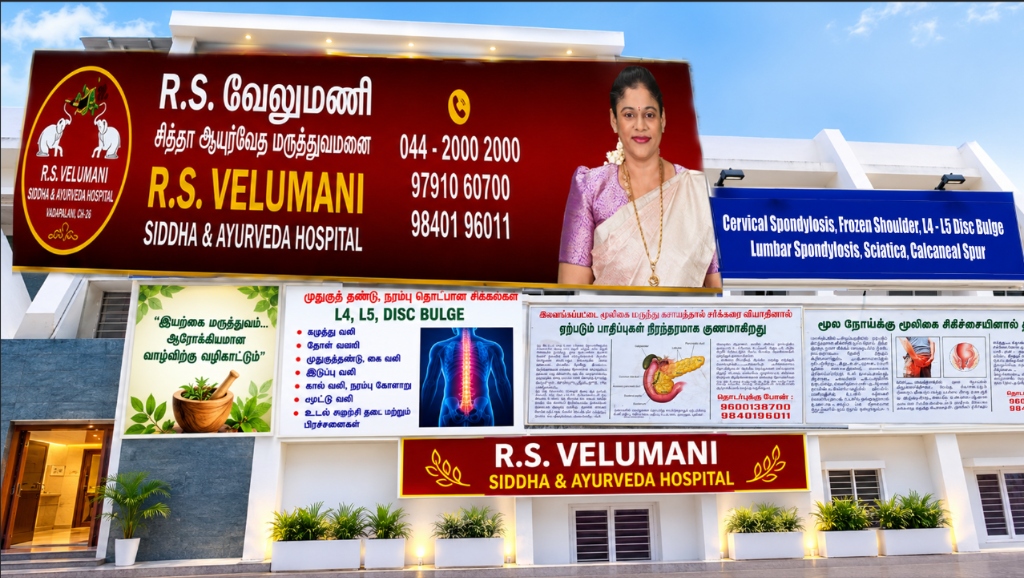
R S Velumani Siddha Ayurvedha Hospital is a fully equipped traditional hospital located in Vadapalani, Chennai. We provide daily outpatient consultations (OPD) and dedicated clinical therapy rooms for non-surgical healing.
Frequently Asked Questions
Doctor AnswersRelated Clinical Research & Recovery Guides
View All Articles →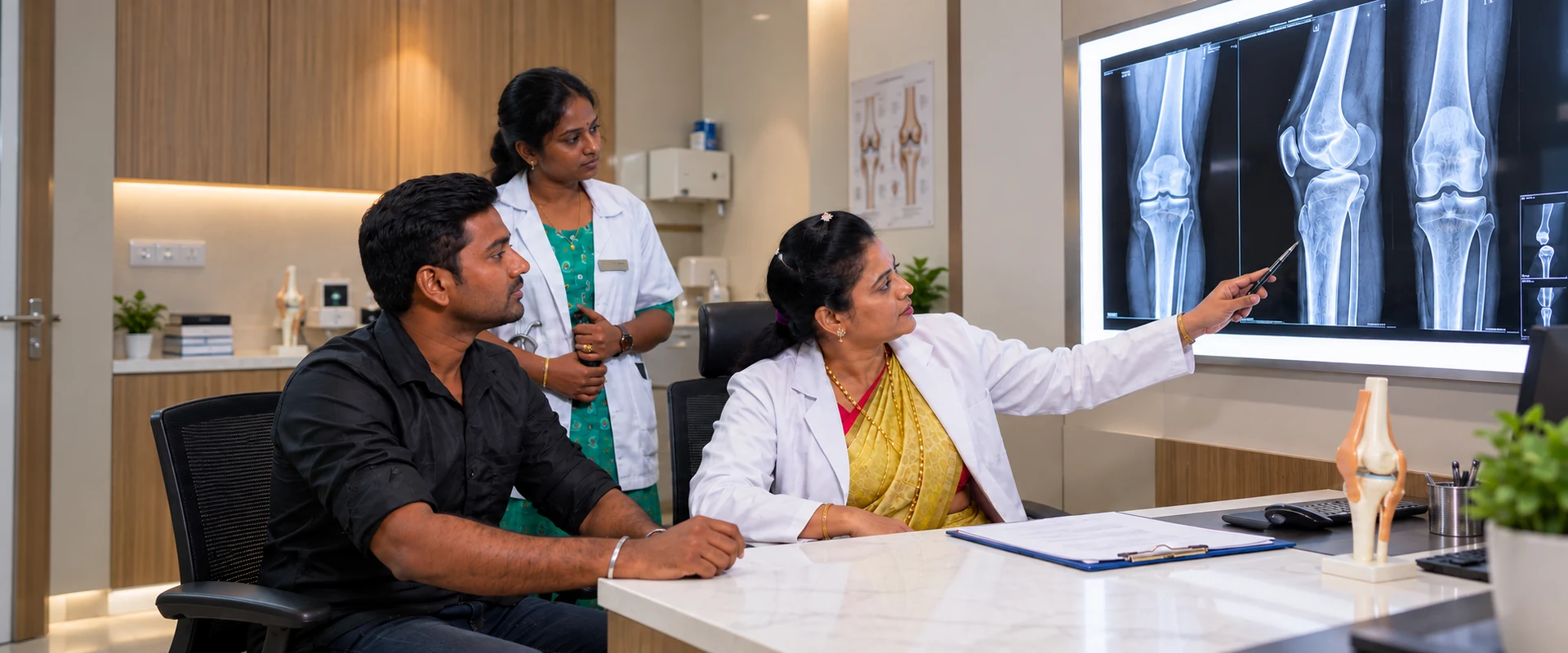
Book Doctor OPD Session
Direct clinical evaluation at R S Velumani Siddha Ayurvedha Hospital, Vadapalani, Chennai.
First Floor, Puttur Kattu Complex, 5, 100 Feet Road, Vadapalani, Chennai – 600026.