Chronic Sinusitis, Nasal Block & Headache Care
Authentic Siddha-Ayurvedic sinus drainage, Nasyam with Anu Tailam, facial herbal steam, and marma therapy to clear trapped mucus and frontal headaches permanently.
Clinical Understanding & Otorhinolaryngological Pathology
Chronic rhinosinusitis is a persistent inflammatory condition of the paranasal sinuses (frontal, maxillary, ethmoidal, and sphenoidal sinuses) and the nasal passages lasting longer than 12 weeks. Under normal conditions, the paranasal sinuses produce mucus that drains continuously into the nasal cavity through narrow ostia. When allergic inflammation, environmental pollutants, or recurrent infections swell the nasal mucosal lining, the ostia become obstructed. Anaerobic, stagnant mucus accumulates inside the sinus cavities, creating high negative and positive pressures that cause severe facial pain, periorbital pressure, throbbing frontal headaches, purulent post-nasal drip, anosmia (loss of smell), and chronic cough.
Root Cause in Siddha & Ayurveda (Peenasa, Dushta Pratishyaya & Shiroroga)
In Siddha and Ayurveda, sinusitis is diagnosed as Peenasa, Dushta Pratishyaya, or Kaphaja Shiroroga. The pathology stems from an accumulation and vitiation of Kapha and Vatha doshas in the head (Urdhva Jatrugata). Exposure to cold drafts, daytime sleep, cold water head baths, and weak digestive fire lead to excessive phlegmatic toxins (Ama) that lodge in the cranial sinus cavities (Shiras). Modern medicine offers antihistamines, nasal steroid sprays, and functional endoscopic sinus surgery (FESS); however, surgery merely enlarges the ostia mechanically, leaving the inflamed mucosal terrain intact, leading to frequent post-surgical recurrences.
Clinical Stages & Progressive Warning Signs
R S Velumani Siddha Ayurvedha Hospital Complete Sinus Protocol
Why Nasal Steroids & Sinus Surgery (FESS) are Avoided
Synthetic nasal steroid sprays thin the nasal mucosa and cause epistaxis (nosebleeds) and chronic dryness. FESS surgery carries risks of orbital injury and scar tissue formation. Our natural botanical therapies drain the sinuses naturally and rebuild local mucosal immunity.
Expected Recovery Timeline & Prognosis
- Days 1 - 3: Rapid, copious drainage of stagnant sinus mucus, immediate relief from agonizing frontal headaches and nasal stuffiness. - Days 4 - 10: Disappearance of facial pressure when bending down, cessation of morning sneezing bouts, and restored natural sense of smell. - Days 11 - 21: Complete clearance of all paranasal sinus cavities, healed nasal mucosal membranes, and seasonal resistance against cold air.
Common Symptoms Treated
Clinical IndicationsStructured 3-Phase Clinical Journey
Step-by-Step Hospital Protocol
Sinus Drainage & Headache Relief
Daily Nasyam with Anu Tailam and herbal facial steam to open blocked sinus ostia and induce copious drainage of trapped mucus.
Mucosal Decongestion & Varmam Healing
Facial Varmam stimulation and internal Vyoshadi formulations to heal inflamed sinus linings and restore the sense of smell.
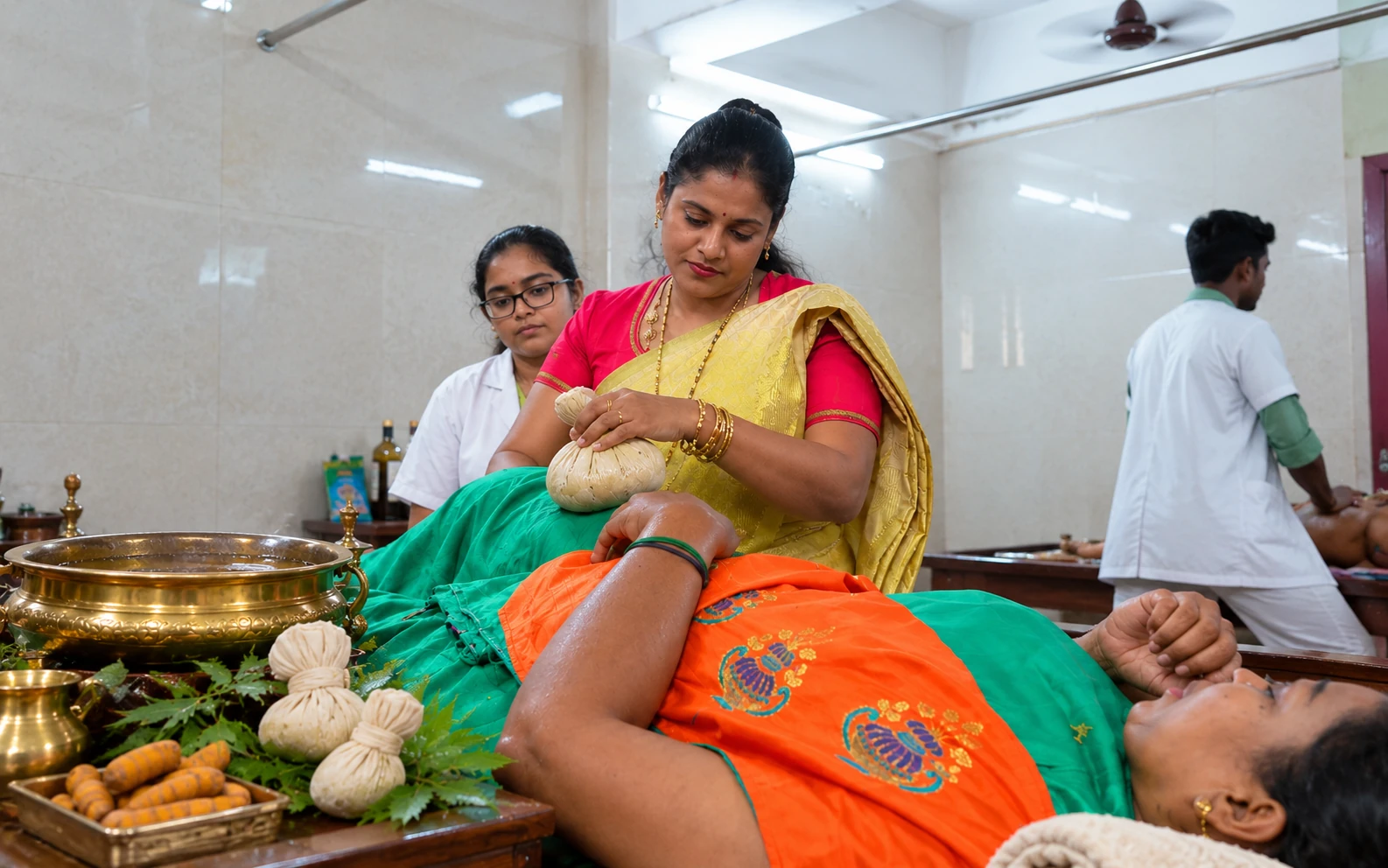
Immune Fortification & Recurrence Prevention
Agasthiyar Rasayanam and dietary guidance to build permanent respiratory defense against seasonal allergy triggers.
Integrated Traditional Therapies
Hospital Procedures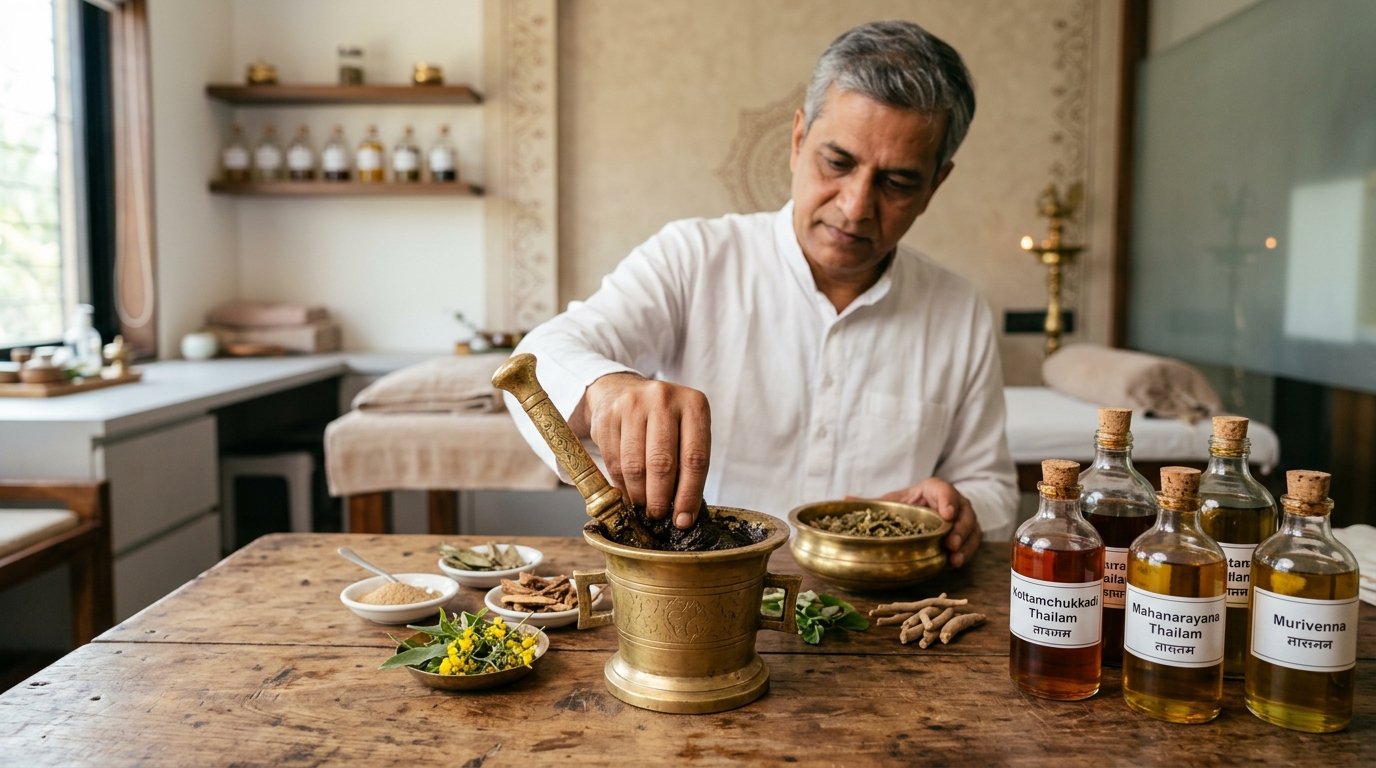
Ayurvedic & Siddha Dietary Guidelines (Pathya & Apathya)
Nutritional Medicine- •Warm boiled water with a pinch of dry ginger (Sukku) or tulsi leaves
- •Hot rasam prepared with generous amounts of black pepper, garlic, and cumin
- •Light cooked foods like barley khichdi, moong dal soup, and steamed vegetables
- •Warm herbal teas infused with fresh holy basil (Tulsi), ginger, and black pepper
- •Steamed red rice consumed warm with a drop of cow's ghee
- •Refrigerated foods, cold carbonated drinks, ice creams, and chilled water
- •Heavy dairy products at night, especially cold milk, curd, and thick cheese
- •Mucus-promoting fruits like bananas, custard apples, and chilled watermelons
- •Direct exposure to cold night winds, damp drafts, and artificial air conditioning
- •Head baths with cold water, particularly during evening or night hours
Hospital Infrastructure & Clinical Facility
Vadapalani, Chennai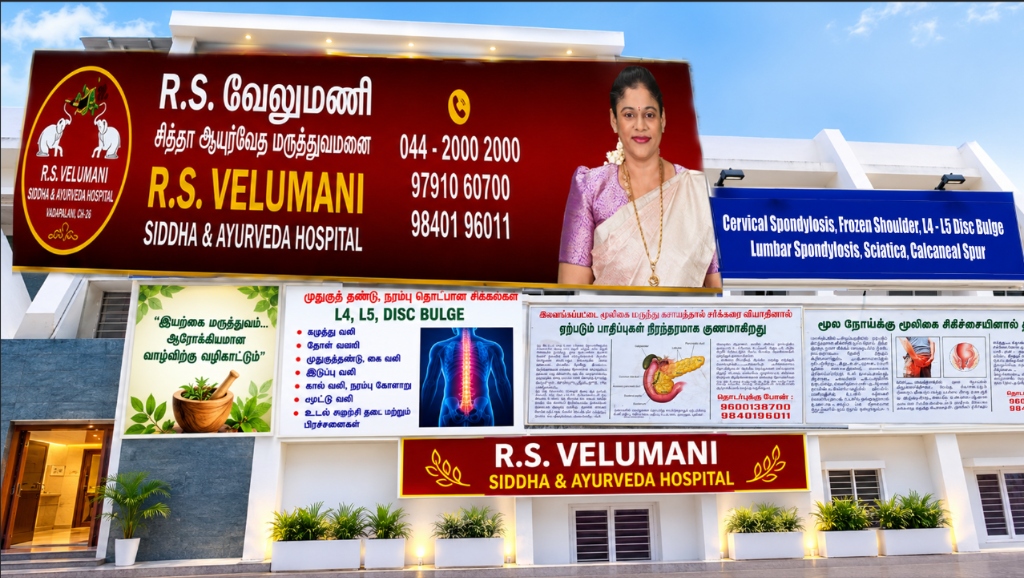
R S Velumani Siddha Ayurvedha Hospital is a fully equipped traditional hospital located in Vadapalani, Chennai. We provide daily outpatient consultations (OPD) and dedicated clinical therapy rooms for non-surgical healing.
Frequently Asked Questions
Doctor Answers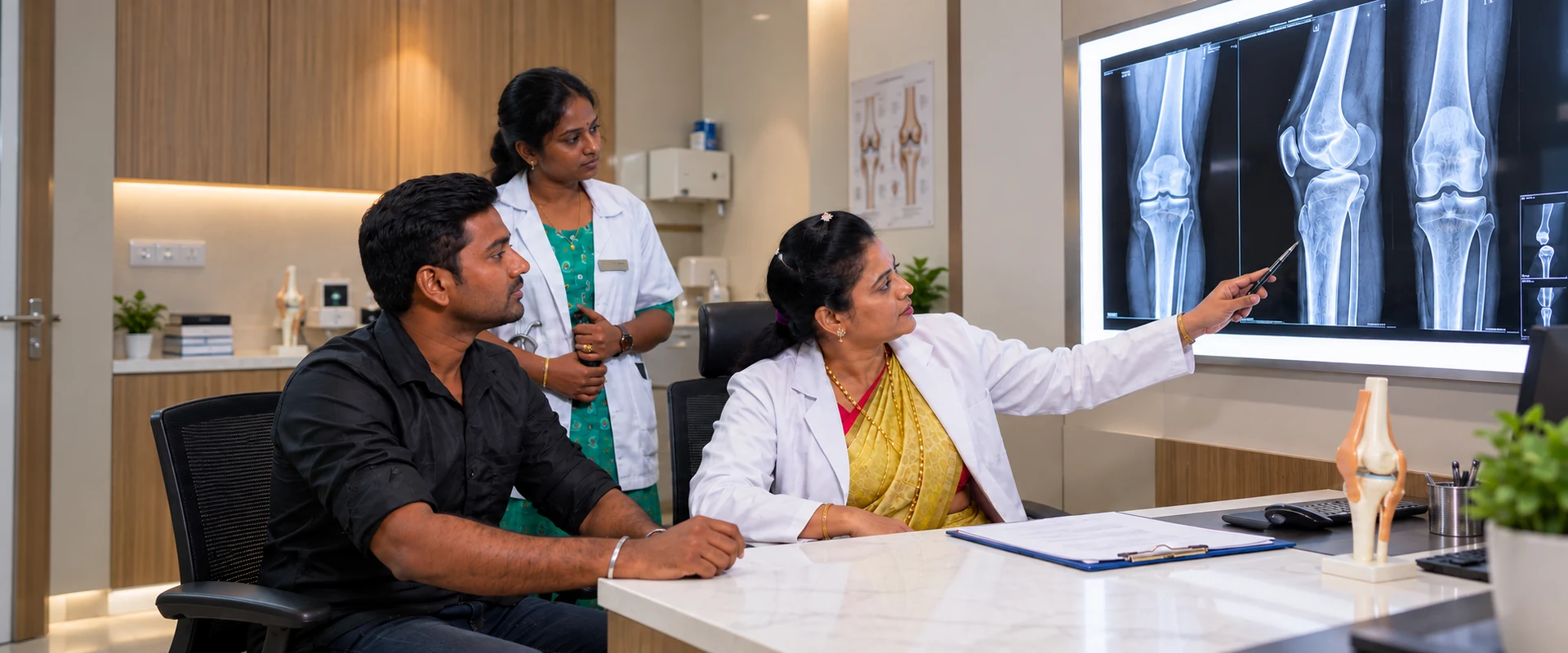
Book Doctor OPD Session
Direct clinical evaluation at R S Velumani Siddha Ayurvedha Hospital, Vadapalani, Chennai.
First Floor, Puttur Kattu Complex, 5, 100 Feet Road, Vadapalani, Chennai – 600026.