Hypothyroidism & Hyperthyroidism Herbal Balance
Restoring thyroid gland vitality, balancing TSH, T3, and T4 naturally, alleviating fatigue, brain fog, and weight gain with Kanchnar and Guggulu protocols.
Clinical Understanding & Endocrine Pathology
The thyroid gland, located anterior to the trachea in the neck, synthesizes thyroxine (T4) and triiodothyronine (T3), crucial regulators of basal metabolic rate, thermogenesis, and cellular protein synthesis. In hypothyroidism (the most prevalent form, frequently autoimmune Hashimoto's thyroiditis), the gland produces inadequate hormone levels, leading to high TSH, generalized cellular sluggishness, severe metabolic slowdown, fluid retention, hypercholesterolemia, and depression. Conversely, hyperthyroidism drives hyper-metabolism, palpitations, heat intolerance, and rapid muscle wasting.
Root Cause in Siddha & Ayurveda (Galaganda & Dhatvagni Mandya)
Ayurveda and Siddha classify thyroid enlargement and dysfunction under Galaganda and Gandamala, rooted in Medovaha Sroto Dusti and impaired Dhatvagni (cellular metabolic fire). Aggravated Kapha dosha, combined with vitiated Vatha, causes dense lymphatic congestion in the neck region (Kantha pradesha), suffocating the gland's innate microvascular circulation. Modern endocrinology treats hypothyroidism merely by prescribing synthetic levothyroxine indefinitely; this synthetic supply signals the pituitary to further downregulate the patient's own thyroid gland, causing the natural gland to become increasingly atrophied over time.
Clinical Stages & Progressive Warning Signs
R S Velumani Siddha Ayurvedha Hospital Complete Thyroid Protocol
Why Lifelong Synthetic Hormone Dependency is Flawed
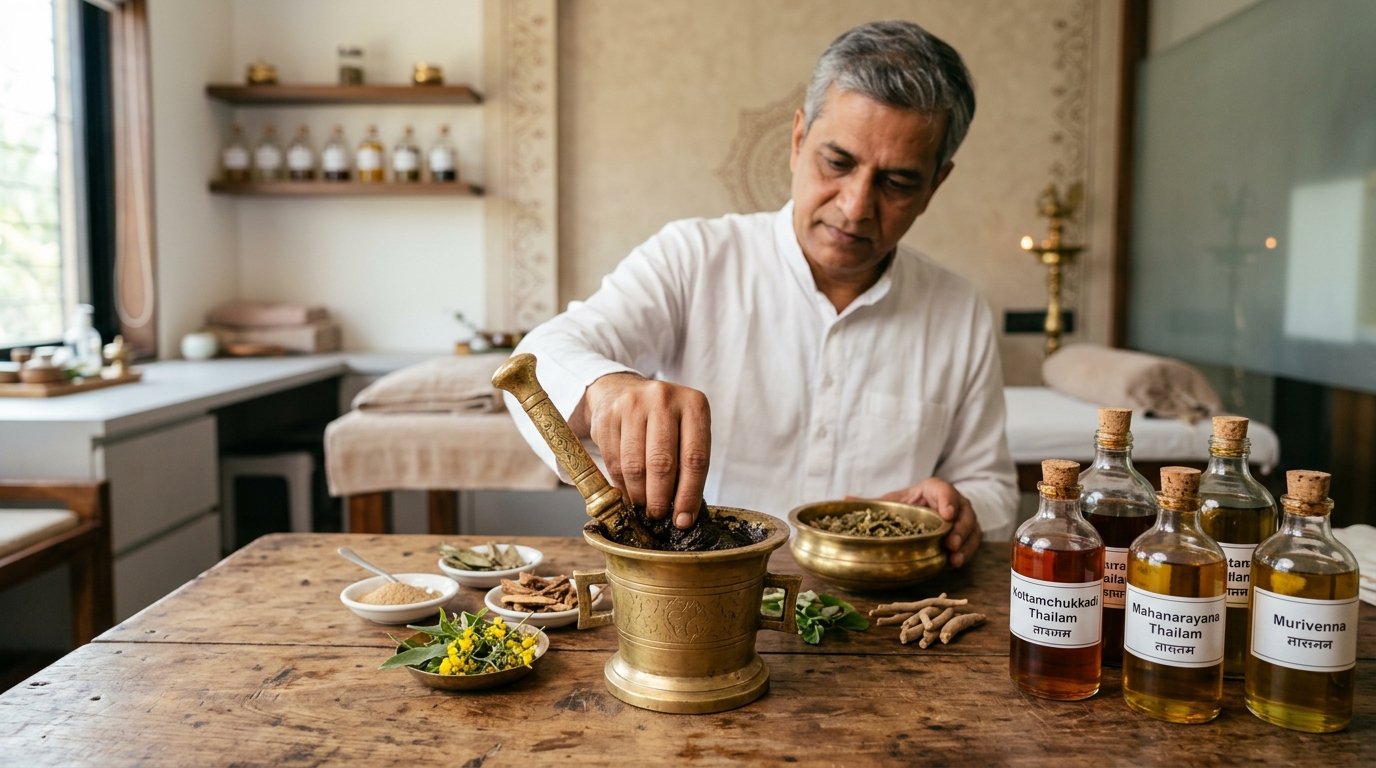
Taking synthetic levothyroxine simply replaces hormone output without repairing the thyroid gland itself. Patients often complain that their blood reports look 'normal' while they still suffer from exhaustion, weight gain, and hair loss. R S Velumani Siddha Ayurvedha Hospital's botanical therapy restores the gland's endogenous hormone production, enabling patients to reduce and often eliminate synthetic pill dependency.
Expected Recovery Timeline & Prognosis
- Weeks 1 - 3: Substantial boost in daily energy levels, clearance of morning brain fog, reduction in facial puffiness, and improved bowel regularity. - Weeks 4 - 8: Measurable drop in TSH levels, natural metabolic weight reduction, stabilization of body temperature, and reduced hair shedding. - Month 3 Onwards: Sustained normal TSH, T3, and T4 levels with doctor-guided tapering of synthetic levothyroxine.
Common Symptoms Treated
Clinical IndicationsStructured 3-Phase Clinical Journey
Step-by-Step Hospital Protocol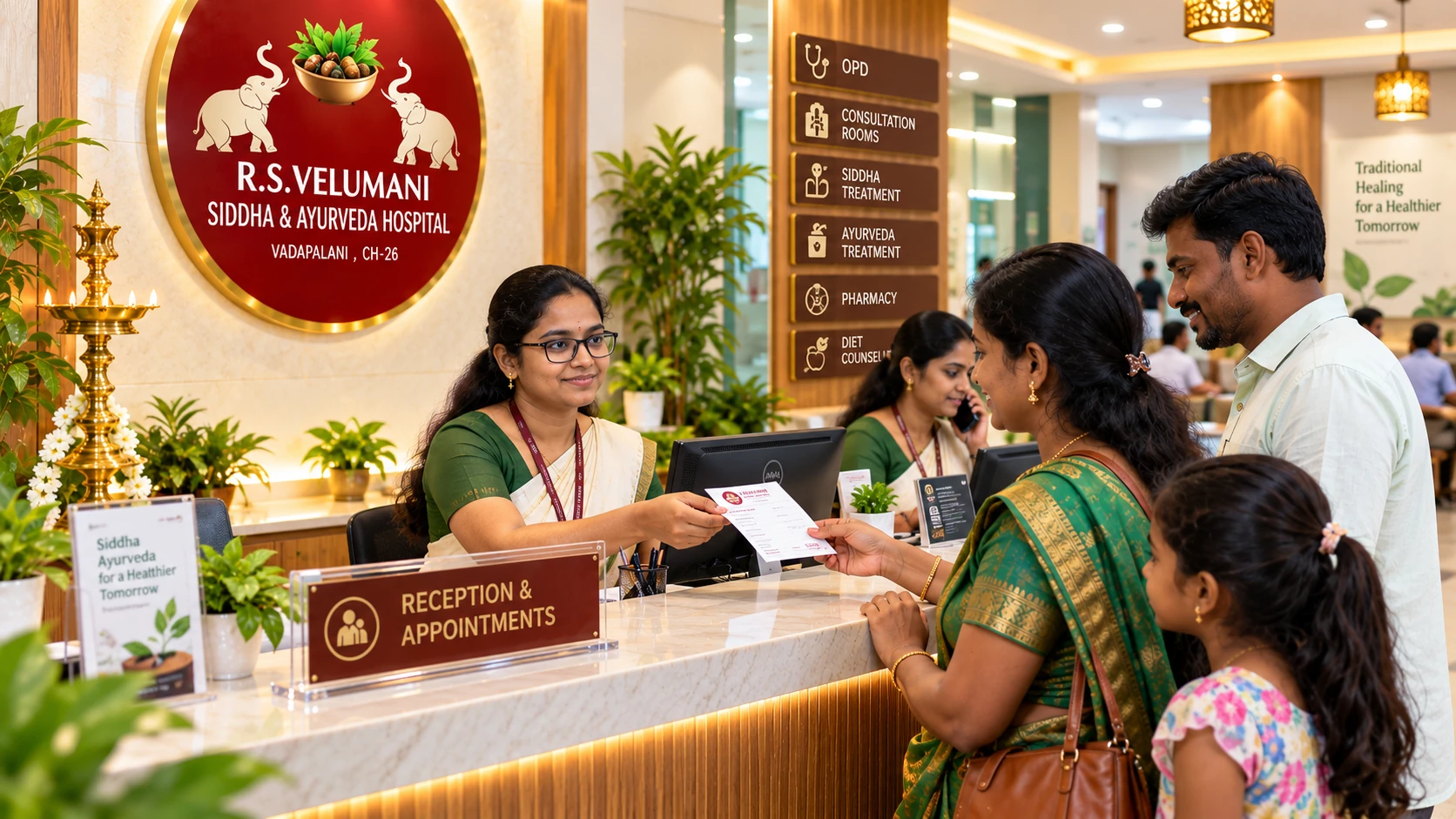
Lymphatic Cleansing & Glandular Decongestion
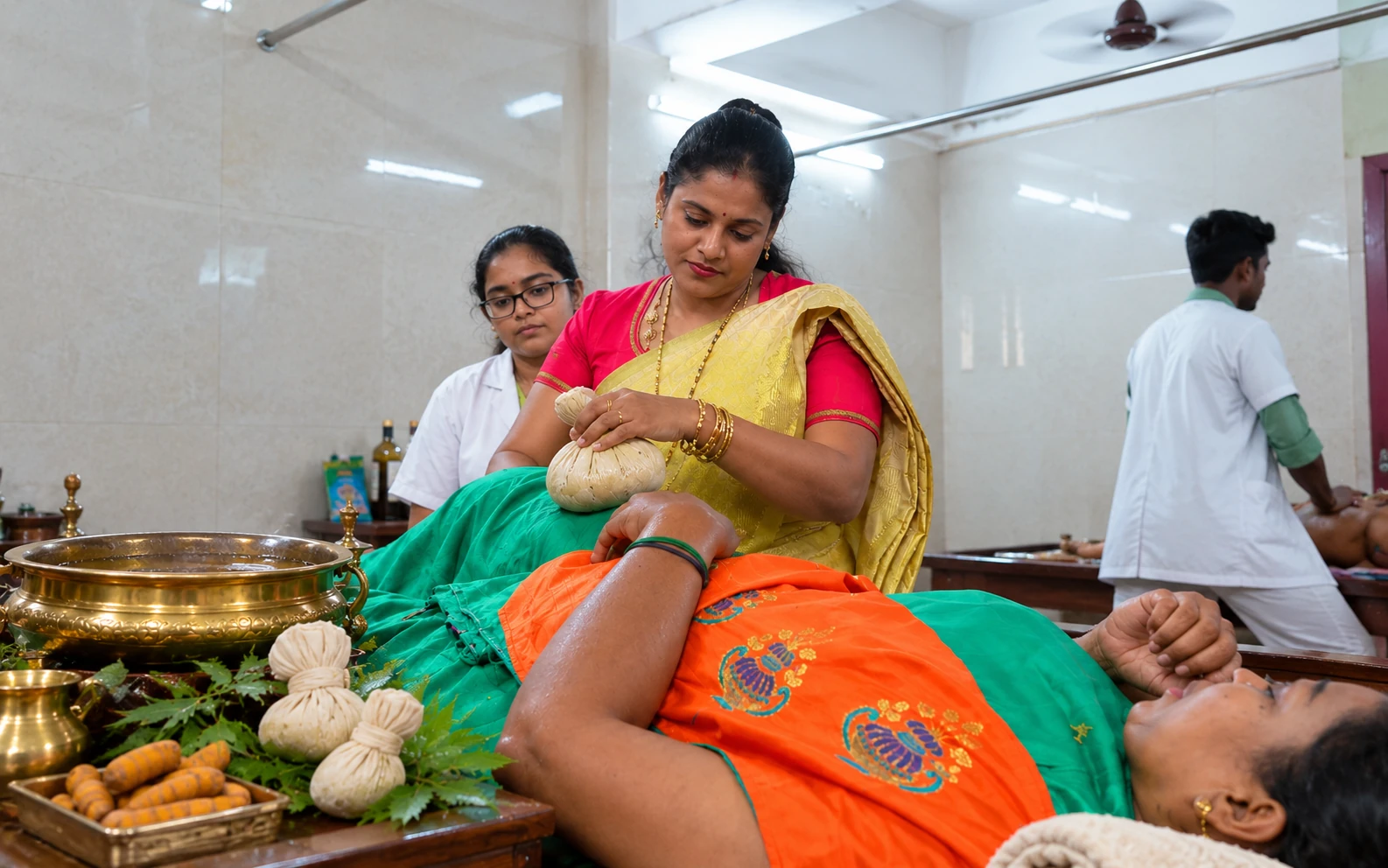
Administering Kanchnar Guggulu and cervical warm poultices to decongest the thyroid gland and alleviate morning lethargy.

Dhatvagni Awakening & T4 to T3 Conversion
Utilizing Varunadi Kashayam and Pippali Rasayana to accelerate cellular metabolism, mobilize fluid retention, and lower TSH.
Endocrine Axis Harmonization & Pill Tapering
Ashwagandha and Rasayana tonics to maintain self-sustaining thyroid function while gradually tapering synthetic hormone doses.
Integrated Traditional Therapies
Hospital ProceduresAyurvedic & Siddha Dietary Guidelines (Pathya & Apathya)
Nutritional Medicine- •Warm cooked foods seasoned with cumin, black pepper, ginger, and turmeric
- •Naturally mineral-rich foods including soaked pumpkin seeds, walnuts, and coconut
- •Cooked bottle gourd, ridge gourd, ash gourd, and freshly grated amla
- •Warm coriander seed water consumed first thing every morning
- •Small portions of easily digestible moong dal soup and steamed red rice
- •Raw cruciferous vegetables (raw cabbage, cauliflower, broccoli, and kale)
- •Unfermented soy products like tofu, soy milk, and isolated soy protein
- •Refined white sugar, bakery cakes, pastries, and processed foods with trans fats
- •Refrigerated foods, cold icy drinks, and excessive heavy curd at night
- •Chronic unmanaged mental stress and irregular sleep routines
Hospital Infrastructure & Clinical Facility
Vadapalani, Chennai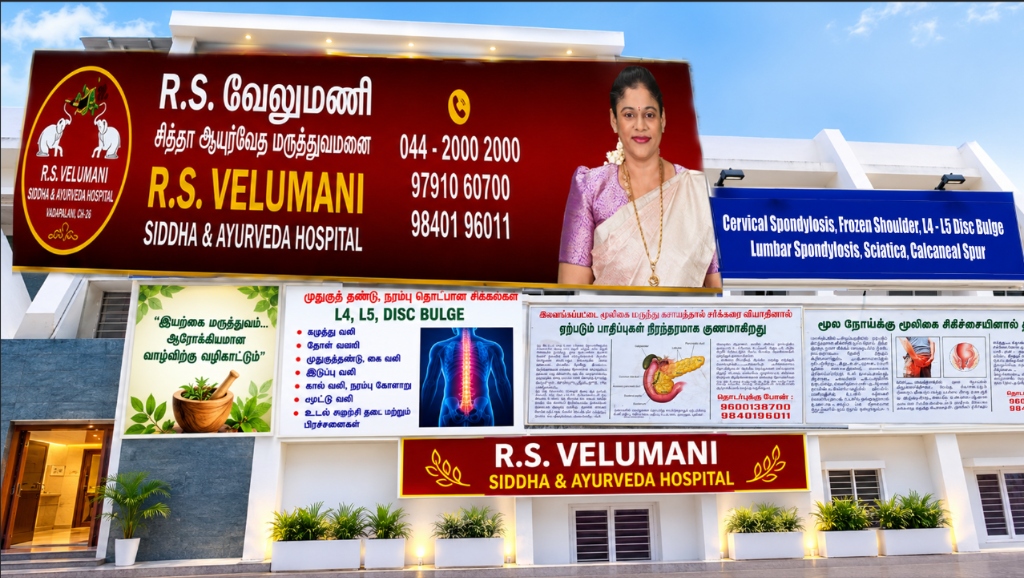
R S Velumani Siddha Ayurvedha Hospital is a fully equipped traditional hospital located in Vadapalani, Chennai. We provide daily outpatient consultations (OPD) and dedicated clinical therapy rooms for non-surgical healing.
Frequently Asked Questions
Doctor Answers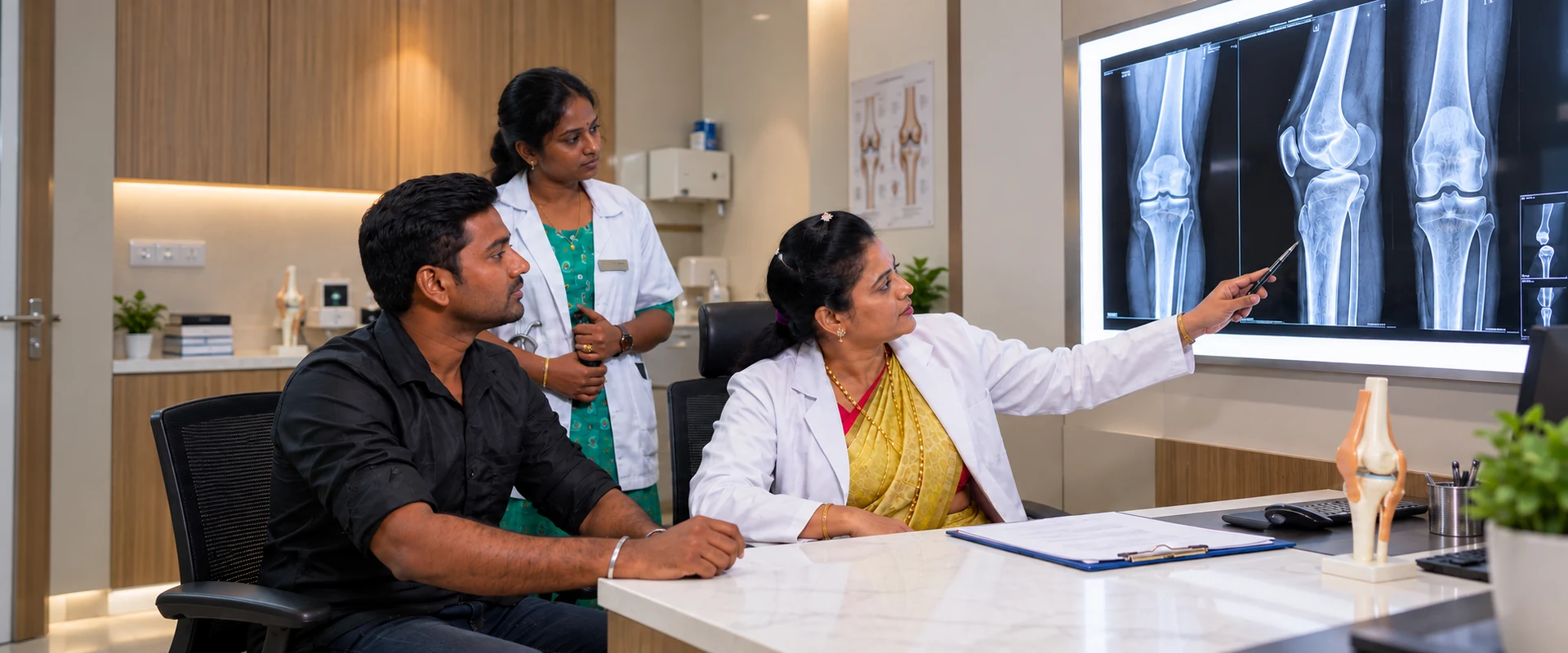
Book Doctor OPD Session
Direct clinical evaluation at R S Velumani Siddha Ayurvedha Hospital, Vadapalani, Chennai.
First Floor, Puttur Kattu Complex, 5, 100 Feet Road, Vadapalani, Chennai – 600026.