Peptic, Gastric & Duodenal Ulcer Herbal Healing
Rapid mucosal healing of gastric and duodenal ulcers, Yashtimadhu (Licorice), Kamadudha Rasa, and cooling Shatavari Ghritam to eliminate burning chest pain.
Clinical Understanding & Gastrointestinal Ulcer Pathology
Peptic ulcer disease (PUD) encompasses localized mucosal erosions and deep craters penetrating the muscularis mucosae of the stomach (gastric ulcers) or the proximal duodenum (duodenal ulcers). Under healthy conditions, the gastrointestinal lining is protected by an impervious barrier of alkaline bicarbonate-rich mucus, mucosal blood flow, and prostaglandin synthesis. When this defense is overwhelmed by aggressive factors—predominantly Helicobacter pylori bacterial colonization, chronic NSAID painkiller use, or severe psychological stress—hydrochloric acid (HCl) and pepsin digest the stomach's own lining. This causes agonizing gnawing epigastric pain, severe retrosternal heartburn (GERD), acid regurgitation, nausea, and risks of dangerous internal hemorrhage or perforation.
Root Cause in Siddha & Ayurveda (Parinamasula, Annadravasula & Amlapitta)
In Ayurveda and Siddha medicine, peptic ulcers and severe gastritis are diagnosed as Parinamasula (pain during digestion, characteristic of duodenal ulcers), Annadravasula (pain immediately after eating, typical of gastric ulcers), and Urdhvaga Amlapitta (acid reflux). The fundamental pathology is fiercely aggravated Pitta dosha (specifically Pachaka Pitta acquiring an abnormally sour, burning, corrosive quality: Vidagdha Avastha). Sluggish digestion allows food to ferment, producing corrosive acid that strips the protective gastric mucus (Kledaka Kapha). Conventional proton-pump inhibitors (antacids like omeprazole, pantoprazole) merely chemically suppress acid, creating rebound hyperacidity and malabsorption of calcium, B12, and iron.
Clinical Stages & Progressive Warning Signs
R S Velumani Siddha Ayurvedha Hospital Complete Ulcer Healing Protocol
Why Lifelong Antacids (PPIs) are Dangerous
Chronic use of synthetic proton-pump inhibitors (PPIs) shuts down stomach acid entirely, causing chronic bacterial overgrowth (SIBO), kidney damage, and brittle bones. Our herbal protocol coats and heals the ulcer crater naturally while preserving healthy digestive enzyme function.
Expected Recovery Timeline & Prognosis
- Days 1 - 3: Immediate relief from agonizing epigastric burning, retrosternal chest fire, and nocturnal acid regurgitation. - Days 4 - 14: Rapid healing of mucosal erosions, elimination of sour belching and nausea, and ability to eat wholesome meals comfortably. - Days 15 - 30: Complete ulcer crater closure, restored protective mucus barrier, and freedom from all pharmaceutical antacid pills.
Common Symptoms Treated
Clinical IndicationsStructured 3-Phase Clinical Journey
Step-by-Step Hospital Protocol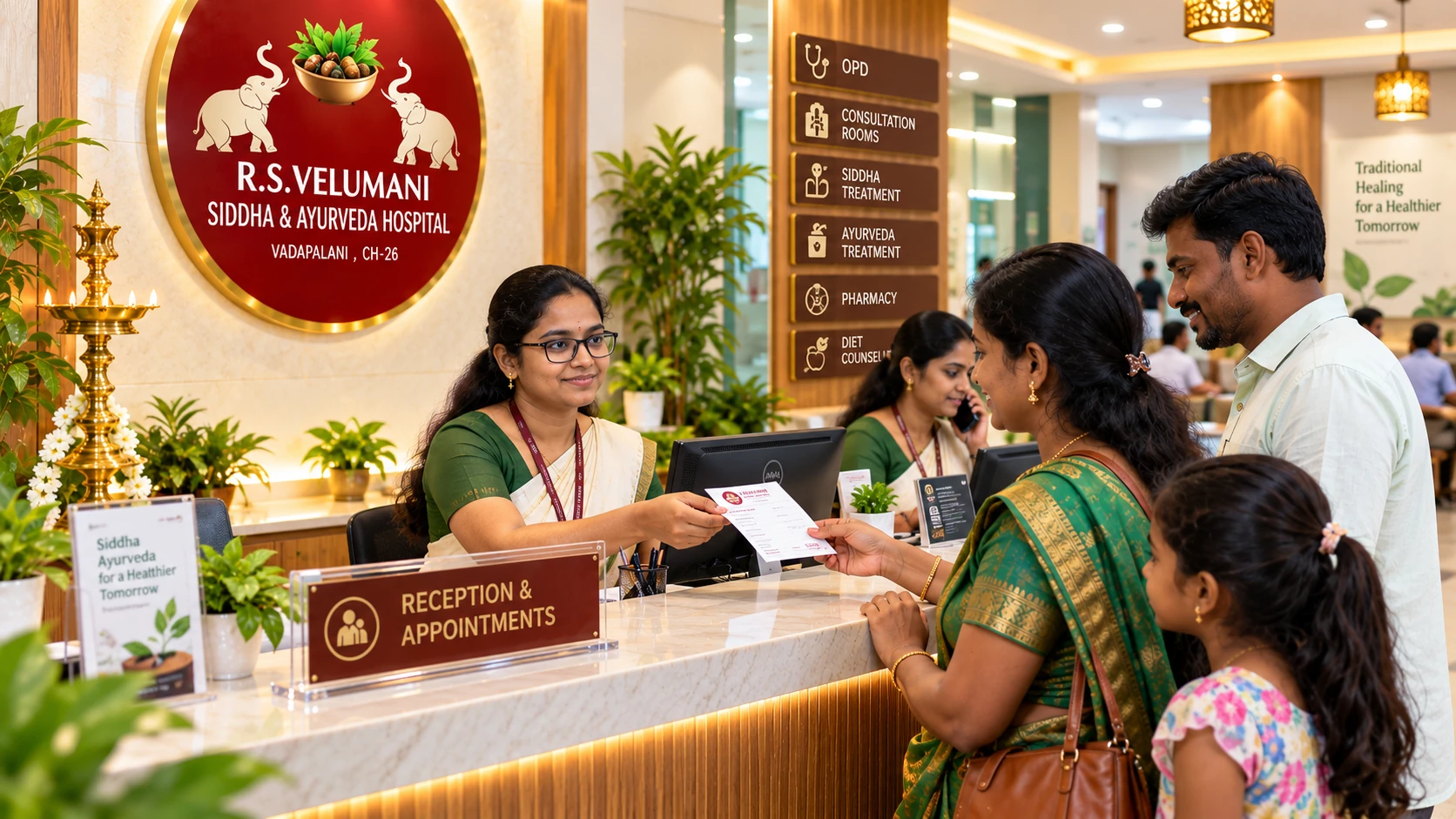
Acid Neutralization & Pain Extinction
Kamadudha Rasa and cooling Yashtimadhu infusions to immediately neutralize corrosive acid and extinguish retrosternal burning.

Ulcer Crater Coating & Mucosal Healing
Shatavari Ghritam and Sutshekhar Rasa to coat the exposed ulcer crater, stimulate healthy cell growth, and eliminate H. pylori.
Mucosal Barrier Fortification & Recurrence Prevention
Avipattikar and dietary lifestyle stabilization to permanently restore the stomach's protective mucus layer and prevent recurrence.
Integrated Traditional Therapies
Hospital Procedures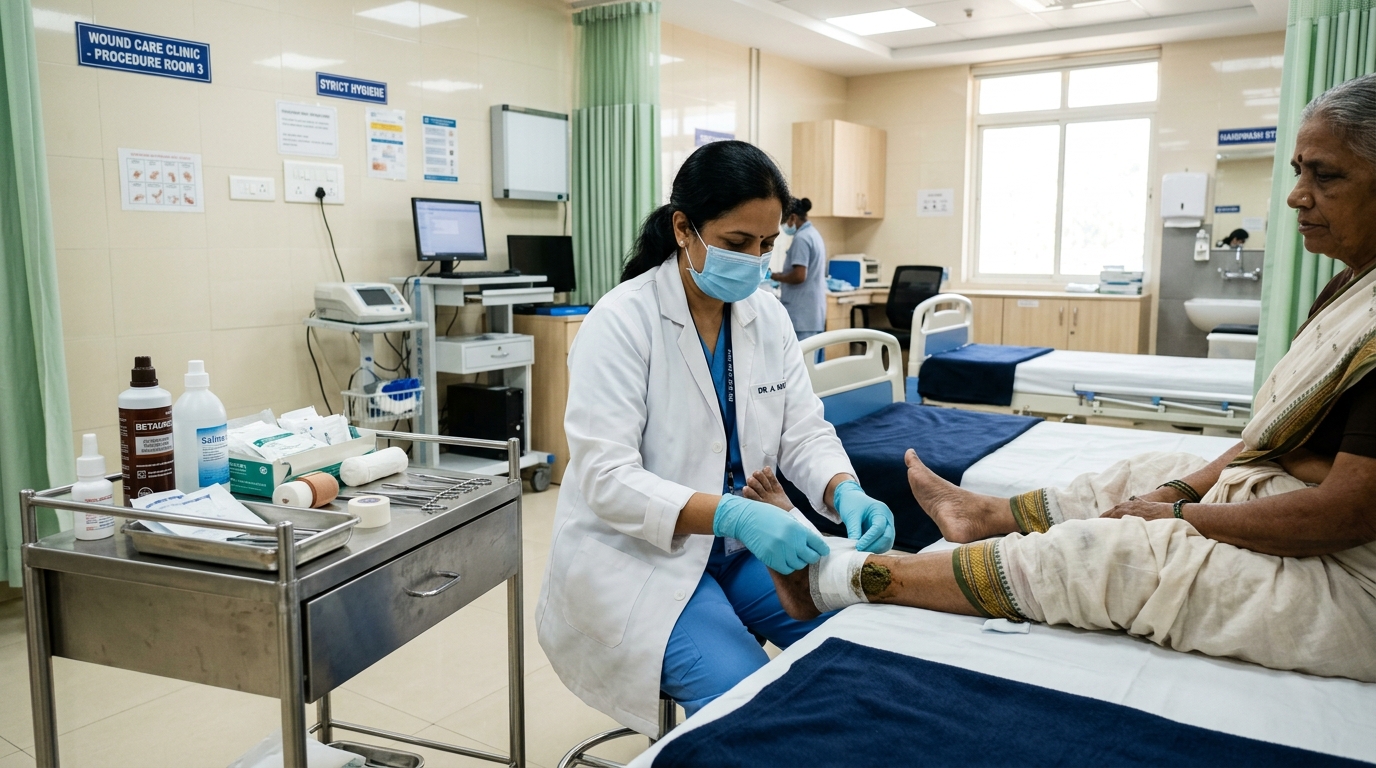
Ayurvedic & Siddha Dietary Guidelines (Pathya & Apathya)
Nutritional Medicine- •Fresh coconut water and tender coconut pulp (supreme natural cooling remedy for ulcers)
- •Cold boiled milk consumed in small sips during acute burning episodes
- •Cooked ash gourd, bottle gourd, ridge gourd, and steamed white barley khichdi
- •Fresh sweet pomegranate juice, sweet ripe bananas, and soaked black raisins
- •Soaked chia seeds or basil (Sabja) seeds in water to form a soothing mucosal gel
- •Extremely hot and spicy foods, red chili powder, green chilies, and black pepper
- •Sour and acidic foods like vinegar, tamarind, tomatoes, pickles, and citrus fruits
- •Strong caffeinated coffee, black tea, carbonated sodas, and alcoholic beverages
- •Deep-fried street foods, oily snacks, and smoking which directly erodes gastric mucosa
- •Skipping regular meals or keeping the stomach empty for prolonged fasting hours
Hospital Infrastructure & Clinical Facility
Vadapalani, Chennai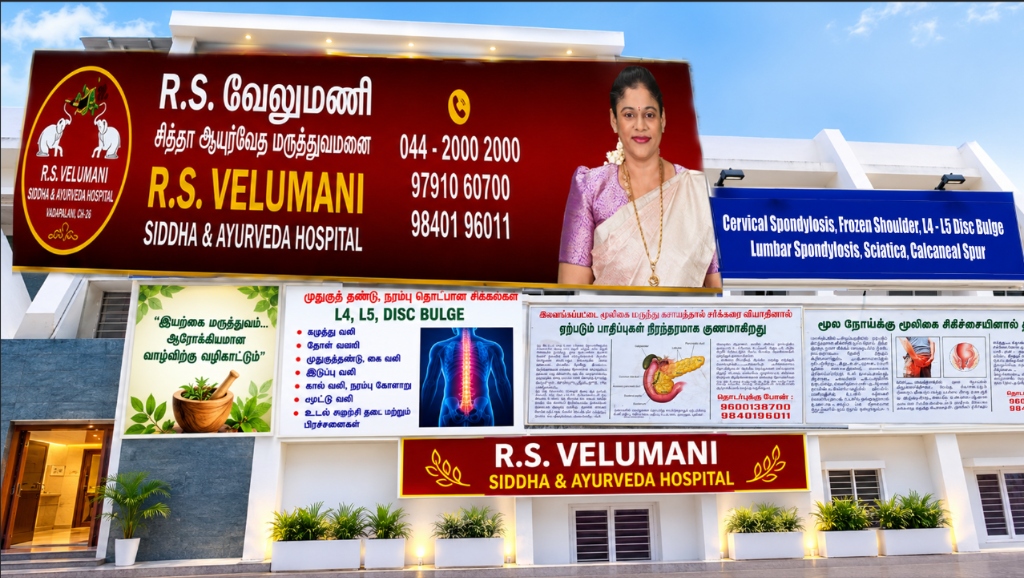
R S Velumani Siddha Ayurvedha Hospital is a fully equipped traditional hospital located in Vadapalani, Chennai. We provide daily outpatient consultations (OPD) and dedicated clinical therapy rooms for non-surgical healing.
Frequently Asked Questions
Doctor AnswersRelated Clinical Research & Recovery Guides
View All Articles →
Book Doctor OPD Session
Direct clinical evaluation at R S Velumani Siddha Ayurvedha Hospital, Vadapalani, Chennai.
First Floor, Puttur Kattu Complex, 5, 100 Feet Road, Vadapalani, Chennai – 600026.