Vertigo, Inner Ear Imbalance & Dizziness Care
Comprehensive neurological balance restoration, Shirodhara with Ksheerabala Taila, specialized cervical marma realignment, and herbal neuro-tonics for lasting vertigo relief.
Clinical Understanding & Vestibular Pathology
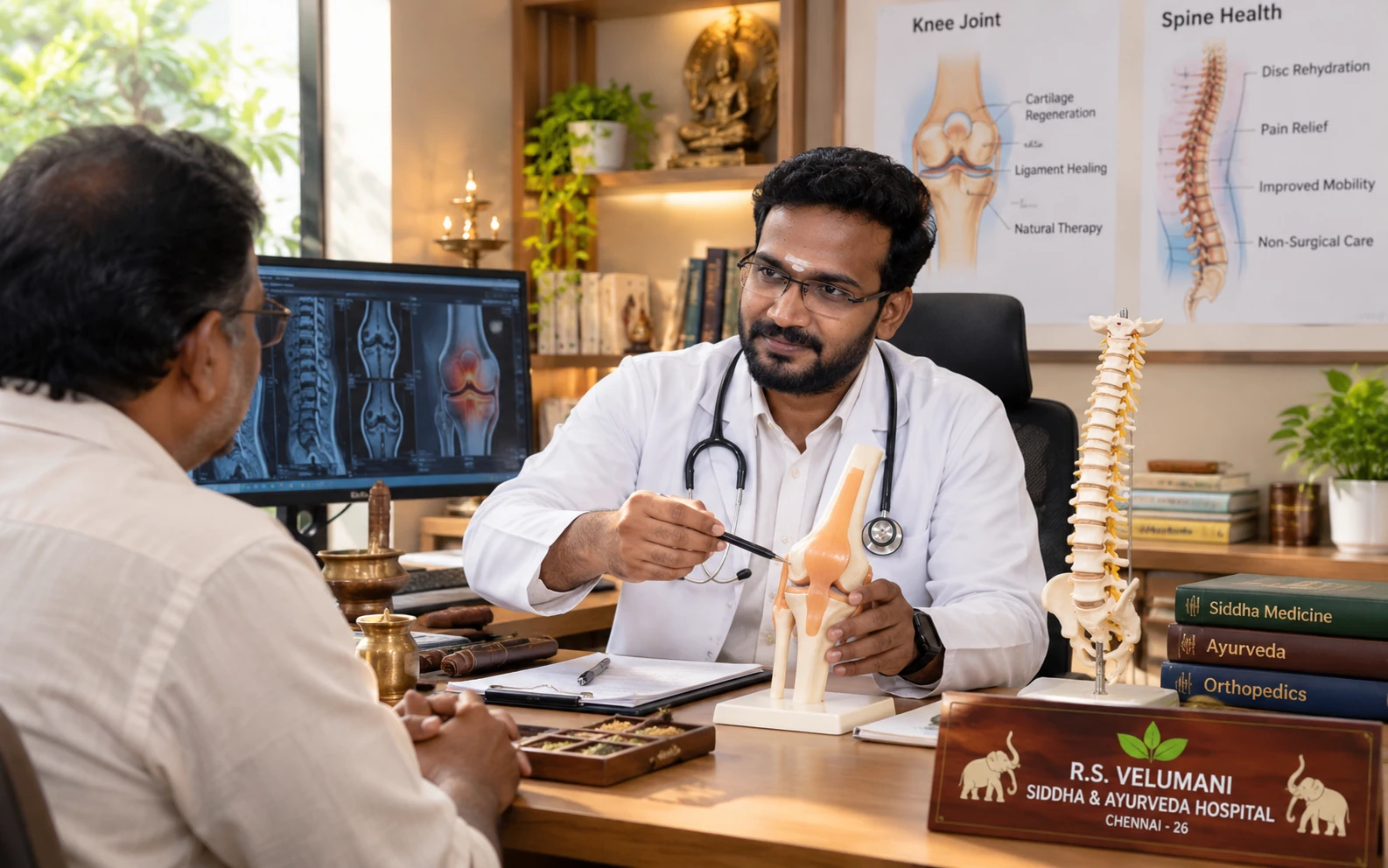
Vertigo is a sensation of illusory rotational or linear movement—either the patient feels they are spinning or their surroundings are spinning violently around them. Vertigo arises from peripheral vestibular dysfunction (such as Benign Paroxysmal Positional Vertigo [BPPV], where canalith particles dislodge into the semicircular canals, vestibular neuritis, or Meniere's disease caused by endolymphatic hydrops) or central vestibular pathology. A crucial, frequently overlooked cause is cervicogenic vertigo, where degenerative cervical spondylosis and neck muscle spasms compress the vertebral arteries, compromising blood supply to the inner ear and brainstem. Episodes are accompanied by postural instability, severe nausea, vomiting, tinnitus, and ear fullness.
Root Cause in Siddha & Ayurveda (Bhrama & Vatha-Pitta Dushti)
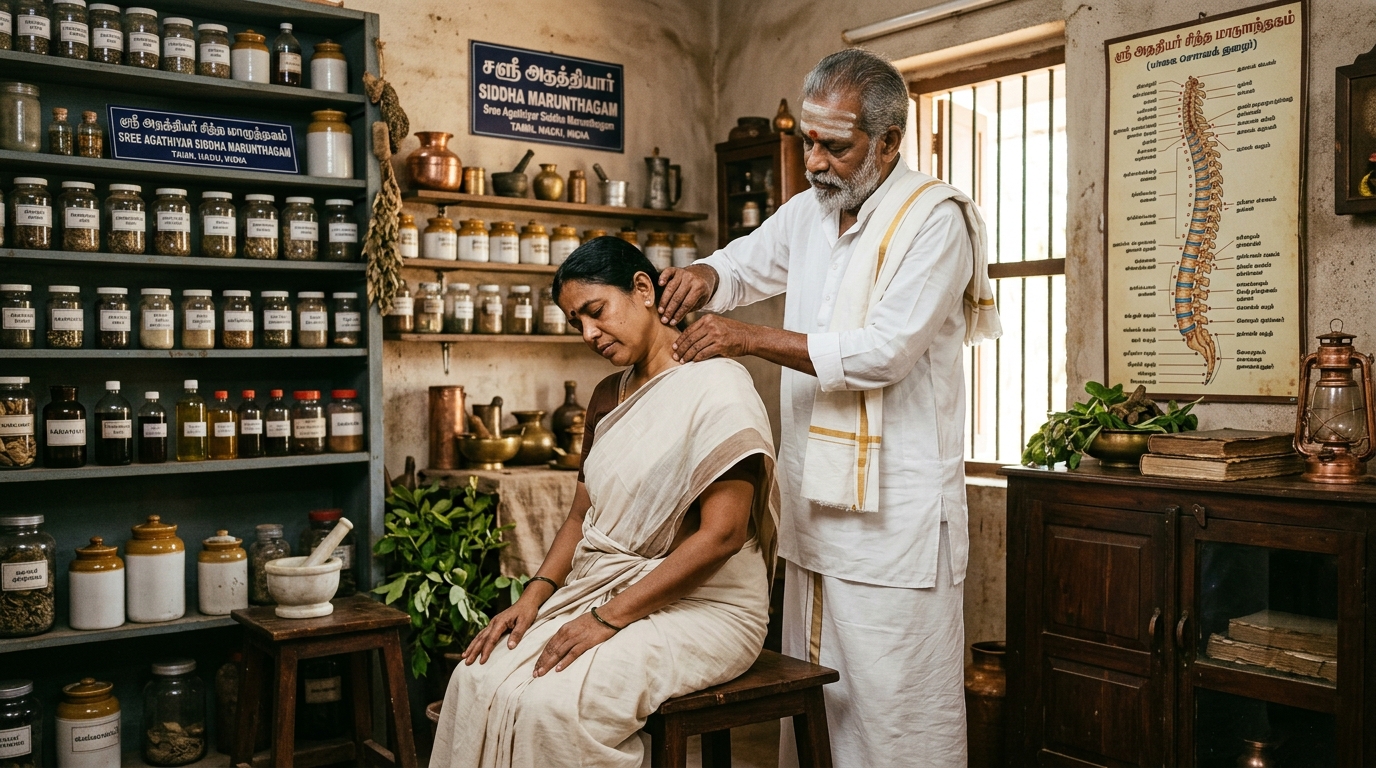
In Ayurveda and Siddha medicine, vertigo is diagnosed as Bhrama, classified primarily as an aggravated Vatha and Pitta dosha disorder affecting Majja Dhatu (nervous tissue) and Shiras (head). Aggravated Pitta produces internal heat and disorientation (Mohana), while Vatha causes instability and motion sensations (Chala Guna). When combined with cervical muscle tightness (Manyastambha), micro-vascular blood supply to the vestibular apparatus is choked. Conventional medicine routinely prescribes vestibular suppressants (betahistine, cinnarizine); however, these drugs merely sedate the central nervous system, creating severe daytime drowsiness without fixing the underlying cervical or inner-ear fluid imbalance.
Clinical Stages & Progressive Warning Signs
R S Velumani Siddha Ayurvedha Hospital Complete Vertigo Protocol
Why Vestibular Suppressants & Sedatives are Inadequate
Chemical labyrinthine sedatives numb the brain's balance centers, causing lethargy and dependency while failing to resolve canalith or cervical issues. Our traditional botanical therapies restore natural inner ear microcirculation and vestibular balance naturally.
Expected Recovery Timeline & Prognosis
- Days 1 - 3: Substantial reduction in the violent spinning sensation and immediate relief from nausea and vomiting. - Days 4 - 10: Disappearance of dizziness upon changing head postures or getting up from bed; regained walking balance. - Days 11 - 21: Complete resolution of ear fullness, substantial reduction in tinnitus, and fully restored confidence in head movement.
Common Symptoms Treated
Clinical IndicationsStructured 3-Phase Clinical Journey
Step-by-Step Hospital Protocol
Spinning Arrest & Nausea Elimination
Sutshekhar Rasa, gentle cervical Varmam, and Shirodhara to calm the vestibular nuclei and immediately halt violent spinning.
Inner Ear Decompression & Karna Poorana
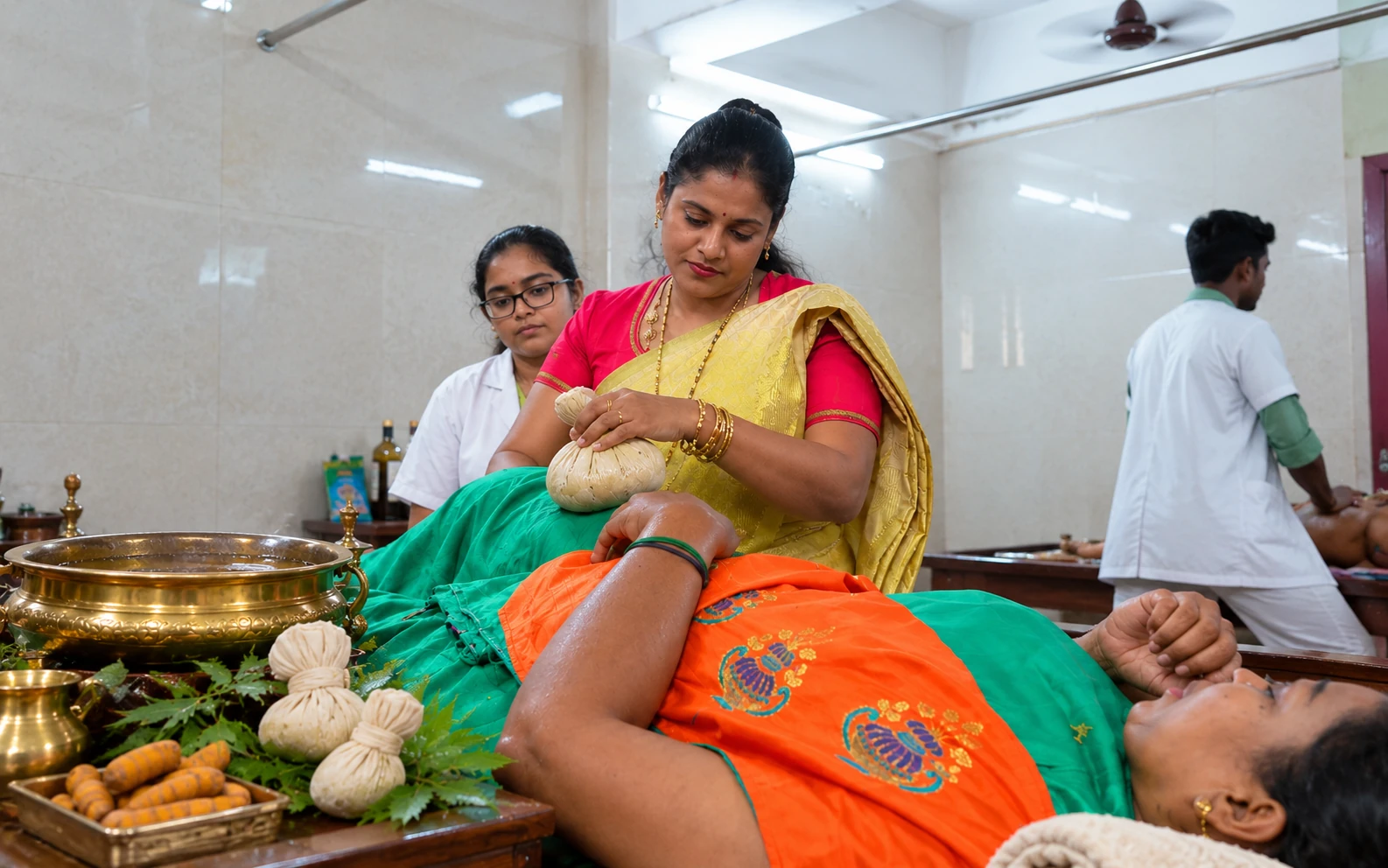
Medicated Karna Poorana ear drops and Greeva Vasti to balance endolymphatic pressure and improve vertebral artery blood flow.
Vestibular Re-education & Stability Locking
Saraswatarishta and balance rehabilitation exercises to permanently restore postural equilibrium and prevent recurring episodes.
Integrated Traditional Therapies
Hospital Procedures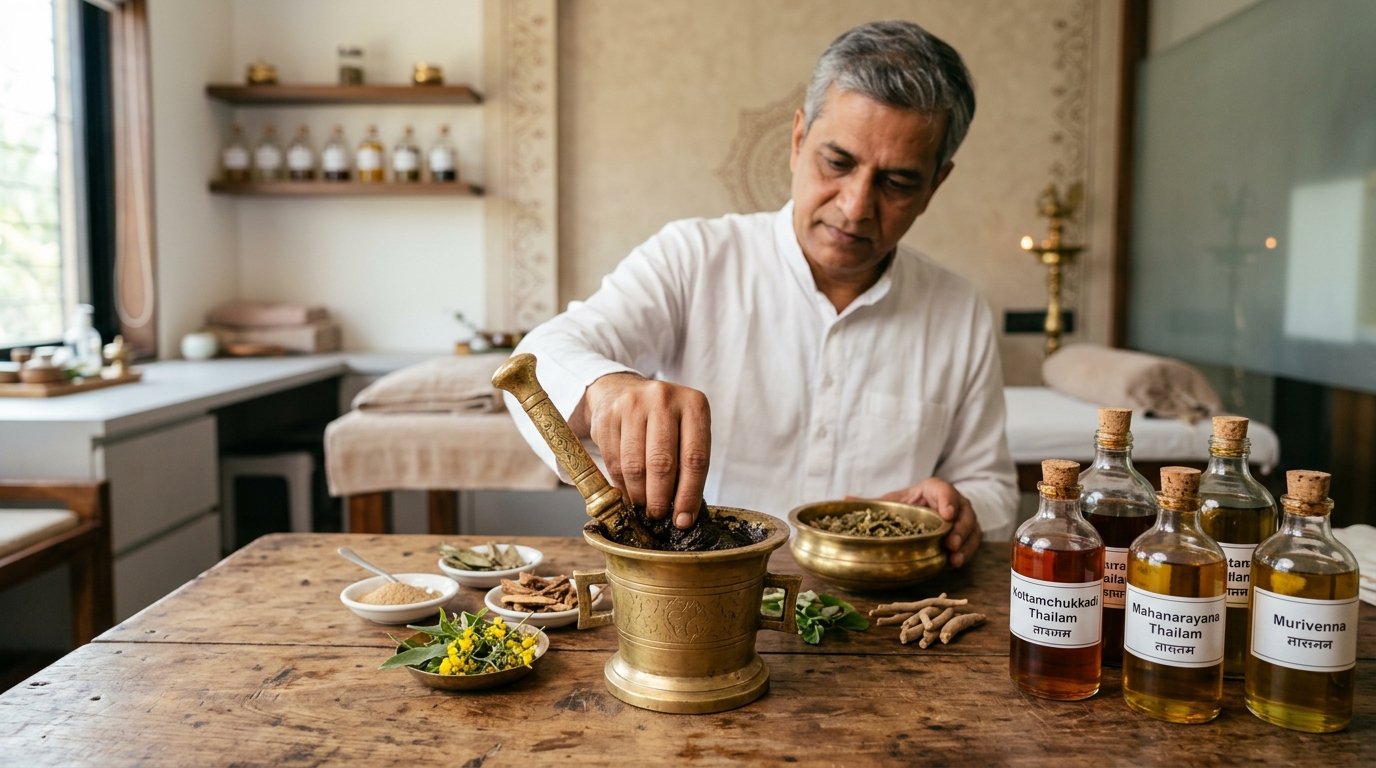
Ayurvedic & Siddha Dietary Guidelines (Pathya & Apathya)
Nutritional Medicine- •Cooling, easily digestible foods like moong dal khichdi, ash gourd soup, and barley water
- •Warm cow's milk infused with a pinch of cardamom and saffron at bedtime
- •Fresh sweet pomegranate, ripe sweet apples, and soaked black raisins
- •Ample lukewarm water consumed regularly throughout the day to maintain hydration
- •Fresh amla (Indian gooseberry) juice blended with a touch of pure honey
- •Excessive dietary salt, salty chips, pickles, and processed snacks (which worsen ear pressure)
- •Caffeinated beverages like strong coffee, tea, and commercial energy drinks
- •Alcoholic beverages and smoking which disrupt inner ear microvascular circulation
- •Extremely hot, pungent chilies and deep-fried oily foods that aggravate Pitta
- •Sudden violent jerking head movements and prolonged downward neck bending over phones
Hospital Infrastructure & Clinical Facility
Vadapalani, Chennai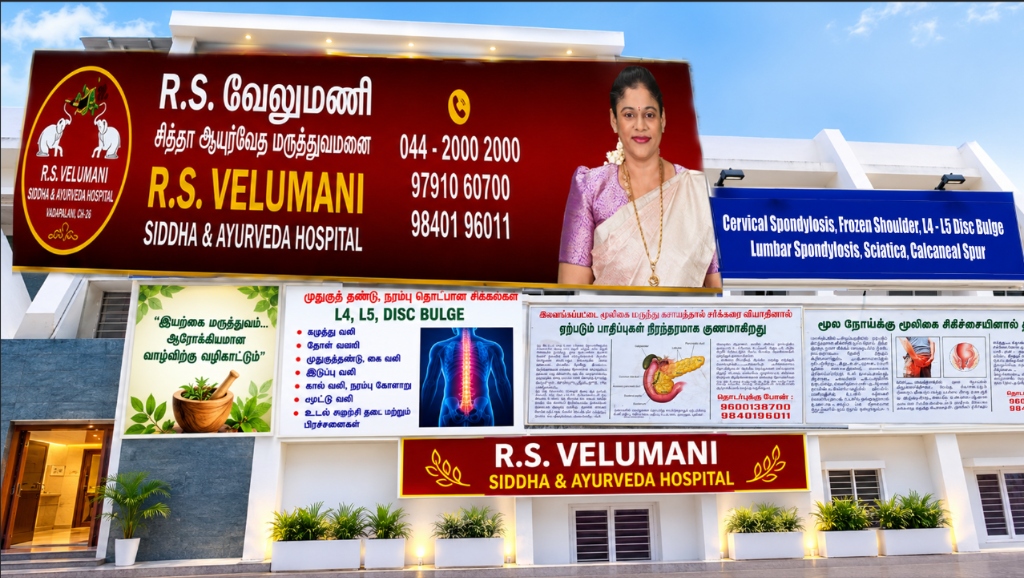
R S Velumani Siddha Ayurvedha Hospital is a fully equipped traditional hospital located in Vadapalani, Chennai. We provide daily outpatient consultations (OPD) and dedicated clinical therapy rooms for non-surgical healing.
Frequently Asked Questions
Doctor Answers
Book Doctor OPD Session
Direct clinical evaluation at R S Velumani Siddha Ayurvedha Hospital, Vadapalani, Chennai.
First Floor, Puttur Kattu Complex, 5, 100 Feet Road, Vadapalani, Chennai – 600026.